CM Samrat Choudhary Launches UPYOG Portal for Bihar's 264 Urban Bodies
Synopsis
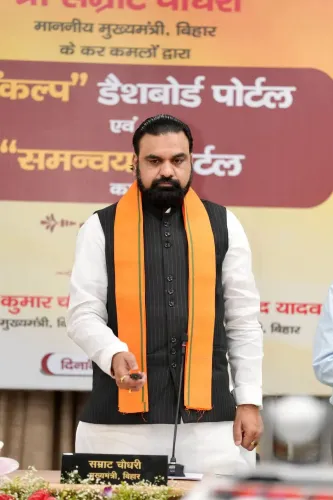
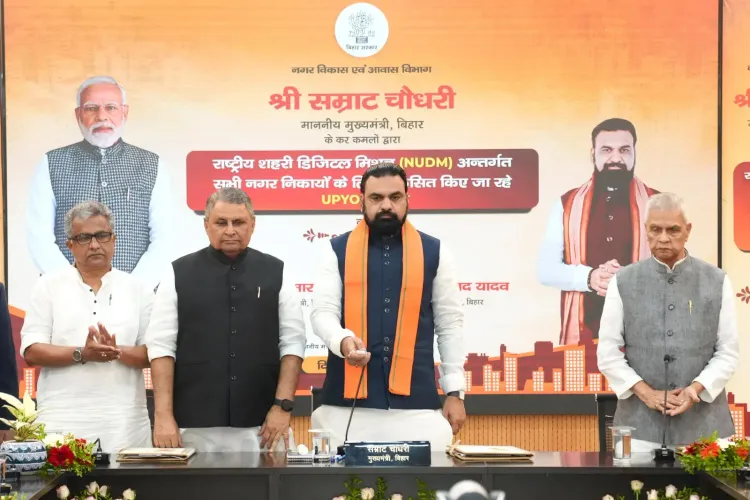
Bihar Chief Minister Samrat Choudhary launched the UPYOG portal on 31 October 2026 at Patna's Sankalp Sabhagar, aiming to digitise, simplify, and bring transparency to civic services across all 264 urban local bodies in the state.
Key Takeaways
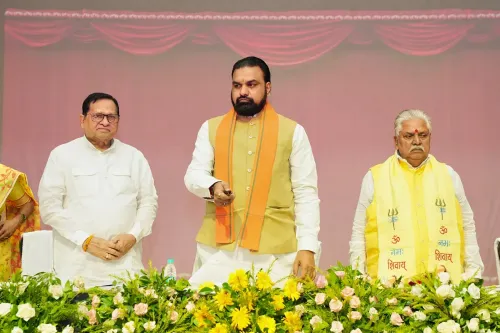
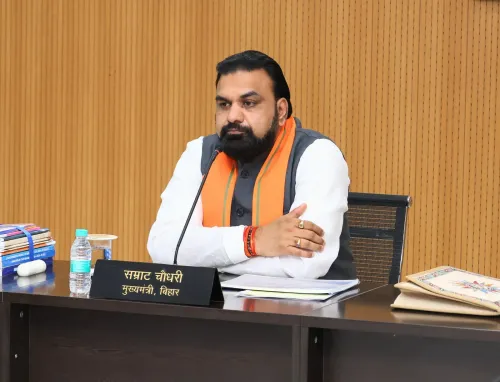
Bihar CM Samrat Choudhary inaugurated the UPYOG portal on 31 October 2026 at Sankalp Sabhagar, Lok Sewak Awas, Patna .
The portal is designed to make urban civic services digital, simple, and transparent across Bihar.
Coverage spans all 264 urban local bodies (nagar nikays) in the state.
The initiative aligns with the Government of India's Digital India programme launched in 2015 .
Potential integration with central schemes such as AMRUT and the Smart Cities Mission is a key development to watch.
Uniform rollout across all 264 bodies and measurable improvements in service delivery timelines will be the benchmark for success.
Bihar's urban governance just got a digital upgrade. Bihar Chief Minister Samrat Choudhary on Saturday, 31 October 2026 inaugurated the UPYOG portal at the Sankalp Sabhagar, Lok Sewak Awas in Patna — a platform designed to bring civic services across all 264 urban local bodies of the state onto a single, transparent digital interface.
Posting about the launch on X, Chief Minister Choudhary described it as 'shehri sevaon ko digital, saral evam pardarshi banane ki disha mein ek mahatvapurna pahal' — 'an important initiative towards making urban services digital, simple, and transparent' — covering every nagar nikay across Bihar.264 Municipalities, One Digital Window
Bihar has 264 urban local bodies — ranging from nagar panchayats to nagar nigams — that collectively serve millions of residents with services such as birth and death certificates, property tax, trade licences, and sanitation grievances. Historically, these services required physical visits, paper applications, and multiple rounds of follow-up. The UPYOG portal is positioned to consolidate that fragmented experience into a single digital channel.
The scale of the ambition is significant. Uniform rollout across 264 bodies in a state as geographically and administratively diverse as Bihar demands both technical infrastructure and staff retraining — two variables that will determine whether the portal delivers on its promise or remains a headline without traction on the ground.
Where UPYOG Fits in India's e-Governance Arc
The launch lands squarely within the broader trajectory set by the Digital India programme, launched by the Government of India in 2015, which made urban local body digitalisation a stated priority. Several states — from Andhra Pradesh to Madhya Pradesh — have rolled out municipal e-service portals in the years since, with varying degrees of citizen uptake. Bihar's move signals that the state is closing that gap, targeting its entire urban administrative network in a single initiative rather than piloting in select cities first.
Analysts tracking urban governance will also watch whether UPYOG integrates with centrally sponsored frameworks such as the AMRUT scheme or the Smart Cities Mission, both of which incentivise digital service delivery in urban India. That integration, if it materialises, could unlock additional central funding and technical support for Bihar's municipalities.
What Urban Residents and Municipal Staff Can Expect
For ordinary residents, the pitch is straightforward: fewer queues, faster turnaround, and a digital paper trail that makes it harder for service requests to disappear into bureaucratic limbo. For municipal staff, the portal introduces a layer of accountability — every application logged, every delay visible. The phased rollout across all 264 bodies will be the real test of whether that accountability translates into measurable improvement in service delivery timelines.
Bihar's urban population has grown steadily over the past decade, placing mounting pressure on civic infrastructure. A functional, scalable digital platform for municipal services is not a luxury — it is increasingly a baseline expectation for any government serious about urban quality of life.
The portal is live. The scoreboard starts now.
Point of View
A domain where the state has historically lagged behind peers. By targeting all 264 urban local bodies simultaneously rather than piloting in select cities, the Choudhary government is making a high-visibility bet on scale — one that raises the political stakes if implementation falters. The move fits neatly into the BJP's broader national narrative of technology-led governance, giving the Bihar leadership a concrete deliverable to point to ahead of any electoral cycle. The harder question — whether backend infrastructure and municipal staff capacity can match the portal's ambition — will define whether this is a genuine reform or a well-photographed ribbon-cutting.
NationPress
31 Oct 2026
Frequently Asked Questions
What is the UPYOG portal launched in Bihar?
The UPYOG portal is a digital platform launched by Bihar Chief Minister Samrat Choudhary to make urban civic services — such as certificates, tax payments, and grievance redressal — digital, simple, and transparent across all 264 urban local bodies in the state.
How many urban local bodies will the UPYOG portal cover in Bihar?
The UPYOG portal is intended to cover all 264 nagar nikays (urban local bodies) across Bihar, ranging from nagar panchayats to nagar nigams.
Where was the UPYOG portal launched and by whom?
Bihar Chief Minister Samrat Choudhary launched the UPYOG portal at the Sankalp Sabhagar, Lok Sewak Awas in Patna on 31 October 2026.
How does the UPYOG portal relate to the Digital India programme?
The UPYOG portal aligns with the Government of India's Digital India programme launched in 2015, which prioritised digital governance in urban local bodies and encouraged states to build e-service platforms for municipal administration.
What urban services are expected to be available on the UPYOG portal?
While specific features have not been officially detailed, the portal is positioned to streamline civic services typically handled by urban local bodies, including certificates, property tax, trade licences, and citizen grievances — making them accessible digitally.