CM Samrat Choudhary pays tribute to Ashfaqulla Khan on birth anniversary
Synopsis
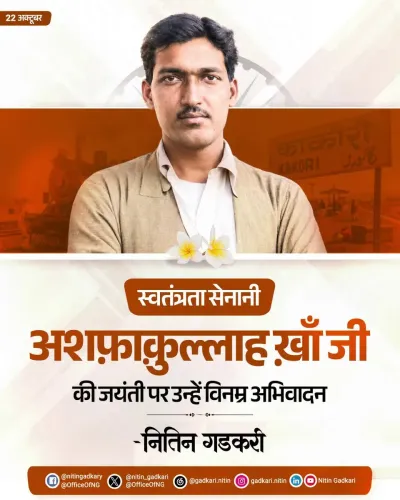
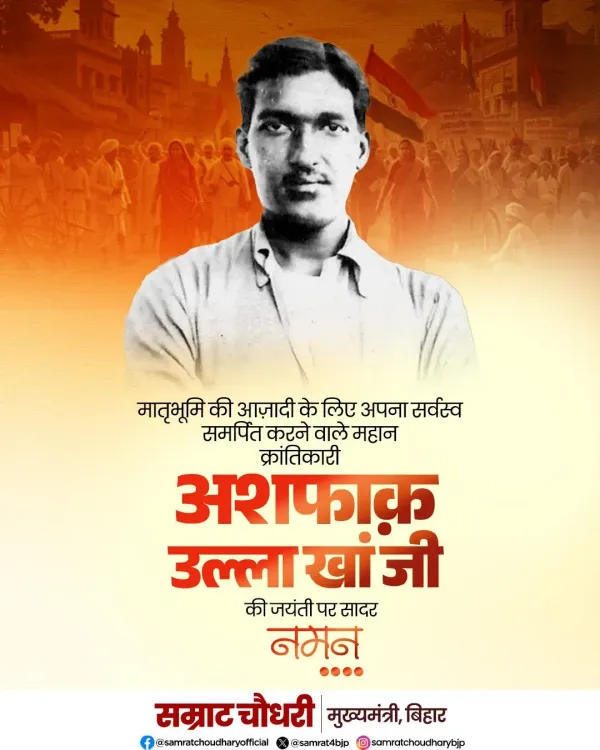
Bihar Chief Minister Samrat Choudhary marked the birth anniversary of revolutionary martyr Ashfaqulla Khan on 22 October 2026, honouring the Kakori hero's courage, patriotism, and supreme sacrifice for India's freedom.
Key Takeaways
Bihar CM Samrat Choudhary posted a tribute on X on 22 October 2026 to mark Ashfaqulla Khan's birth anniversary.
Ashfaqulla Khan was born on 22 October 1900 in Shahjahanpur , Uttar Pradesh.
He was a member of the Hindustan Republican Association and a key participant in the Kakori Train Action of 1925 .
Khan was executed on 19 December 1927 at Faizabad Jail , aged 27 .
CM Choudhary called his courage and sacrifice an enduring inspiration for future generations to serve the nation.
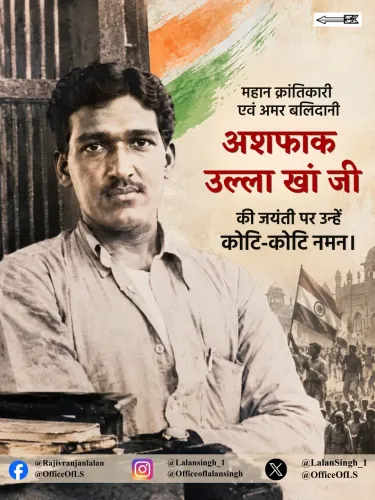
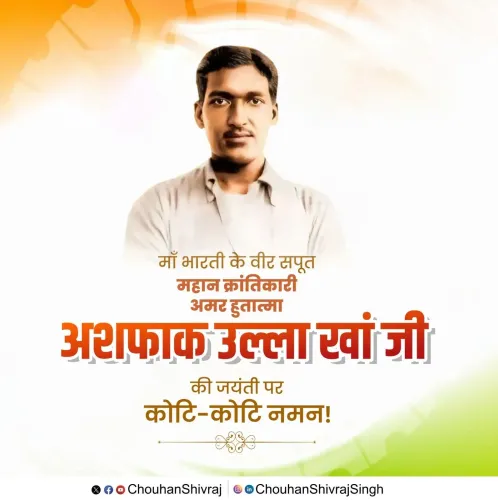
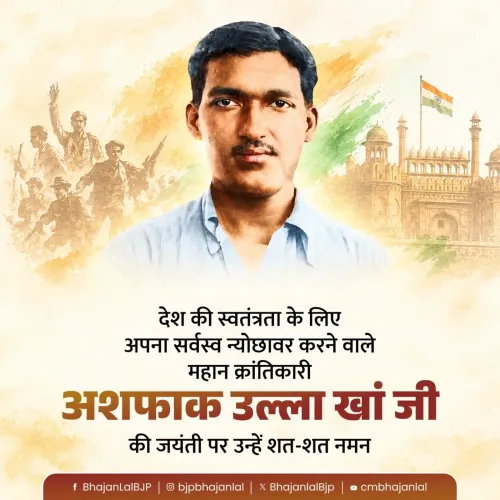
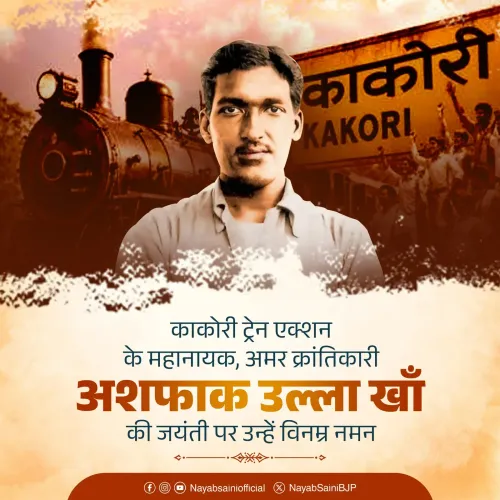
A revolutionary who walked to the gallows at 25 with his head held high — Bihar Chief Minister Samrat Choudhary on Thursday, 22 October 2026, paid solemn tribute to Ashfaqulla Khan, the Kakori martyr whose defiance of colonial rule made him one of independent India's most celebrated freedom fighters.
Posting in Hindi on X, CM Choudhary wrote: 'Matrabhumi ki aazaadi ke liye apna sarvashva nyochhavar karne wale mahan kraantikari amar shaheed Ashfaqulla Khan ji ki jayanti par saadar naman.' — 'Respectful salutations on the birth anniversary of the great revolutionary and immortal martyr Ashfaqulla Khan, who sacrificed everything for the freedom of the motherland.' He added that Khan's 'indomitable courage, patriotism and supreme sacrifice will forever inspire coming generations to serve the nation.'
The man behind the martyr: Ashfaqulla Khan's revolutionary life
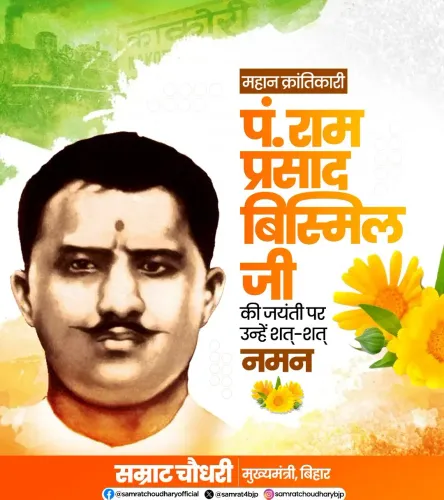
Ashfaqulla Khan was born on 22 October 1900 in Shahjahanpur, Uttar Pradesh. A poet and a warrior in equal measure, he was a proud member of the Hindustan Republican Association (HRA) — the underground network that dared to challenge the British Empire from within its own heartland. His closest comrade was Ram Prasad Bismil, and together they became the beating heart of the HRA's most audacious operation.
On 9 August 1925, Khan and a band of revolutionaries stopped a train at Kakori, near Lucknow, and seized government treasury funds — a direct blow to the colonial financial machine. The British response was swift and merciless. Khan was arrested, tried, and hanged on 19 December 1927 at Faizabad Jail, barely a week after Bismil met the same fate. He was 27 years old.
Why Kakori still echoes across the political spectrum
The Kakori Train Action — reclaimed from the colonial-era label 'Kakori Conspiracy' — holds a singular place in India's freedom narrative. It was not merely a heist; it was a statement that armed resistance was alive, organised, and unafraid. Khan's identity as a Muslim freedom fighter who died alongside Hindu compatriots for a shared motherland has made him a symbol that leaders across India's political spectrum invoke with particular resonance.
Indian political leaders routinely mark the birth anniversaries of independence-era revolutionaries — Bhagat Singh, Ram Prasad Bismil, Sukhdev, Rajguru — on public platforms. These tributes keep the revolutionary tradition visible in public memory, especially for younger citizens far removed from the independence struggle. CM Choudhary's post carries that same commemorative weight.
Point of View
And they signal civic virtue at low political cost. For a BJP leader like CM Samrat Choudhary to publicly honour Ashfaqulla Khan — a Muslim martyr who died alongside Hindu revolutionaries — carries a quiet but deliberate inclusivity message. This fits a broader pattern where the party has worked to frame patriotism as a value it alone does not own. The Kakori centenary cycle and upcoming anniversaries of Bhagat Singh and Bismil will keep this commemorative drumbeat going through the winter months.
NationPress
22 Oct 2026
Frequently Asked Questions
Who was Ashfaqulla Khan?
Ashfaqulla Khan (1900–1927) was a revolutionary from Shahjahanpur who joined the Hindustan Republican Association and participated in the Kakori Train Action of 1925. He was hanged by the British on 19 December 1927 and is revered as one of India's foremost freedom fighters.
What was the Kakori Train Action?
The Kakori Train Action took place on 9 August 1925 near Lucknow, when a group of HRA revolutionaries including Ashfaqulla Khan and Ram Prasad Bismil stopped a train and seized British government treasury funds to fund their independence movement.
When is Ashfaqulla Khan's birth anniversary?
Ashfaqulla Khan was born on 22 October 1900, and his birth anniversary is observed on 22 October each year.
Why did Bihar CM Samrat Choudhary pay tribute to Ashfaqulla Khan?
CM Samrat Choudhary posted a tribute on X on 22 October 2026 to mark Ashfaqulla Khan's birth anniversary, honouring his courage, patriotism, and sacrifice for India's independence.
Who was Ashfaqulla Khan's closest revolutionary comrade?
Ram Prasad Bismil was Ashfaqulla Khan's closest comrade in the Hindustan Republican Association. Both were executed by the British in December 1927 following the Kakori case.