CM Samrat Choudhary Reviews Bihar Science and Tech Education Dept
Synopsis
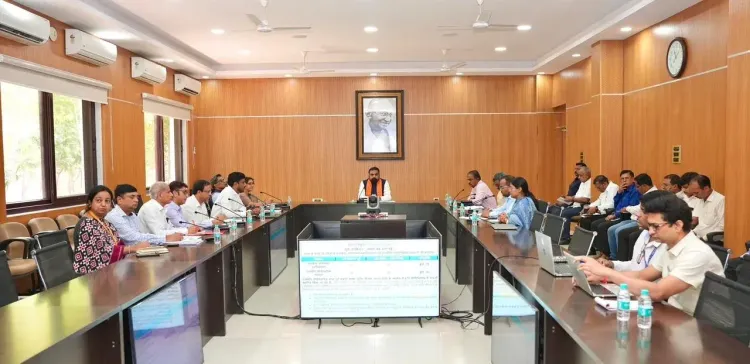
Bihar Chief Minister Samrat Choudhary on 23 June 2026 held a high-level review of the Science, Technology and Technical Education Department at Sankalp Sabhagar, Lok Sevak Awas in Patna, signalling renewed administrative focus on the state's technical education and skill development agenda.
Key Takeaways
CM Samrat Choudhary chaired a high-level review of the Science, Technology and Technical Education Department on 23 June 2026 .
The meeting was held at Sankalp Sabhagar , the official conference hall within Lok Sevak Awas in Patna .
The department oversees polytechnic institutes, engineering colleges, and vocational skill programmes across Bihar .
High-level review meetings are a standard governance mechanism in Bihar to monitor scheme implementation and administrative performance.
Possible follow-up outcomes include new budget allocations, polytechnic approvals, or curriculum reforms.
The review has direct implications for technical education students and faculty across the state.
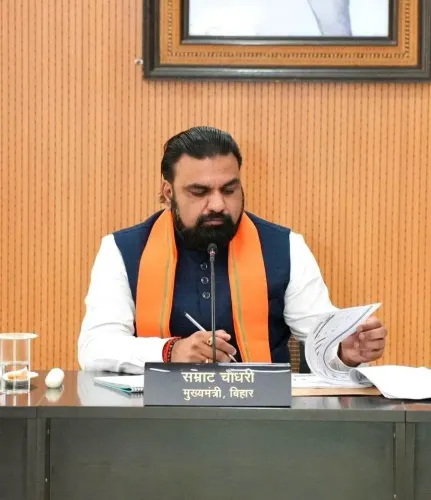
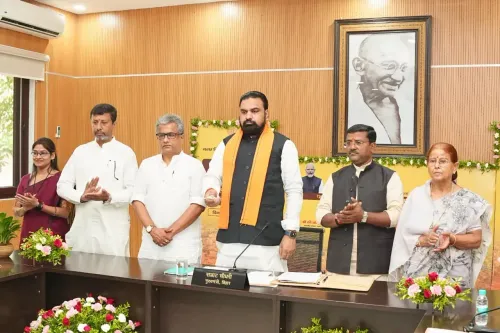
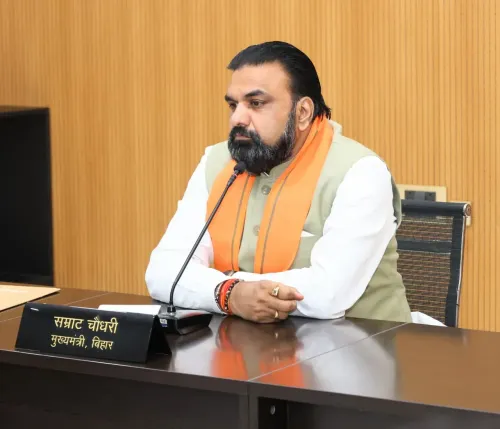
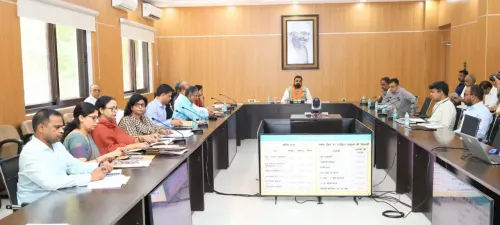
The Chief Minister's Office of Bihar announced on Tuesday, 23 June 2026 that Chief Minister Samrat Choudhary chaired a high-level review meeting of the Science, Technology and Technical Education Department at Sankalp Sabhagar, located within the Lok Sevak Awas official residence complex in Patna.
The official post from the Chief Minister's Office read: 'माननीय मुख्यमंत्री श्री सम्राट चौधरी जी ने आज लोक सेवक आवास स्थित संकल्प सभागार में विज्ञान, प्रावैधिकी एवं तकनीकी शिक्षा विभाग की उच्चस्तरीय समीक्षा बैठक की।' ('The Honourable Chief Minister Shri Samrat Choudhary today held a high-level review meeting of the Science, Technology and Technical Education Department at Sankalp Sabhagar, Lok Sevak Awas.')
Context
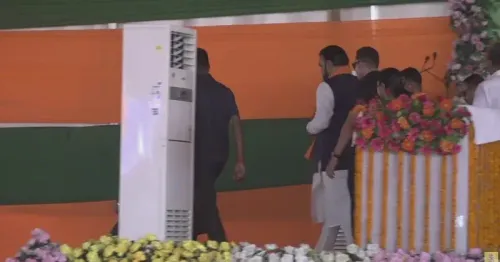
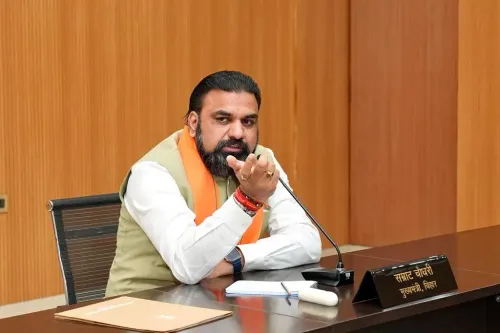
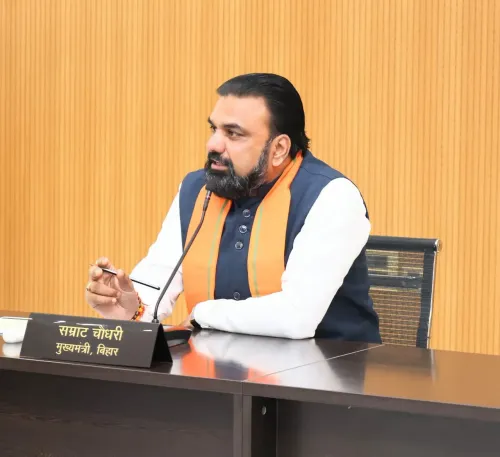
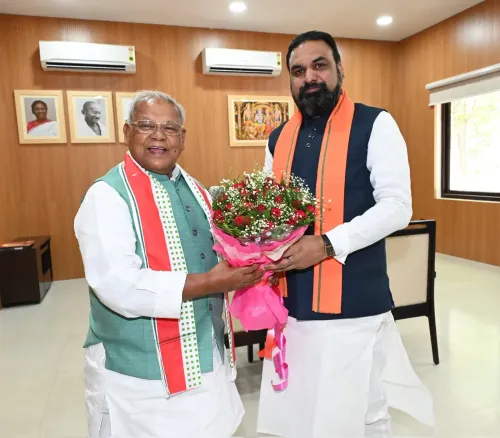
Samrat Choudhary, a senior BJP leader, has been at the helm of Bihar's administration and has used such departmental review sessions as a primary tool of governance oversight. The Sankalp Sabhagar at Lok Sevak Awas in Patna is the designated venue for high-level government meetings and ministerial deliberations. Four images shared alongside the post depicted the proceedings of the meeting.
Policy Backdrop
The Science, Technology and Technical Education Department of Bihar oversees a wide mandate that includes polytechnic institutes, engineering colleges, and vocational skill programmes aimed at improving youth employability across the state. Bihar governments across successive administrations have prioritised expanding technical education infrastructure, recognising the state's large youth population as both a challenge and an opportunity. High-level review meetings of this nature are a standard mechanism to monitor scheme implementation, assess administrative performance, and course-correct where targets are being missed.
The department's ambit also extends to science policy and technology adoption within the state's public institutions, making it a cross-cutting portfolio with implications for both education outcomes and industrial readiness.
Stakeholders and Impact
The primary stakeholders of any directives emerging from this review are students enrolled in polytechnic institutes and engineering colleges across Bihar, as well as faculty and administrative staff at these institutions. Decisions on budget allocations, new institute approvals, or curriculum reforms directly affect the quality and accessibility of technical education in the state. Beyond students, the broader economy stands to benefit if the review results in stronger alignment between technical education outputs and industry demand.
Youth employment remains a persistent concern in Bihar, and improvements in technical education infrastructure are widely seen as a long-term lever for addressing it. Any follow-up policy announcements from this meeting will be closely watched by educators, industry bodies, and civil society groups working on skill development.
What's Next
Follow-up directives from the 23 June 2026 review could include fresh budget allocations for technical institutes, approvals for new polytechnic campuses, or reforms to existing curricula to better align with emerging technology sectors. The Chief Minister's Office is expected to communicate specific outcomes and action points from the meeting in the coming days. Observers will watch whether the review translates into measurable changes in enrollment capacity, infrastructure spending, or industry-linkage programmes within the department's portfolio.
Point of View
Technology and Technical Education Department signals that the portfolio is being treated as a governance priority rather than a routine administrative function. In Bihar, such CM-level reviews typically precede significant policy announcements — whether new infrastructure approvals, budget reallocation, or course-correction on stalled schemes. The choice of venue, Sankalp Sabhagar at Lok Sevak Awas, reinforces the formal, high-stakes nature of the exercise. This fits into a broader pattern of Bihar's ruling dispensation using visible administrative action on education and skill development to address the state's youth employment challenge ahead of future electoral cycles.
NationPress
23 Jun 2026
Frequently Asked Questions
What did Bihar CM Samrat Choudhary do on 23 June 2026?
Bihar CM Samrat Choudhary chaired a high-level review meeting of the Science, Technology and Technical Education Department at Sankalp Sabhagar, Lok Sevak Awas in Patna on 23 June 2026.
What is Sankalp Sabhagar in Bihar?
Sankalp Sabhagar is a conference hall located within Lok Sevak Awas, the official residence complex in Patna used by the Bihar government for high-level administrative and ministerial meetings.
What does Bihar's Science, Technology and Technical Education Department do?
The department oversees polytechnic institutes, engineering colleges, vocational skill programmes, and science and technology policy across Bihar, with a focus on improving youth employability and technical education quality.
What could be the outcome of the Bihar technical education review meeting?
Possible outcomes include fresh budget allocations for technical institutes, approvals for new polytechnic campuses, curriculum reforms, or directives to improve scheme implementation across the department.
Who is Samrat Choudhary?
Samrat Choudhary is a senior BJP leader and the Chief Minister of Bihar, who has used departmental review meetings as a key governance tool during his tenure.