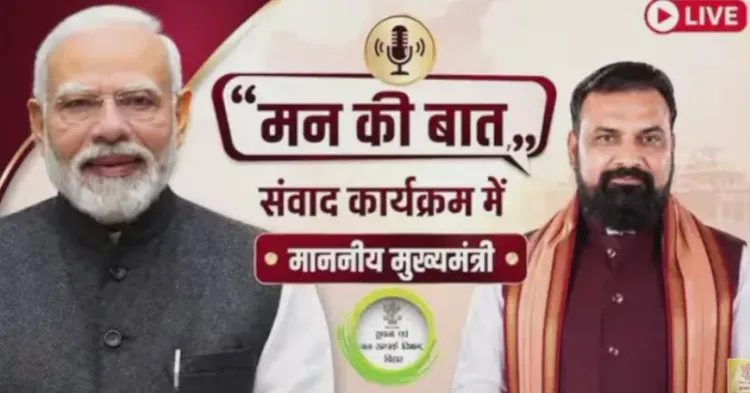
CM Samrat Choudhary tunes in to PM Modi's Mann Ki Baat
Synopsis
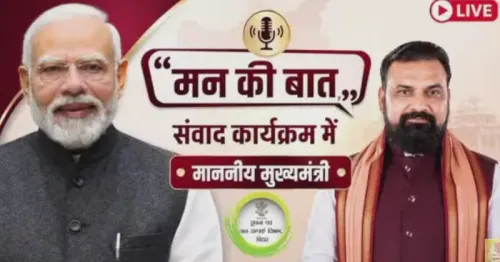
Bihar Chief Minister Samrat Choudhary publicly tuned in to PM Narendra Modi's Mann Ki Baat monthly address at his official residence on 27 September 2026, sharing the moment live — a routine but deliberate act of political signalling common among BJP leaders across states.
Key Takeaways
Bihar Chief Minister Samrat Choudhary listened to PM Modi's Mann Ki Baat at Lok Sevak Avas on 27 September 2026 .
Mann Ki Baat is a monthly radio programme launched by PM Narendra Modi in October 2014 on All India Radio.
Choudhary shared the listening session live on social media, signalling alignment with the central BJP leadership.
BJP chief ministers and senior leaders routinely publicise their participation in Mann Ki Baat to amplify its reach in their states.
The programme has run for over a decade, making it one of India's longest-running direct government-to-citizen broadcast formats.
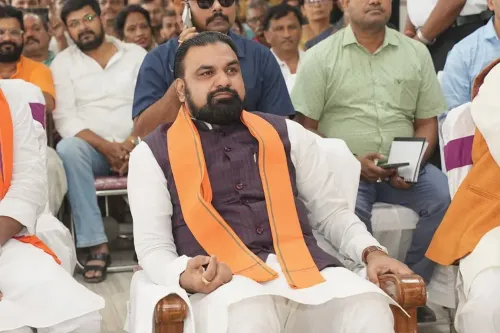
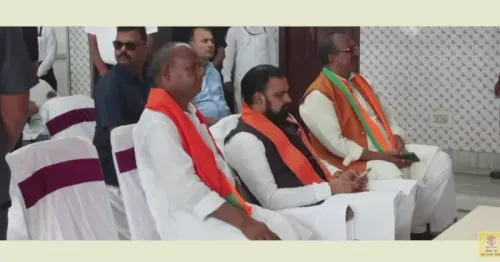
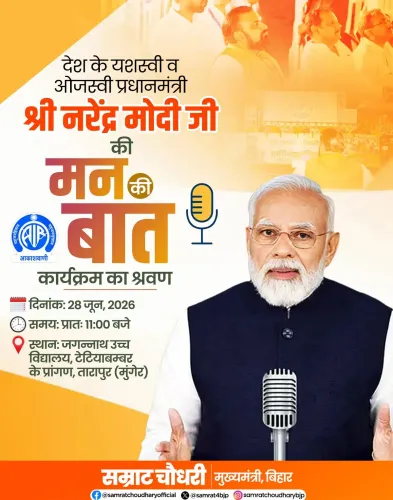
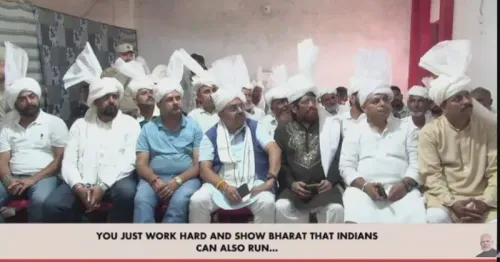
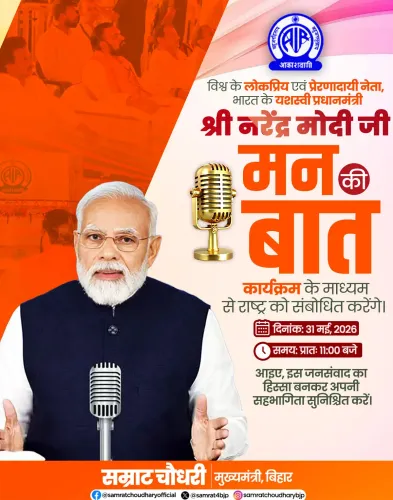
Bihar Chief Minister Samrat Choudhary joined millions of citizens across the country on Sunday, 27 September 2026, gathering at Lok Sevak Avas — the official Bihar Chief Minister's residence — to listen to Prime Minister Narendra Modi's monthly radio address, Mann Ki Baat.
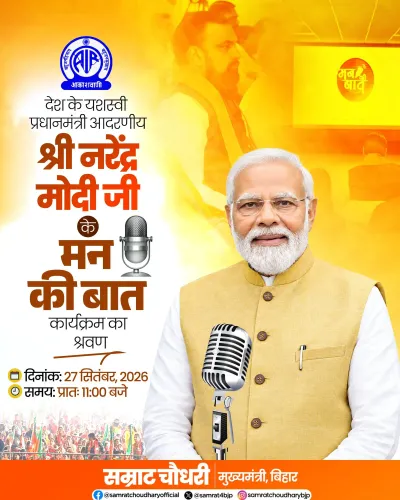
Choudhary shared the moment live on social media, captioning the image with warm reverence for the Prime Minister — 'desh ke yashasvi Pradhan Mantri aadaraniya Shri Narendra Modi ji ke lokapriya udbodhan karyakram Mann Ki Baat ka shravan karte hue' ('listening to the popular address programme Mann Ki Baat of the nation's accomplished and respected Prime Minister Narendra Modi ji').
What Mann Ki Baat is — and why it still matters
Mann Ki Baat was launched by Prime Minister Modi in October 2014 as a monthly, direct-to-citizen broadcast on All India Radio. Over more than a decade, it has become one of the most-listened-to government communication programmes in India, covering governance milestones, social campaigns, and citizen stories from every corner of the country.
The format is deliberately non-partisan in its presentation — Modi speaks to the nation on issues ranging from water conservation and startup culture to sports victories and regional festivals. Its longevity has made it a fixture of BJP's outreach strategy, building a consistent, unmediated channel between the Prime Minister and the public.
A familiar BJP playbook — and why leaders keep showing up
Chief ministers and senior BJP leaders routinely document their participation in Mann Ki Baat sessions. The gesture serves a dual purpose: it signals ideological alignment with central leadership while amplifying the programme's reach within their respective states. For Choudhary, Bihar's Chief Minister, publicising the listening session is both a show of solidarity with New Delhi and a nudge to constituents to tune in themselves.
The pattern is consistent across BJP-governed states — from Uttar Pradesh to Gujarat — where leaders photograph or livestream their Mann Ki Baat sessions, turning a passive radio moment into active political communication.
Point of View
Reinforcing both party cohesion and the programme's grassroots reach. For Choudhary, who leads a politically sensitive state ahead of any future electoral cycle, proximity to the Modi brand carries tangible value. The gesture is ceremonial on the surface but deliberate in its political calculus — a reminder that in the BJP ecosystem, even a Sunday radio session is a managed moment. The longevity of Mann Ki Baat itself, now past its twelfth year, reflects the programme's success as an unmediated political communication tool that bypasses traditional gatekeepers.
NationPress
27 Sept 2026
Frequently Asked Questions
What is Mann Ki Baat?
Mann Ki Baat is a monthly radio programme hosted by Prime Minister Narendra Modi on All India Radio, launched in October 2014. Modi uses it to address citizens directly on governance, social issues, and national achievements.
Why did Bihar CM Samrat Choudhary listen to Mann Ki Baat publicly?
Samrat Choudhary publicly listened to and shared his participation in Mann Ki Baat on 27 September 2026 as a show of alignment with PM Modi and to encourage citizens in Bihar to engage with the programme — a common practice among BJP state leaders.
Where does Mann Ki Baat air?
Mann Ki Baat airs on All India Radio and is also streamed online. It is broadcast on the last Sunday of each month.
How long has Mann Ki Baat been running?
Mann Ki Baat was launched in October 2014 and has been running for over twelve years as of 2026, making it one of India's longest-running direct government broadcast programmes.
What is Lok Sevak Avas in Patna?
Lok Sevak Avas is the official residence of the Bihar Chief Minister in Patna. It serves as both a residential and administrative address for the state's top executive.