CM Samrat Choudhary leads Bihar's Partition Remembrance tribute
Synopsis
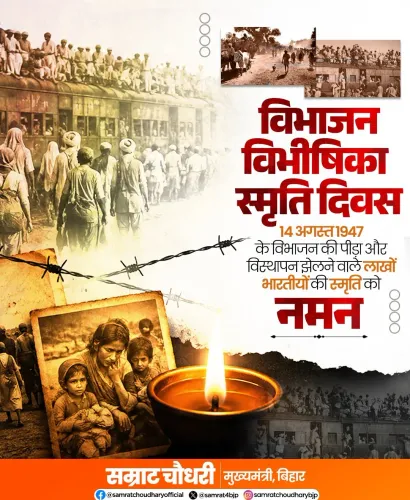
On Partition Horrors Remembrance Day, 14 August 2026, Bihar Chief Minister Samrat Choudhary led a tribute at the state assembly, observing two minutes of silence, screening a Partition documentary, and joining a candle march — calling national unity the truest honour to 1947's victims.
Key Takeaways
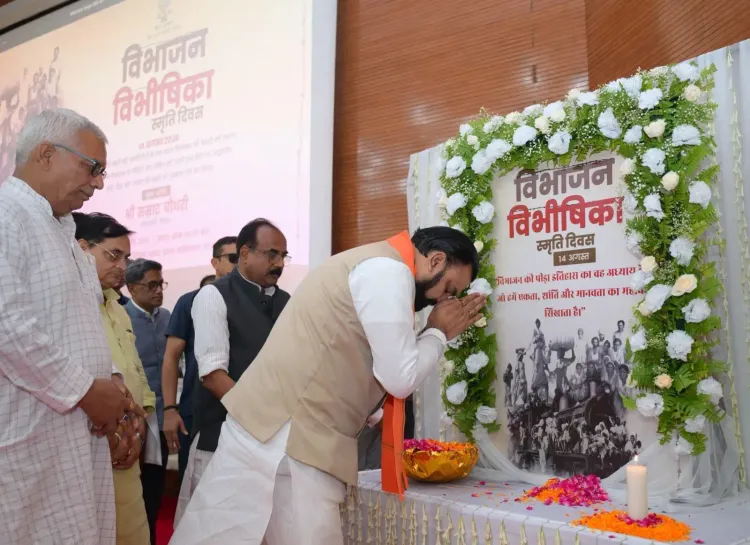
Bihar CM Samrat Choudhary presided over a Partition Horrors Remembrance Day condolence meeting at the Bihar Vidhan Sabha on 14 August 2026 .
Attendees observed a two-minute silence and watched a documentary film on the 1947 Partition tragedy.
The CM called for strengthening social unity, brotherhood, and mutual trust as the 'truest tribute' to Partition victims.
A candle march was held from the assembly hall to the Peepal tree garden within the Vidhan Sabha complex.
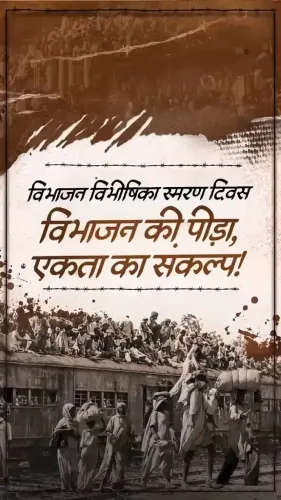
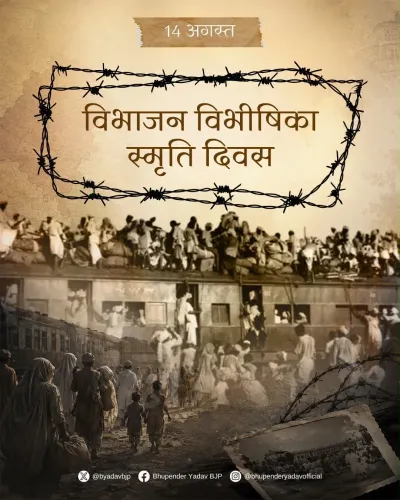
Partition Horrors Remembrance Day was declared a national observance on 14 August by the Union Government in 2021 .
Seventy-nine years after one of history's bloodiest demographic upheavals, Bihar Chief Minister Samrat Choudhary stood in the state assembly complex on 14 August 2026 to bow before the millions who lost their lives — and everything else — in the 1947 Partition of India. The message he carried was as urgent as it was solemn: the nation must never forget.
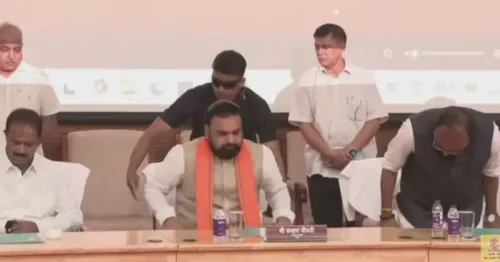
At a condolence meeting held at the Bihar Vidhan Sabha on the occasion of Partition Horrors Remembrance Day, CM Choudhary paid tribute to the lakhs killed and the families displaced during the cataclysm of 1947. Attendees observed a two-minute silence, and a documentary film on the tragedy of Partition was screened — a deliberate act of collective memory in a hall built for legislation.
Two minutes of silence, one documentary, and a message for today
The CM's words, posted in Hindi on X, framed remembrance not as a backward look but as a living obligation. 'Rashtra rahega, tabhi hum sab rahenge' — 'The nation endures, and only then do we endure' — he wrote, placing national unity at the centre of the tribute. He called on citizens to honour Partition victims not merely with grief, but by strengthening social harmony, mutual brotherhood, and trust.
'The pain of Partition teaches us to reinforce social unity, mutual brotherhood, goodwill, and trust,' he said. 'Our diversity and cultural heritage are our strength. The truest tribute to Partition victims is that we all work together to strengthen the nation's unity, integrity, and prosperity.'
Candle march from the assembly to the Peepal grove
After the condolence meeting, CM Choudhary joined a candle march from the assembly hall to the Peepal tree garden within the Vidhan Sabha complex — a quiet, symbolic procession that closed the evening's observance. The peepal tree, long associated with remembrance and continuity in Indian tradition, made for a resonant endpoint.
Why 14 August carries this weight
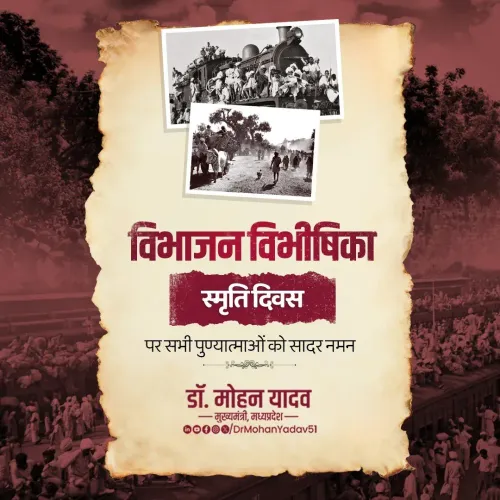
The Union Government declared 14 August as Partition Horrors Remembrance Day in 2021, the eve of Independence Day, as a permanent national observance. Since then, BJP-governed states have marked the date annually with tributes, documentary screenings, and public marches — each event weaving the memory of 1947's violence into a contemporary call for national integration. Bihar's 2026 programme follows that template while adding the candle march as a visible, public dimension.
The victims of 1947 — the displaced, the bereaved, the survivors who rebuilt lives across a redrawn map — deserve more than a date on a calendar. If this evening's candlelight means anything, it is that Bihar's government intends to keep that debt visible.
Point of View
CM Choudhary gives the observance a legislative and civic weight that extends beyond ritual. The emphasis on diversity as strength alongside the 'nation first' framing reflects a dual register — inclusive in language, assertively nationalist in conclusion — that has become the standard political grammar of these commemorations. Whether the format deepens into school curricula or public-awareness programmes will determine if the remembrance moves from symbolism into lasting policy.
NationPress
29 Sept 2026
Frequently Asked Questions
What is Partition Horrors Remembrance Day?
Partition Horrors Remembrance Day is a national observance held every year on 14 August — the eve of Independence Day — to honour the lakhs killed and millions displaced during the 1947 Partition of India . The Union Government declared the day in 2021 .
What did Bihar CM Samrat Choudhary do on Partition Remembrance Day 2026?
Bihar Chief Minister Samrat Choudhary attended a condolence meeting at the Bihar Vidhan Sabha on 14 August 2026 , observed a two-minute silence, watched a Partition documentary, and participated in a candle march from the assembly hall to the Peepal tree garden within the complex.
Where was the Partition Remembrance Day event held in Bihar?
The event was held at the Bihar Vidhan Sabha (state assembly) complex in Patna , with the candle march ending at the Peepal tree garden within the same premises.
Why is 14 August chosen for Partition Horrors Remembrance Day?
14 August was chosen because it is the eve of India's Independence Day — the same date in 1947 on which Pakistan was created, marking the moment the Partition formally divided British India and triggered mass displacement and violence.
What message did Samrat Choudhary give on Partition Remembrance Day?
CM Choudhary said the truest tribute to Partition victims is to work collectively to strengthen national unity, integrity, and prosperity. He emphasised that the pain of Partition must inspire social harmony, brotherhood, and mutual trust among citizens.