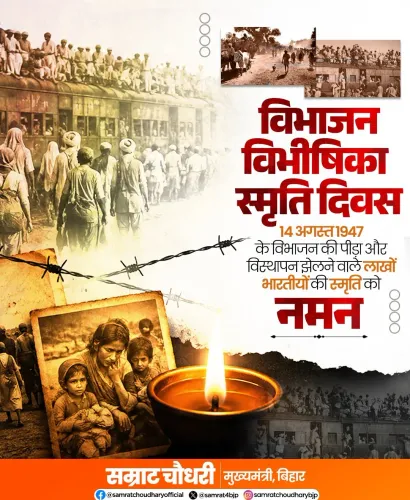
CM Samrat Choudhary hosts Partition Horrors Remembrance Day
Synopsis
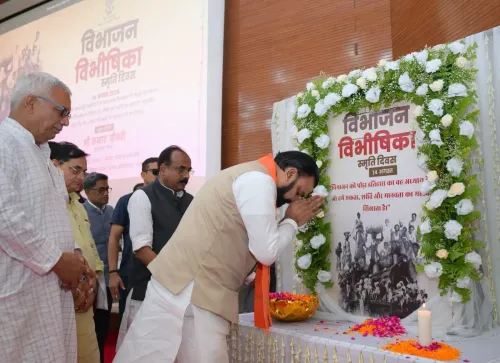
Bihar Chief Minister Samrat Choudhary presided over the state-level Partition Horrors Remembrance Day on 14 August 2026, honouring victims of the 1947 division of British India — an observance instituted by PM Modi in 2021 to mark the human cost of independence.
Key Takeaways
Bihar CM Samrat Choudhary hosted the state-level Vibhajan Vibhishika Smriti Diwas programme on 14 August 2026 .
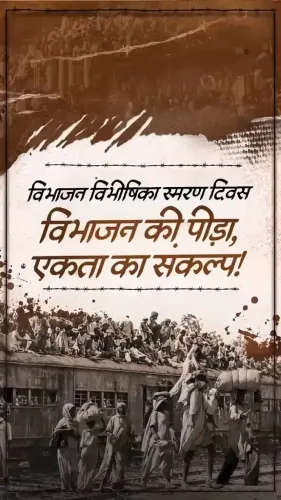
Partition Horrors Remembrance Day was instituted by PM Narendra Modi in August 2021 to be observed on 14 August each year.
The 1947 partition displaced an estimated 10–20 million people and caused hundreds of thousands to over a million deaths.
The observance is part of a recurring national calendar of remembrance promoted by the BJP-led central government .
State-level programmes like Bihar's give institutional weight to the day beyond New Delhi.
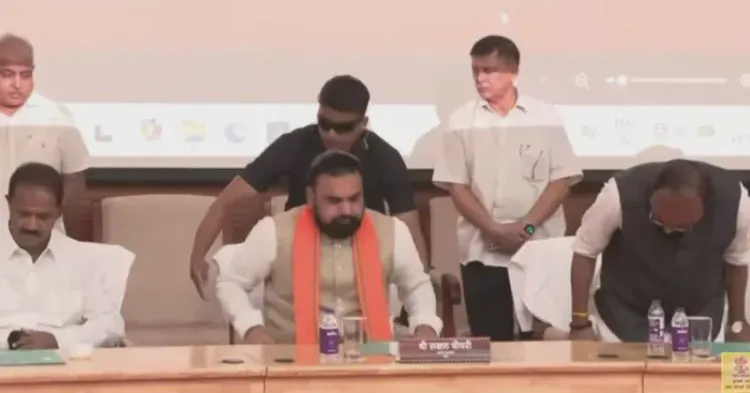
Seventy-nine years after one of history's most violent mass displacements, Bihar Chief Minister Samrat Choudhary on Friday, 14 August 2026 presided over the state-level Vibhajan Vibhishika Smriti Diwas — Partition Horrors Remembrance Day — a solemn annual observance honouring the millions uprooted and killed when British India was divided in 1947.
A day born from a prime ministerial directive
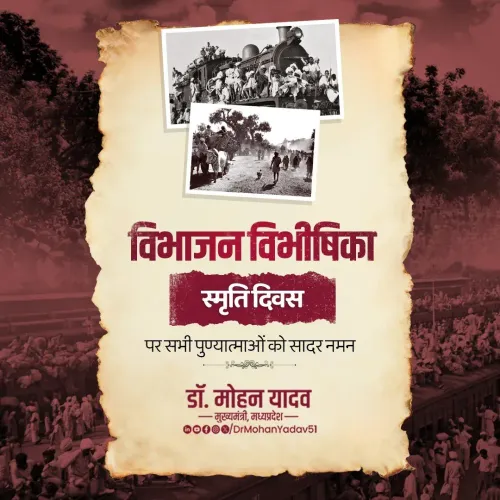
The observance traces directly to August 2021, when Prime Minister Narendra Modi directed that 14 August — the eve of India's Independence Day — be marked each year as Partition Horrors Remembrance Day across central government institutions. The date was chosen deliberately: the moment partition became reality, before the jubilation of 15 August, as a reminder that freedom came at an enormous human cost.
Historians estimate the 1947 partition triggered the largest forced migration in recorded history, displacing between 10 and 20 million people and claiming hundreds of thousands to over a million lives in sectarian violence across the subcontinent. Families on both sides of the new border — in Punjab, Bengal, Sindh — bore the sharpest grief.
Bihar's role in a national calendar of remembrance
The Bihar programme is part of a broader pattern of state-level commemorations the BJP-led central government has woven into the national calendar — events designed to keep historical trauma visible and link it to narratives of national consolidation. For Bihar, a state whose own communities carry partition-era memories, the observance carries particular resonance among survivor families and their descendants.
Chief Minister Choudhary, a senior BJP leader, has been among the prominent state executives lending institutional weight to the day, signalling that remembrance is not confined to New Delhi.
Point of View
Making it a federated act of remembrance. The pattern signals that partition historiography — long contested and unevenly taught — is increasingly becoming official state narrative, with implications for how future generations encounter the events of 1947.
NationPress
29 Sept 2026
Frequently Asked Questions
What is Vibhajan Vibhishika Smriti Diwas?
Vibhajan Vibhishika Smriti Diwas , or Partition Horrors Remembrance Day, is observed on 14 August each year to honour the victims of the 1947 partition of British India. It was instituted by PM Narendra Modi in 2021 .
Why is Partition Remembrance Day observed on 14 August?
14 August is the date partition formally took effect — the eve of India's Independence Day — chosen to acknowledge that freedom came at a devastating human cost before the celebrations of 15 August .
Who is Samrat Choudhary?
Samrat Choudhary is the Chief Minister of Bihar and a senior leader of the BJP . He hosted the state-level Partition Horrors Remembrance Day programme on 14 August 2026 .
How many people died or were displaced in the 1947 partition?
The 1947 partition of British India is estimated to have displaced between 10 and 20 million people and caused hundreds of thousands to over a million deaths in sectarian violence.
When did India start officially observing Partition Horrors Remembrance Day?
The Government of India formally instituted 14 August as Partition Horrors Remembrance Day in August 2021 , on the direction of Prime Minister Narendra Modi .