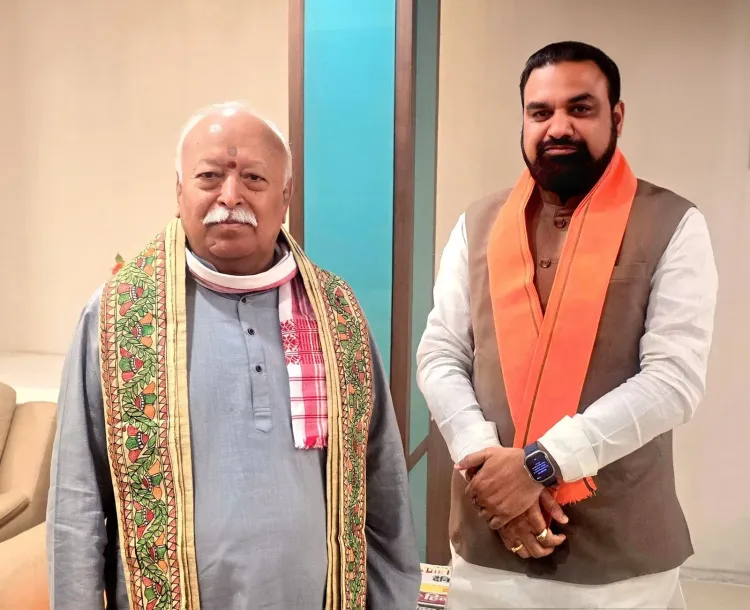
CM Samrat Choudhary meets RSS chief Bhagwat in Patna
Synopsis
Bihar Chief Minister Samrat Choudhary met RSS Sarsanghchalak Mohan Bhagwat in Patna on June 7, 2026, describing it as a heartfelt personal meeting. The engagement reflects the longstanding coordination between BJP state governments and the RSS, its ideological parent organisation.
Key Takeaways
Bihar Chief Minister Samrat Choudhary met RSS Sarsanghchalak Mohan Bhagwat in Patna on June 7, 2026 .
Choudhary described the meeting as aatmiy — warm and personal — on social media platform X.
Mohan Bhagwat has led the RSS as its chief since 2009 , providing ideological direction to the organisation and its affiliates including the BJP .
Periodic meetings between RSS leadership and BJP chief ministers have been a feature of the organisation's engagement with state governments since the 1990s .
In Bihar , the BJP governs through a coalition, making organisational coordination with the RSS particularly relevant for the party's grassroots presence.
Follow-up visits by RSS functionaries or shifts in state policy priorities may indicate the scope of discussions held.
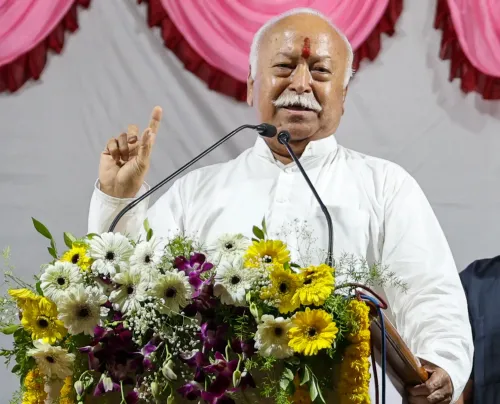
Bihar Chief Minister Samrat Choudhary met Rashtriya Swayamsevak Sangh chief Mohan Bhagwat in Patna on Sunday, June 7, 2026, in what the Chief Minister described as a warm, personal meeting with the organisation's top leadership.
Context
Choudhary shared news of the meeting on X, writing: 'Rashtriya Swayamsevak Sangh ke aadarniya Sarsanghchalak Shri Mohan Bhagwat ji se aaj Patna mein aatmiy mulakat hui' — ('Today in Patna, I had a warm and personal meeting with the respected Sarsanghchalak of the Rashtriya Swayamsevak Sangh, Shri Mohan Bhagwat ji'). The post was accompanied by an image from the meeting. The word aatmiy — roughly meaning 'heartfelt' or 'intimate' — signals the cordial tone Choudhary wished to convey publicly.
Policy Backdrop
Mohan Bhagwat has led the RSS as its Sarsanghchalak since 2009, providing ideological direction to the organisation and its vast network of affiliates. The RSS, founded in 1925, functions as the ideological parent body of the Bharatiya Janata Party, and periodic meetings between RSS leadership and BJP chief ministers have been a feature of the organisation's engagement with state governments since the 1990s. Such interactions typically cover organisational matters and governance themes aligned with the RSS's priorities.
In Bihar, the BJP governs as part of a coalition arrangement, making grassroots organisational cohesion a continued focus for the party's state leadership. Patna, as the state capital, serves as a frequent venue for political and ideological consultations involving both state and national figures.
Stakeholders and Impact
The meeting carries significance for BJP state units and RSS shakha networks across Bihar. Engagements of this nature are seen as reinforcing the alignment between the party in government and its ideological mentor, particularly at a time when Bihar is preparing for its next electoral cycle. For the RSS, a meeting in a state capital with the sitting Chief Minister underscores the organisation's continued engagement with governance at the state level.
Senior BJP leaders in Bihar with RSS backgrounds often see such meetings as an opportunity to discuss both organisational expansion and policy directions that resonate with the RSS's social and cultural agenda. The public disclosure of the meeting by Choudhary himself signals that the engagement is viewed as a point of political credibility rather than a back-channel consultation.
What's Next
Observers will watch for follow-up visits by other RSS functionaries to Bihar or subsequent statements from BJP state leaders that may shed light on the themes discussed. Any shift in the state government's programmatic priorities — in areas such as education, cultural policy, or social welfare — in the weeks following the meeting could provide indirect signals about the meeting's substance. The broader pattern of BJP-RSS coordination at the state level suggests this meeting is unlikely to be an isolated engagement.
Point of View
Where the BJP must balance alliance politics with its core ideological base, such visible engagements with the RSS chief serve as an important consolidation exercise. The pattern points to a broader, ongoing effort by BJP state governments to maintain close organisational ties with the RSS even while navigating the practical demands of coalition governance.
NationPress
22 Oct 2026
Frequently Asked Questions
Why did Bihar CM Samrat Choudhary meet Mohan Bhagwat in Patna?
Bihar Chief Minister Samrat Choudhary met RSS Sarsanghchalak Mohan Bhagwat in Patna on June 7, 2026, in what he described as a warm personal meeting. Such meetings between BJP chief ministers and RSS leadership are part of a longstanding pattern of coordination between the party in government and its ideological parent organisation.
Who is Mohan Bhagwat?
Mohan Bhagwat is the Sarsanghchalak, or chief, of the Rashtriya Swayamsevak Sangh (RSS), a position he has held since 2009. He provides ideological direction to the RSS and its affiliates, including the Bharatiya Janata Party.
What is the RSS's relationship with the BJP?
The RSS, founded in 1925, is the ideological parent organisation of the BJP. Many senior BJP leaders have participated in RSS activities, and the two organisations maintain close organisational and ideological links.
Is it common for BJP chief ministers to meet the RSS chief?
Yes, periodic meetings between RSS leadership and BJP chief ministers have occurred since the 1990s. These meetings typically cover organisational matters and governance themes aligned with the RSS's priorities.
What is the political significance of this meeting for Bihar?
In Bihar, where the BJP governs through a coalition arrangement, a meeting between the Chief Minister and the RSS chief signals continued coordination between the party's state leadership and its ideological base. It is seen as an effort to maintain grassroots organisational cohesion ahead of future elections.