CM Conrad Sangma Reviews Jal Jeevan Mission Progress in Meghalaya
Synopsis
Meghalaya Chief Minister Conrad Sangma on 8 July 2026 reviewed Jal Jeevan Mission progress and ordered the PHE Department to audit functional household tap connections block- and district-wise, ahead of the state's planned entry into Jal Jeevan 2.0 Phase II.
Key Takeaways
CM Conrad Sangma chaired a review meeting on 8 July 2026 to assess Jal Jeevan Mission progress in Meghalaya.
The meeting discussed the state's financial share for Jal Jeevan 2.0 Phase II and pending retrofitting costs of existing water supply schemes.
Sangma directed the PHE Department to prepare a detailed report on functional household tap connections under the Har Ghar Jal initiative.
The audit will identify gaps, reasons for non-functionality, and map coverage block-wise and district-wise across Meghalaya.
Implementation of the State O&M Policy as mandated under central Jal Jeevan Mission guidelines was a key agenda item.
The state government is in active coordination with the Ministry of Jal Shakti and Union Minister C.R.
Paatil on Phase II preparedness.
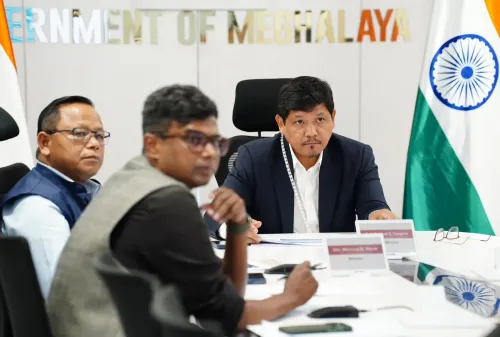
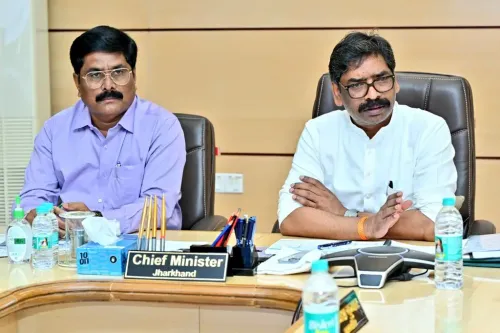
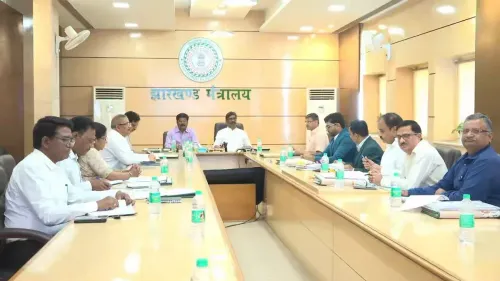
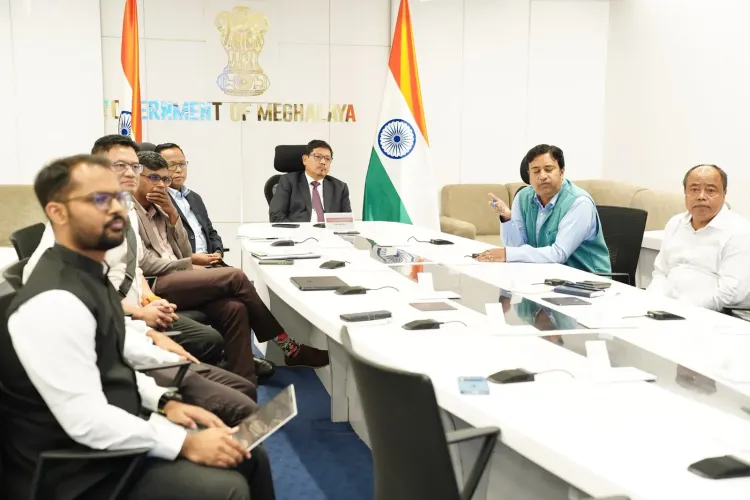
Meghalaya Chief Minister Conrad Sangma on Wednesday, 8 July 2026 chaired a review meeting on the progress of the Jal Jeevan Mission in the state, holding detailed discussions on Meghalaya's preparedness for Jal Jeevan 2.0 (Phase II) and directing the state's Public Health Engineering Department to conduct a comprehensive audit of functional household tap connections.
Context
In a post on X, CM Sangma stated that the meeting focused on three core issues: the required state share for the second phase of the mission, implementation of the State Operation and Maintenance (O&M) Policy as mandated under central guidelines, and the cost implications of pending retrofitting of existing water supply schemes. He tagged the Ministry of Jal Shakti and Union Minister C.R. Paatil, signalling active coordination between the state government and the Centre on the mission's next phase.
The Chief Minister has directed the PHE Department and the @jjmmeghalaya team to prepare a detailed report assessing how many functional household tap connections are actually delivering water, identify gaps, understand reasons for non-functionality, and analyse coverage on a block-wise and district-wise basis under the Har Ghar Jal initiative.
Policy Backdrop
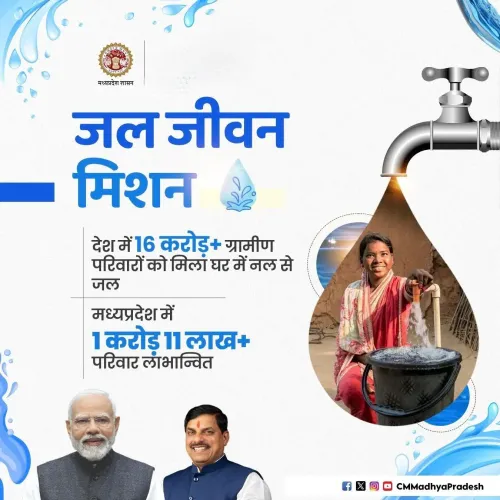
The Jal Jeevan Mission was launched in August 2019 with the aim of providing functional tap connections to every rural household in India. The scheme's original deadline was 2024, after which the focus has shifted from mere infrastructure creation to verifying actual water delivery, sustainability, and operational maintenance across states.
Under the mission's framework, states are required to contribute matching funds and adopt an O&M policy to ensure long-term upkeep of water supply infrastructure. Retrofitting of older or incomplete schemes has emerged as a significant fiscal concern for several states, including Meghalaya. District and block-level data audits have become an increasingly important tool to measure real-world coverage beyond what is reported on paper.
Stakeholders and Impact
The primary beneficiaries of this review are rural households across Meghalaya who are nominally covered under the Har Ghar Jal initiative but may not be receiving a consistent water supply. The audit ordered by CM Sangma is intended to bridge the gap between reported connections and actual water delivery on the ground.
The PHE Department bears direct operational responsibility for implementing the audit and preparing the report. The outcome will also have financial implications for the state exchequer, as Meghalaya must determine its share of funding for Phase II while managing pending retrofitting costs from the first phase.
What's Next
The immediate deliverable is the detailed assessment report on functional tap connections that CM Sangma has directed the PHE Department to prepare. This report is expected to map block-wise and district-wise coverage gaps and provide a data-driven basis for Meghalaya's participation in Jal Jeevan 2.0. Any cabinet-level decisions on the state's financial commitment to Phase II and a formal O&M policy adoption will be closely watched as Meghalaya aligns itself with the Centre's next phase of the flagship water mission.
Point of View
Sangma is positioning Meghalaya as a proactive state partner, which could strengthen its case for a favourable cost-sharing arrangement under Phase II. The emphasis on O&M policy compliance and retrofitting costs also signals that the state is confronting the fiscal realities that many other states have quietly deferred. The outcome of this audit could set a template for how smaller northeastern states approach the accountability gap in centrally-sponsored infrastructure schemes.
NationPress
7 Oct 2026
Frequently Asked Questions
What is Jal Jeevan Mission and what is Phase II?
The Jal Jeevan Mission is a central government scheme launched in August 2019 to provide functional household tap connections to all rural homes in India. Phase II, or Jal Jeevan 2.0, is the next stage of the mission focusing on sustainability, functionality verification, and operation and maintenance of existing infrastructure.
Why is Conrad Sangma auditing tap connections in Meghalaya?
CM Conrad Sangma ordered the audit because the review meeting highlighted that not all reported household tap connections may actually be delivering water. The audit aims to identify non-functional connections, understand the reasons for failure, and map coverage gaps block-wise and district-wise.
What is the Har Ghar Jal initiative?
Har Ghar Jal is the target component of the Jal Jeevan Mission, aimed at ensuring every rural household in India has access to piped tap water. It is implemented through state departments like Meghalaya's Public Health Engineering Department.
What is the State O&M Policy under Jal Jeevan Mission?
The State Operation and Maintenance Policy is a mandatory requirement under Jal Jeevan Mission guidelines that states must adopt to ensure the long-term upkeep and sustainability of water supply infrastructure created under the scheme.
What are the retrofitting costs mentioned by CM Sangma?
Retrofitting costs refer to the expenditure required to upgrade, repair, or complete older or incomplete water supply schemes from Phase I of the Jal Jeevan Mission so that they meet functional standards. These pending costs are a key fiscal concern for Meghalaya as it prepares for Phase II.