CM Conrad Sangma Reviews Meghalaya Houses Expansion Plan
Synopsis
Chief Minister Conrad Sangma chaired a virtual review on 21 July 2026 to assess progress on Meghalaya Houses infrastructure across Delhi, Noida, Mumbai, Bengaluru, Vellore and Kolkata, aiming to improve support for students, patients and officials travelling outside the state.
Key Takeaways
CM Conrad Sangma held a virtual review meeting on 21 July 2026 on Meghalaya Houses infrastructure across India.
The meeting included GAD Minister Sosthenes Sohtun and senior General Administration Department officials.
Cities covered include Delhi, Noida, Mumbai, Bengaluru, Vellore and Kolkata for new and expanded facilities.
Meghalaya Houses serve students, patients and state officials travelling outside Meghalaya for education, healthcare and official work.
The government aims to build 'modern, efficient and well-managed' facilities reflecting Meghalaya's hospitality.
Budget outlays and completion timelines for new Houses are expected to be announced at the next assembly session or budget.
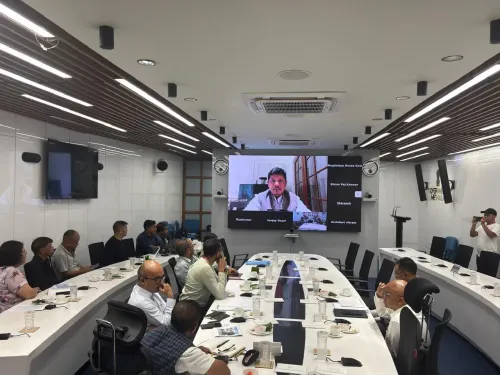
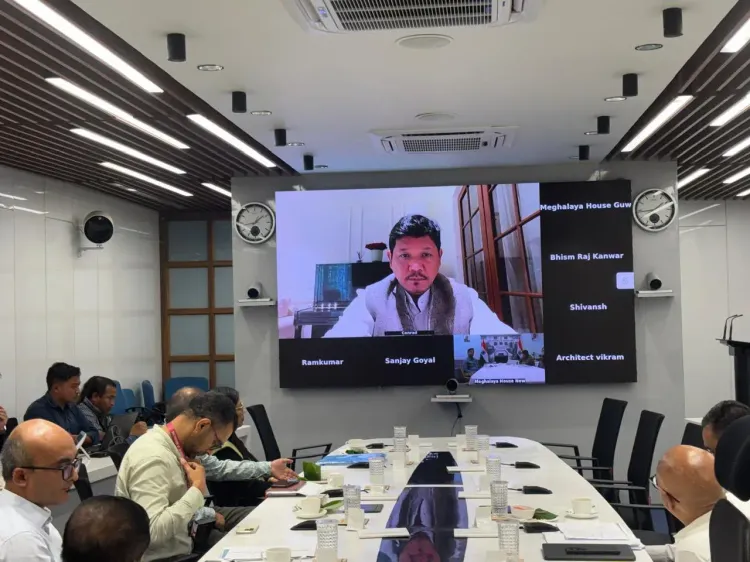
Meghalaya Chief Minister Conrad Sangma on Tuesday, 21 July 2026, chaired a virtual review meeting to assess the progress of ongoing and proposed infrastructure projects for Meghalaya Houses across India, covering key cities including Delhi, Noida, Mumbai, Bengaluru, Vellore and Kolkata.
Context
The meeting was held with General Administration Department (GAD) Minister Sosthenes Sohtun and senior department officials. It reviewed the status of ongoing construction works, the development of new and additional Meghalaya Houses in major cities, and the functioning of existing facilities. The Chief Minister noted that these initiatives are aimed at 'strengthening support for our citizens, students, patients and officials travelling outside the State.'
Meghalaya Houses are state-run guest houses and accommodation centres maintained by the Meghalaya government to provide affordable lodging and support services to residents from the state who travel to metros for education, healthcare or official engagements.
Policy Backdrop
Indian states have maintained dedicated Bhawans and Houses in Delhi and other metropolitan cities since the 1970s and 1980s, originally to facilitate citizens accessing central government services. Northeastern states, in particular, expanded this network significantly after 2000, driven by the geographic distance of the region from major educational and medical hubs.
The focus on cities such as Bengaluru, Vellore and Kolkata reflects the concentration of premier medical institutions and universities in these locations, which draw a significant number of Meghalaya residents each year. Maintaining affordable state-run accommodation in these cities reduces both financial burden and logistical barriers for families accompanying patients or students.
The General Administration Department is the nodal body responsible for managing state properties, administrative coordination and protocol functions, making it the natural custodian of Meghalaya's out-of-state accommodation infrastructure.
Stakeholders and Impact
The primary beneficiaries of an expanded Meghalaya Houses network are students enrolled in institutions outside the state, patients seeking specialised medical care unavailable locally, and state government officials on duty travel. Affordable and well-maintained accommodation directly lowers out-of-pocket costs for families, many of whom travel from remote districts of Meghalaya with limited financial resources.
The proposed expansion to cities like Noida and Bengaluru signals recognition of shifting migration patterns, as more Meghalaya residents seek opportunities in technology and services sectors concentrated in these urban centres. An improved network also strengthens the state government's welfare outreach beyond its own borders.
What's Next
Completion timelines and budget outlays for the proposed new Meghalaya Houses — particularly in Bengaluru, Vellore and Kolkata — are expected to be firmed up during the next state assembly session or in the annual budget presentation. Chief Minister Sangma underscored the government's commitment to creating 'modern, efficient and well-managed Meghalaya Houses that reflect the warmth and hospitality of our State while meeting the growing needs of our people.' The outcome of this review is likely to shape infrastructure allocation decisions for the GAD in the near term.
Point of View
This network functions as a critical social safety net. The move also carries political utility for the NPP ahead of future electoral cycles, positioning the party as responsive to the practical needs of Meghalaya's mobile population.
NationPress
20 Oct 2026
Frequently Asked Questions
What are Meghalaya Houses and who can use them?
Meghalaya Houses are state-run guest houses maintained by the Meghalaya government in major Indian cities to provide affordable accommodation and support services to Meghalaya residents — including students, patients and government officials — travelling outside the state.
Which cities are getting new or expanded Meghalaya Houses?
The review meeting on 21 July 2026 assessed development of Meghalaya Houses in Delhi, Noida, Mumbai, Bengaluru, Vellore and Kolkata , covering both new facilities and expansion of existing ones.
Who chaired the Meghalaya Houses review meeting in July 2026?
Chief Minister Conrad Sangma chaired the virtual review meeting, joined by GAD Minister Sosthenes Sohtun and officials of the General Administration Department.
Why does Meghalaya maintain Houses in cities outside the state?
Because many specialised medical institutions and universities are located in metros far from Meghalaya, state-run Houses reduce costs and logistical barriers for residents seeking healthcare, higher education or attending to official duties outside the state.
When will the new Meghalaya Houses be completed?
Specific completion timelines and budget outlays have not been officially announced yet; they are expected to be detailed at the next Meghalaya assembly session or annual budget presentation.