CM Conrad Sangma Visits Genome Valley, Tags Union Minister Vaishnaw
Synopsis
Meghalaya Chief Minister Conrad Sangma visited Hyderabad's Genome Valley on 24 June 2026, touring Neovantage Innovation Park and tagging Union Minister Ashwini Vaishnaw — signalling a possible push to bring similar life sciences infrastructure to the Northeast.
Key Takeaways
Conrad Sangma , Chief Minister of Meghalaya and NPP national president, visited Genome Valley in Hyderabad on 24 June 2026 .
Genome Valley, established in 1999 , hosts leading global pharmaceutical and biotech firms and is one of India's oldest dedicated biotechnology parks.
Sangma also toured Neovantage Innovation Park , a startup incubation facility within the cluster focused on biotechnology and healthcare.
Union Minister Ashwini Vaishnaw (Electronics, IT and Communications) was tagged in Sangma's post, indicating a possible policy dimension to the visit.
The visit aligns with a broader pattern of state leaders studying successful innovation clusters to replicate models in their own regions, particularly in the Northeast .
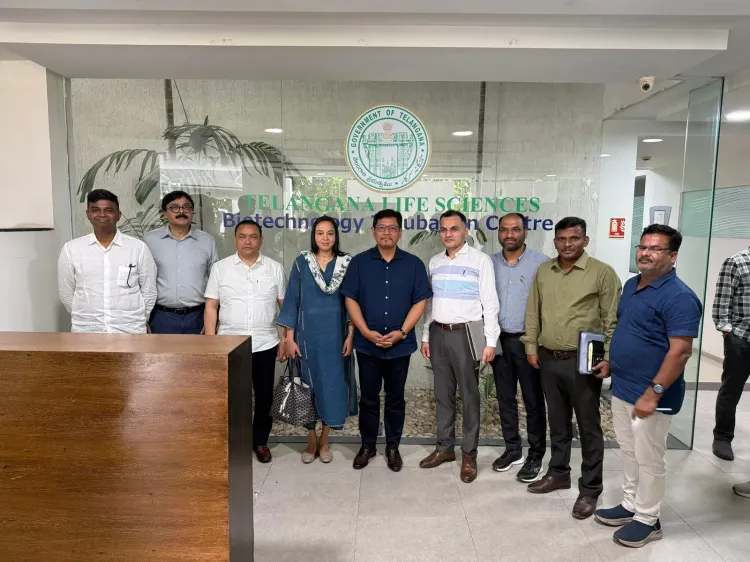
Meghalaya Chief Minister Conrad Sangma visited Genome Valley in Hyderabad, Telangana on Wednesday, 24 June 2026, touring one of India's most prominent life sciences clusters and tagging Union Minister Ashwini Vaishnaw in his post documenting the visit.
Context
Sangma described the visit as a firsthand look at how 'innovation, research, and industry come together' at Genome Valley. He noted that the cluster is home to leading global companies and some of India's top life sciences brands, calling it 'a powerhouse driving advancements in biotechnology, pharmaceuticals, and healthcare.' He also visited Neovantage Innovation Park, an incubation facility within the valley that supports startups in biotechnology and healthcare.
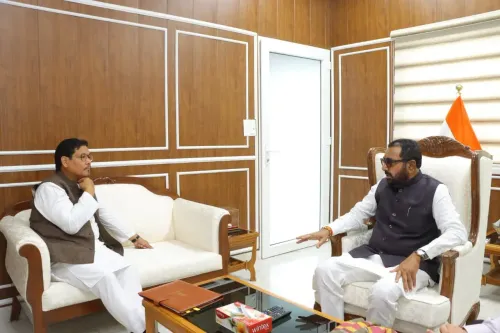
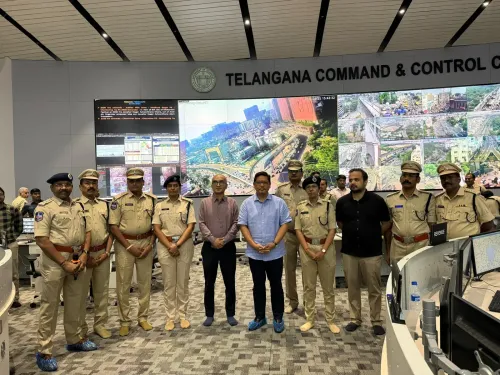
The Chief Minister shared four images from the visit on X, tagging Ashwini Vaishnaw, who holds the Union portfolios of Electronics and Information Technology and Communications — a signal that the engagement may carry a policy dimension beyond a routine study tour.
Policy Backdrop
Genome Valley was established by the Telangana government in 1999 as one of India's earliest dedicated biotechnology parks, designed to attract industry investment and anchor research institutions in a single ecosystem. Over the following two-and-a-half decades it grew into a cluster hosting multinational pharmaceutical firms, domestic biotech companies, and public research bodies.
At the national level, the Government of India's National Biotechnology Development Strategy (2015–2020) emphasised the creation of biotech clusters and the strengthening of public-private research linkages — a framework that Genome Valley has come to exemplify. Indian states routinely study such successful clusters to identify infrastructure models, policy incentives, and industry-academia linkages that can be replicated in their own jurisdictions.
Stakeholders and Impact
Meghalaya and the broader Northeast region have historically lagged behind peninsular India in attracting life sciences investment, making a visit of this nature significant for regional policymakers. Biotech startups, pharmaceutical manufacturers, and healthcare innovators operating within Genome Valley stand to benefit if Sangma's engagement translates into inter-state knowledge exchange or investment facilitation.
The tagging of Vaishnaw is notable: the Union Ministry of Electronics and Information Technology has been active in promoting technology parks and digital infrastructure, and any convergence between biotech cluster models and central government schemes could open funding channels for northeastern states.
What's Next
Observers will watch for any formal announcements of Meghalaya–Telangana collaboration agreements or proposals for a dedicated biotech or life sciences park in the Northeast, potentially modelled on the Genome Valley experience. Sangma's decision to publicly tag a Union minister suggests the visit may be a precursor to policy-level conversations rather than a standalone study exercise.
As India scales its ambitions in biotechnology and pharmaceutical manufacturing, study tours by chief ministers from smaller states to established clusters like Genome Valley are increasingly seen as early steps toward replicating successful models at the regional level.
Point of View
Anchoring even a modest biotech cluster could be transformative, and Genome Valley's three-decade arc offers a credible template. The move also fits Sangma's broader pattern of using his dual role as Chief Minister and national party president to build coalitions with Union government stakeholders. Whether the visit yields concrete agreements will be the real test of intent.
NationPress
23 Sept 2026
Frequently Asked Questions
What is Genome Valley in Hyderabad?
Genome Valley is a dedicated biotechnology and life sciences cluster in Hyderabad, Telangana, established in 1999. It hosts leading global pharmaceutical companies, domestic biotech firms, and research institutions, making it one of India's oldest and most successful biotech parks.
Why did Meghalaya CM Conrad Sangma visit Genome Valley?
Sangma visited Genome Valley on 24 June 2026 to witness firsthand how innovation, research, and industry converge in a mature life sciences cluster. The visit is seen as part of efforts to explore similar models for Meghalaya or the broader Northeast region.
What is Neovantage Innovation Park?
Neovantage Innovation Park is an innovation and incubation facility located within Genome Valley in Hyderabad. It supports startups working in biotechnology and healthcare sectors.
Why did Conrad Sangma tag Ashwini Vaishnaw in his post?
Sangma tagged Union Minister Ashwini Vaishnaw, who holds the portfolios of Electronics and Information Technology and Communications, suggesting the visit may have a policy dimension and could be a precursor to discussions on central government support for biotech infrastructure in the Northeast.
Is Meghalaya planning a biotech park?
No formal announcement has been made, but Sangma's visit to Genome Valley and his engagement with a Union minister signal that Meghalaya may be exploring the possibility of developing life sciences or biotech infrastructure modelled on the Hyderabad cluster.