CM Sawant Chairs Nasha Mukt Goa Meet, Sets 3-Year Roadmap
Synopsis
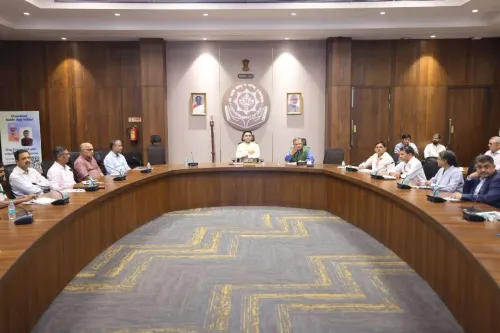
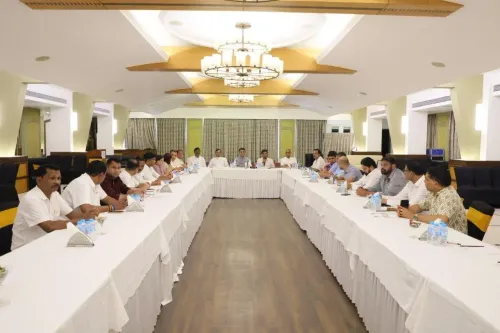
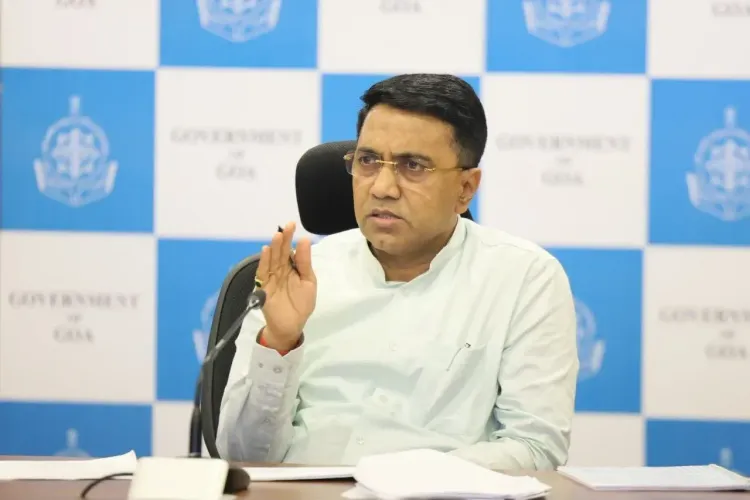
Goa Chief Minister Pramod Sawant chaired a coordination meeting at Porvorim on 28 July 2026, finalising a 3-year roadmap under Nasha Mukt Bharat Abhiyan to intensify enforcement, expand OPD de-addiction facilities in North and South Goa, and deploy mobile rehabilitation units by 2029.
Key Takeaways
Chief Minister Pramod Sawant chaired the meeting at Porvorim on 28 July 2026 to finalise the 2026–2029 Nasha Mukt Bharat Abhiyan roadmap for Goa.
Enforcement agencies were directed to intensify surveillance against narcotics immediately.
The government will identify and partner with NGOs working in drug rehabilitation across the state.
Government de-addiction facilities at the OPD level will be expanded in both North and South Goa .
Mobile units for drug awareness, counselling, and rehabilitation will be deployed to reach underserved communities.
The Education and Social Welfare Departments lead awareness campaigns; the Health Department leads rehabilitation and treatment enhancement.
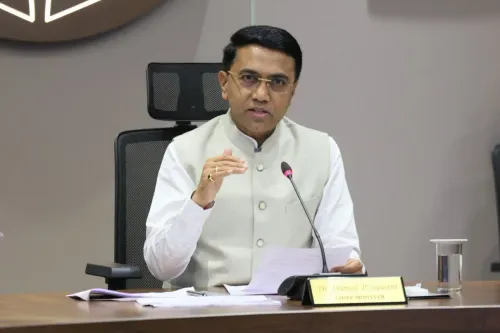
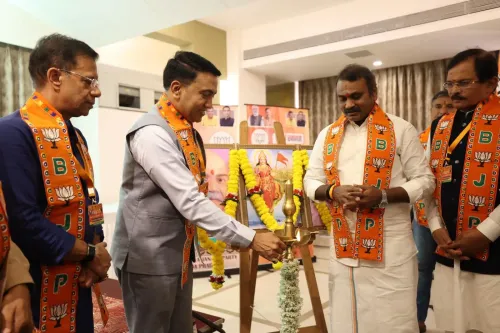
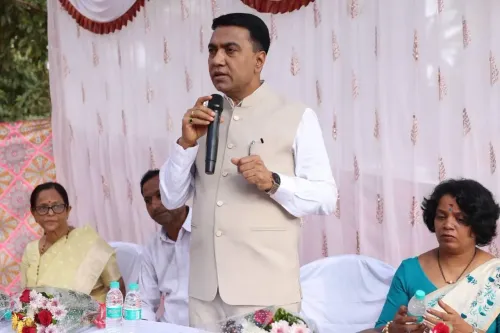
Goa is drawing a harder line against drugs. Chief Minister Pramod Sawant on Tuesday, 28 July 2026, chaired a high-level coordination meeting at Porvorim to chart a three-year roadmap under the Nasha Mukt Bharat Abhiyan — a whole-of-government push to make the state drug-free by 2029.
What the 3-Year Roadmap Commits To
The meeting was not a routine review. Sawant directed enforcement agencies to intensify surveillance immediately, while simultaneously resolving to expand the state's softer, rehabilitative arm. The government committed to identifying and supporting NGOs working in drug rehabilitation, expanding government de-addiction facilities at the OPD level across both North and South Goa, and deploying mobile units for drug awareness, counselling, and rehabilitation — bringing services directly to communities rather than waiting for addicts to walk through clinic doors.
The Education and Social Welfare Departments have been tasked with strengthening awareness campaigns. The Health Department will lead enhancements in rehabilitation and treatment services. The architecture is deliberate: enforcement cracks down on supply, while health and education agencies work the demand side.
Goa's Specific Drug Challenge
Goa's narcotics problem carries a geography that most other states don't. A booming tourism economy, a long coastline, and cross-border flows have made the state a persistent pressure point in India's anti-narcotics map. The Nasha Mukt Bharat Abhiyan, launched nationally in August 2020 by the Ministry of Social Justice and Empowerment, was designed precisely to give states like Goa a framework — pairing punitive enforcement with prevention and community-level rehabilitation.
Sawant explicitly anchored the state's commitment to the vision of Union Home Minister Amit Shah, framing the roadmap as Goa's contribution to a national mission rather than a standalone state initiative.
Mobile Units and OPD Expansion: The Ground-Level Bet
The most operationally significant commitments are the mobile units and the OPD-level facility expansion. Mobile outreach closes the access gap — addicts in remote or stigmatised communities rarely self-present at hospitals. Expanding de-addiction services to the OPD level in both districts means treatment becomes a routine healthcare touchpoint, not a last-resort admission. Together, these moves signal a shift from purely punitive thinking toward a public-health model of narcotics control.
The rollout of these facilities, the NGO partnerships, and the mobile unit deployment across Goa's districts will be the real test of whether the 2026–2029 roadmap delivers on its ambition — or remains a well-intentioned blueprint.
Point of View
Sawant is aligning Goa's local policy with BJP's central governance narrative on internal security. The emphasis on mobile units and OPD-level access is particularly significant for a coastal tourism state where drug vulnerability is diffuse and stigma-linked. Whether the 2026–2029 commitments translate into funded, operational facilities will determine if this is a genuine public-health pivot or a well-staged coordination exercise.
NationPress
29 Jul 2026
Frequently Asked Questions
What is the Nasha Mukt Bharat Abhiyan?
The Nasha Mukt Bharat Abhiyan is a national campaign launched in August 2020 by India's Ministry of Social Justice and Empowerment to combat drug abuse through awareness, prevention, and rehabilitation programmes across all states.
What did Goa CM Pramod Sawant announce at the Porvorim meeting?
CM Pramod Sawant finalised a 3-year roadmap (2026–2029) committing to intensified enforcement, OPD-level de-addiction facility expansion in North and South Goa, mobile rehabilitation units, and NGO partnerships for drug rehabilitation.
What is the Nasha Mukt Goa 2029 plan?
It is a three-year government roadmap under the Nasha Mukt Bharat Abhiyan, running from 2026 to 2029, combining stricter narcotics enforcement with expanded health services, mobile outreach units, and community awareness campaigns across Goa.
Which departments are responsible for Goa's anti-drug campaign?
The Education and Social Welfare Departments are leading awareness campaigns, while the Health Department is tasked with enhancing rehabilitation and treatment services under the new roadmap.
Why does Goa face a specific drug problem compared to other states?
Goa's large tourism economy, long coastline, and cross-border movement have historically made it vulnerable to narcotics trafficking and consumption, requiring targeted state-level interventions on top of national programmes.