CM Sawant Defends Electoral Roll SIR as Decades-Old Practice
Synopsis
Goa CM Pramod Sawant defends the Special Intensive Revision of electoral rolls by citing 14 similar exercises since 1952, arguing the process is a decades-old, bipartisan mechanism to keep voter lists accurate amid migration and urbanisation.
Key Takeaways
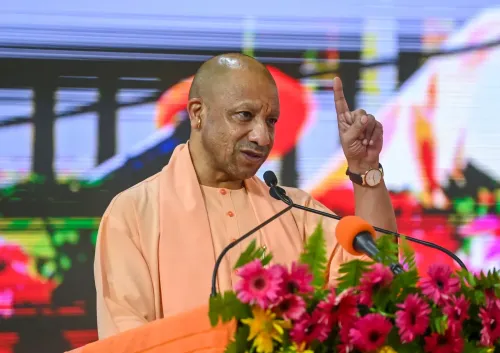
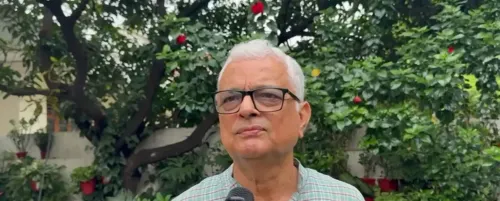
Goa CM Pramod Sawant posted a detailed defence of the ongoing Special Intensive Revision (SIR) of electoral rolls on October 5, 2026 .
Intensive electoral roll revisions have been conducted in 14 separate exercises since 1952 , spanning seven decades and multiple governments.
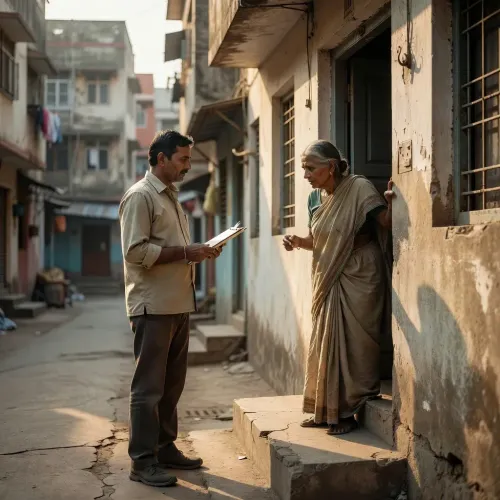
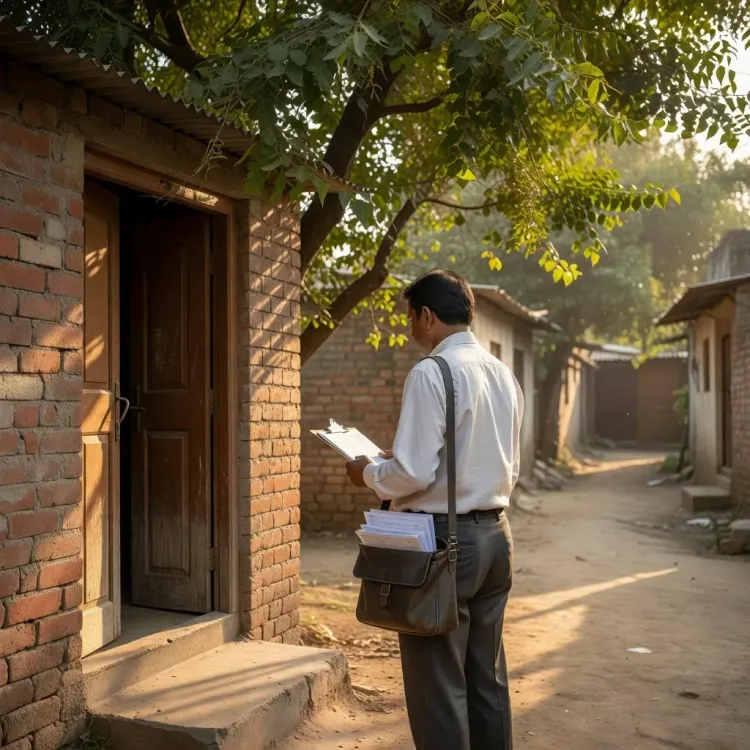
The SIR involves door-to-door verification , distribution and collection of enumeration forms, and scrutiny of voter records.
Key factors requiring periodic revision include urbanisation, migration, new voters turning 18, deaths , change of residence, and multi-location registrations.
Sawant frames the core objective as ensuring every eligible citizen is on the roll and no eligible voter is excluded — 'fundamental to a healthy democracy.' The post implicitly rejects criticism of the current SIR by anchoring it in a bipartisan, multi-decade electoral tradition.
Seven decades of Indian electoral history — that is the argument Goa Chief Minister Pramod Sawant reached for on Monday, October 5, 2026, to defend the ongoing Special Intensive Revision (SIR) of electoral rolls, calling it 'the next step in this long-standing electoral process' rather than any novel intervention.
A timeline that stretches back to 1952
CM Sawant's post lays out a precise historical chain: deep or intensive revisions of electoral rolls have been conducted in 1952–56, 1957, 1961, 1965, 1966, 1983–84, 1987–89, 1992, 1993, 1995, 2002, 2003 and 2004. That is fourteen distinct exercises spanning seven decades, each carried out under different Chief Election Commissioners and different governments at the Centre. The point is deliberate — no single party or administration owns this process. It predates most modern political formations entirely.
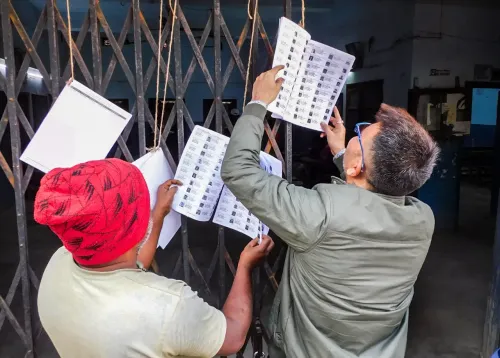
Each of those exercises involved the same core mechanics that the current SIR employs: door-to-door verification by booth-level officers, distribution and collection of enumeration forms, and scrutiny of voter records for accuracy and duplication.
Why rolls drift — and why that matters
Sawant's post identifies four structural forces that erode roll accuracy over time: rapid urbanisation, internal migration, new voters turning 18, deaths, change of residence, and multi-location registrations. These are not exceptional events — they are the normal churn of a population of 1.4 billion people moving, ageing, and relocating continuously.
The consequence of unchecked drift is a roll that either excludes eligible voters or carries phantom entries — both of which distort democratic representation. 'Every eligible citizen should be on the electoral roll, and no eligible voter should be left out,' Sawant writes, framing accuracy as the foundational compact of democracy, not a bureaucratic nicety.
The political context behind the defence
Sawant's post reads as a direct rebuttal to critics who have characterised the current SIR as an unusual or partisan exercise. By anchoring it in a bipartisan, multi-decade lineage — one that ran through Congress-led governments as much as BJP-led ones — he is contesting the framing rather than the facts of the revision itself. The argument is essentially procedural: if the same tool was acceptable across seven decades and multiple political regimes, the objection must be to its outcome, not its existence.
Whether that argument closes the debate or simply moves it is the real question Indian democracy will now have to answer.
Point of View
He denies opponents the frame that the current SIR is aberrant or targeted. This is standard BJP crisis-communication playbook — procedural legitimacy over substance of criticism. The deeper policy question his post sidesteps is whether the scale, speed, or ground-level implementation of the current SIR differs meaningfully from its predecessors — and that is precisely the terrain where the actual political battle will be fought.
NationPress
6 Oct 2026
Frequently Asked Questions
What is Special Intensive Revision (SIR) of electoral rolls?
SIR is a comprehensive, door-to-door exercise to verify and update electoral rolls by adding eligible new voters, removing deceased or shifted voters, and correcting duplicate registrations. India has conducted similar intensive revisions at least 14 times since 1952.
Why is the Special Intensive Revision being done in 2026?
Rapid urbanisation, internal migration, new voters turning 18, deaths, and multi-location registrations continuously erode the accuracy of electoral rolls. The SIR is designed to correct these gaps and ensure every eligible citizen is registered.
Has India done intensive electoral roll revision before?
Yes. Intensive revisions were carried out in 1952–56, 1957, 1961, 1965, 1966, 1983–84, 1987–89, 1992, 1993, 1995, 2002, 2003, and 2004 — under different Chief Election Commissioners and both Congress and BJP-led governments.
What does the SIR process involve?
The SIR involves door-to-door verification by officials, distribution and collection of enumeration forms from households, and review of existing voter records to identify errors, deletions, and additions.
Why did Goa CM Pramod Sawant post about the electoral roll revision?
CM Sawant's post appears to be a response to criticism of the ongoing SIR, arguing it is a long-standing, politically neutral process that has been used by governments across the ideological spectrum for seven decades.