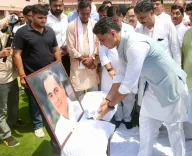
CM Sawant Flags Harvalem as Goa's Solar Self-Reliance Model
Synopsis
On Indian Akshay Urja Diwas, Goa CM Pramod Sawant highlighted Harvalem Village's rapid rooftop solar adoption under PM Surya Ghar: Muft Bijli Yojana, positioning it as a model Swayampurna Solar Village driving Goa's clean energy ambitions.
Key Takeaways
Goa CM Pramod Sawant spotlighted Harvalem Village in North Goa as a model 'Swayampurna Solar Village' on Indian Akshay Urja Diwas, 20 August .
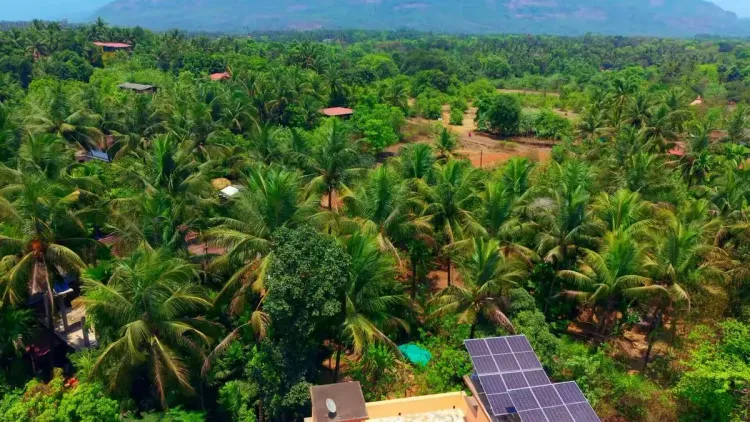
Between 70 and 80 rooftop solar panels have already been installed in Harvalem under the central PM Surya Ghar: Muft Bijli Yojana .
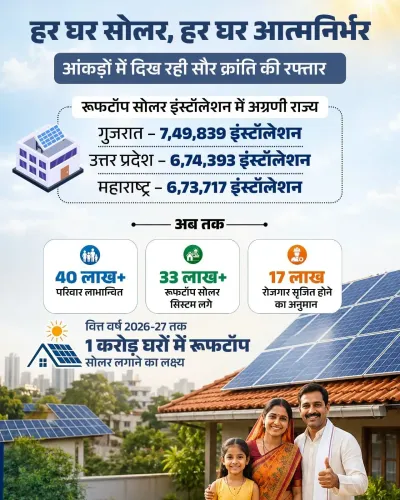
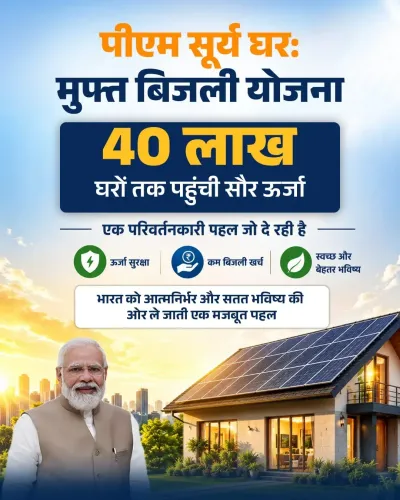
PM Surya Ghar: Muft Bijli Yojana , launched in February 2024 , targets one crore household rooftop solar installations across India with central subsidies.
Harvalem's solar push is part of Goa's Swayampurna Village programme (launched ~ 2022 ), which aims for local self-reliance in energy, water, and governance.
India has pledged 500 GW of non-fossil fuel capacity by 2030 ; village-level solar pilots are a key delivery mechanism for that target.
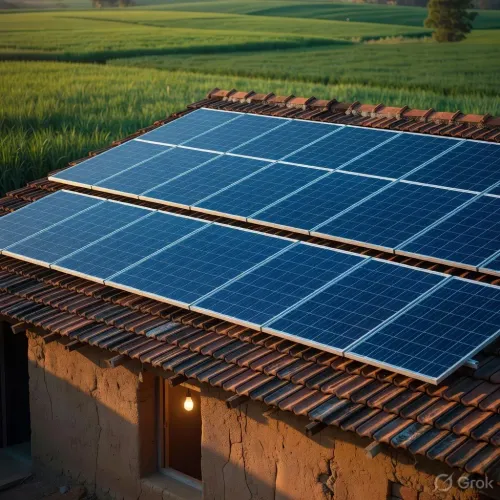
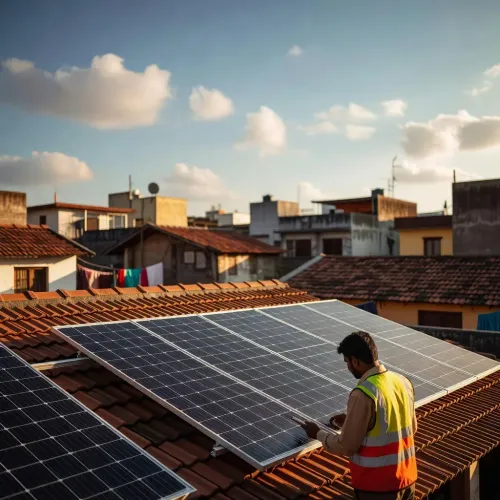
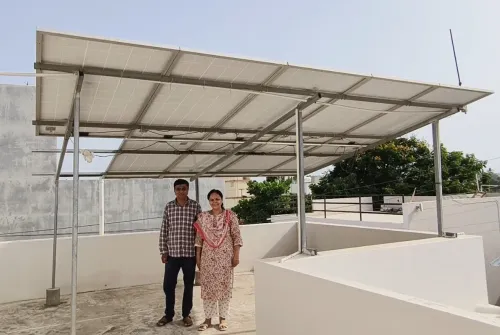
A village in North Goa is quietly rewriting what energy independence looks like at the grassroots. On Indian Akshay Urja Diwas, 20 August, Goa Chief Minister Pramod Sawant spotlighted Harvalem Village as a rising model of solar self-sufficiency, with between 70 and 80 rooftop solar panels already installed under the central government's flagship PM Surya Ghar: Muft Bijli Yojana.
Sawant framed the development within Goa's broader Swayampurna Goa programme, calling Harvalem a 'Swayampurna Solar Village' — a community moving toward self-reliance not just in governance and water, but in the energy powering its homes. 'Let us celebrate the power of the sun and take another step towards a Green, Clean and Swayampurna Goa,' he wrote, tying the village milestone to the national observance.
How PM Surya Ghar is reaching Harvalem's rooftops
Launched by the Government of India in February 2024, PM Surya Ghar: Muft Bijli Yojana targets one crore household rooftop solar installations nationwide, offering subsidies that dramatically reduce the upfront cost of going solar. Sawant specifically highlighted the 'simple registration process' as a driver of adoption in Harvalem — suggesting that ease of access, not just financial incentive, is pulling households in. The scheme plugs directly into Goa's own Swayampurna Village programme, rolled out around 2022 to push local self-sufficiency across energy, water, and governance. The combination of central subsidy and state-level mission architecture is what makes Harvalem's trajectory worth watching: it is a test case for how layered policy can accelerate distributed solar generation in small communities.Akshay Urja Diwas and India's 500 GW deadline
Indian Akshay Urja Diwas has been observed every 20 August since 2004, led by the Ministry of New and Renewable Energy as an annual marker of the country's renewable energy progress. This year's observance lands at a pointed moment: India has committed to 500 GW of non-fossil fuel capacity by 2030 under its updated Nationally Determined Contributions, and village-level solar pilots like Harvalem are part of how that number gets built — one rooftop at a time. States across India are running similar pilots, integrating central subsidies with local self-reliance frameworks to push distributed generation into rural and semi-urban areas. Goa's Swayampurna Solar Village model is a small but concrete expression of that national pattern. If Harvalem's early momentum holds, the question for Goa's next budget cycle is whether the state doubles down with dedicated solar targets for 2026–27 — and how many more villages follow Harvalem into the sunlight.Point of View
But the framing as a 'model village' signals an intent to replicate — the real story will be whether Goa's 2026–27 budget backs that ambition with dedicated solar targets. For the BJP, distributed solar adoption in Goa's villages also serves a dual purpose: advancing India's 500 GW renewable commitment while demonstrating governance delivery at the panchayat level ahead of any electoral cycle.
NationPress
20 Aug 2026
Frequently Asked Questions
What is PM Surya Ghar Muft Bijli Yojana and how does it work in Goa?
PM Surya Ghar: Muft Bijli Yojana is a central government scheme launched in February 2024 that provides subsidies for rooftop solar panel installation, enabling households to generate free electricity. In Goa, it is being implemented alongside the state's Swayampurna Village programme, with Harvalem Village among the early adopters.
What is Swayampurna Goa and what does it aim to achieve?
Swayampurna Goa is a state government initiative launched around 2022 to make Goa's villages self-reliant across energy, water, and local governance. The programme now includes a solar component, with villages like Harvalem being designated as 'Swayampurna Solar Villages.'
What is Indian Akshay Urja Diwas and when is it observed?
Indian Akshay Urja Diwas is a national renewable energy awareness day observed every 20 August, led by the Ministry of New and Renewable Energy. It has been marked annually since 2004 to highlight India's progress in clean and sustainable energy.
How many solar panels have been installed in Harvalem Village?
According to Goa CM Pramod Sawant's post, between 70 and 80 rooftop solar panels have been installed in Harvalem Village under the PM Surya Ghar: Muft Bijli Yojana scheme.
What is India's renewable energy target by 2030?
India has committed to achieving 500 GW of non-fossil fuel electricity capacity by 2030 under its updated Nationally Determined Contributions submitted to the United Nations Framework Convention on Climate Change.