CM Sawant flags off Goa's first iron ore dump ops at Pale
Synopsis
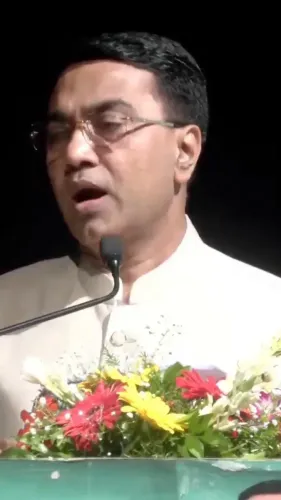
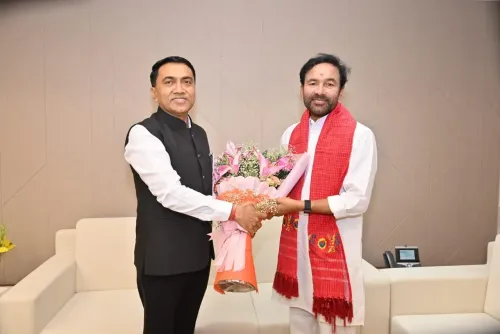
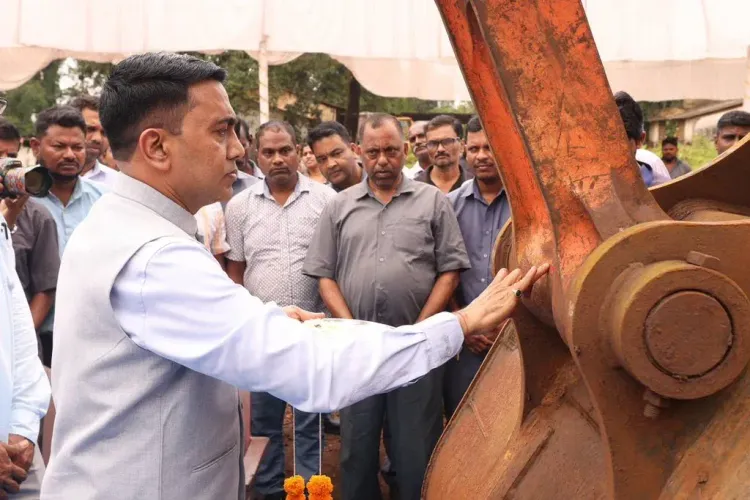
Goa Chief Minister Pramod Sawant has announced the commencement of Chowgule's iron ore dump operations at Pale — the first site operationalised under the Goa Policy for Regulating Iron Ore Dump Handling, 2023 — marking a significant step in the state's post-2012 mining revival effort.
Key Takeaways
Chowgule has commenced operations at the Pale iron ore dump in North Goa.
Pale is the first dump site to be activated under the Goa Policy for Regulating Iron Ore Dump Handling, 2023 .
The policy targets existing mineral dumps from past leases, not fresh excavation, navigating the Supreme Court's 2012 mining suspension.
Expected benefits include employment generation, support for local businesses, and state revenue contribution.
Operations are required to comply with strict environmental and statutory safeguards under the 2023 framework.
Additional dump sites are expected to be rolled out under the same policy as implementation progresses.
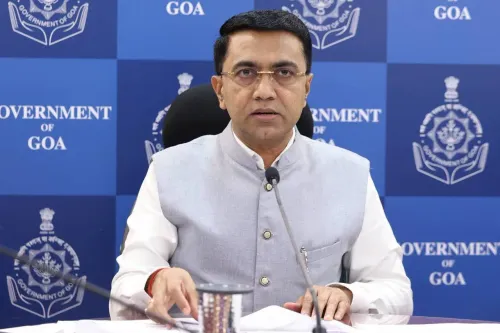
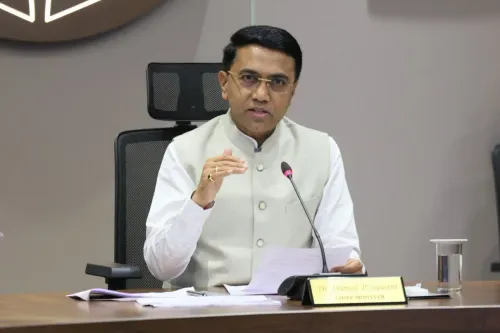
After more than a decade of regulatory paralysis, Goa's mining sector just turned a new page. Goa Chief Minister Pramod Sawant announced on Thursday, 24 September 2026, that Chowgule's operations have commenced at the Pale iron ore dump — the first site to be operationalised under the Goa Policy for Regulating Iron Ore Dump Handling, 2023.
What the 2023 dump policy actually does
The 2023 policy was designed specifically to unlock mineral wealth that already exists above ground — iron ore left behind in dumps from earlier mining leases — without opening fresh excavation. This is a critical legal and political distinction. Goa's iron ore mining was suspended by the Supreme Court in 2012 after findings of large-scale illegal extraction and serious environmental damage. Every subsequent attempt to restart the sector has had to navigate that judicial history.
By targeting existing dumps rather than fresh ore bodies, the policy sidesteps the most contentious legal ground. The framework promises 'transparent and regulated' handling, with strict environmental and statutory compliance built in — a direct response to the governance failures that triggered the 2012 ban.
Pale, Chowgule, and what this unlocks
Pale, located in North Goa, hosts one of the state's major dump concentrations — accumulated stockpiles from decades of extraction activity. Chowgule, a Goa-based mining company with long operational roots in the state's iron ore industry, is the first firm to receive the green light under the new framework.
Sawant listed the expected downstream effects: economic activity, local employment, support for ancillary businesses, and revenue flowing back to the state exchequer. All of these matter acutely in a state whose finances were significantly dented when mining revenues dried up after 2012.
A sector trying to rebuild credibility
Goa's mining story has been defined by boom, scandal, and court-ordered halt. The challenge now is demonstrating that the 2023 policy's compliance architecture is real, not cosmetic. Environmental groups and local communities near Pale will be watching whether the 'strict safeguards' Sawant invokes hold up once operations scale.
The rollout of additional dump sites under the same policy — and the quality of environmental monitoring data the government publishes — will determine whether this milestone becomes a genuine turning point or another stalled chapter.
One dump site, one company, one commencement — but the signal Goa's government is sending to the mining sector is unmistakable: the framework is live, and the clock has started.
Point of View
The BJP-led administration threads the needle between economic imperatives and the Supreme Court's environmental mandate, building a regulatory track record that could justify broader expansion later. The real test, however, is enforcement: if environmental compliance proves credible and revenue figures are published transparently, the 2023 policy could become a template for other mineral-rich states grappling with similar boom-and-bust legacies. If not, it risks repeating the governance cycle that produced the 2012 crisis.
NationPress
24 Sept 2026
Frequently Asked Questions
What is the Goa Policy for Regulating Iron Ore Dump Handling 2023?
It is a state government framework that allows mining companies to process and utilise iron ore left behind in surface dumps from earlier mining operations, without opening new excavation sites. It mandates transparent operations and strict environmental compliance.
Why was Goa's iron ore mining suspended in 2012?
The Supreme Court suspended all iron ore mining in Goa in 2012 after finding evidence of large-scale illegal extraction and significant environmental damage, effectively halting the sector that had been a major source of state revenue.
Who is Chowgule and what is their role at Pale?
Chowgule is a long-established Goa-based mining company. It has become the first operator to commence iron ore dump handling at the Pale site under the 2023 policy, marking the inaugural activation of the new regulatory framework.
Where is the Pale iron ore dump located?
Pale is a mining area in North Goa that hosts one of the state's significant iron ore dump concentrations, accumulated over decades of earlier extraction activity.
What economic benefits does Goa expect from dump handling operations?
The Goa government expects the initiative to generate local employment, support ancillary businesses, stimulate economic activity in mining areas, and contribute revenue to the state exchequer — helping offset losses sustained since the 2012 suspension.