CM Sawant Hails India-UK FTA as It Enters into Force
Synopsis
Goa Chief Minister Pramod Sawant on 15 July 2026 hailed the India-UK Free Trade Agreement entering into force, describing it as opening new opportunities and avenues. The deal, years in the making since its 2022 launch, is a flagship of India's post-RCEP bilateral trade strategy and the UK's post-Brexit diversification push.
Key Takeaways
The India-UK Free Trade Agreement entered into force on 15 July 2026 , confirmed by Goa CM Pramod Sawant via an X post.
Negotiations were formally launched in January 2022 between PM Narendra Modi and then-UK PM Boris Johnson .
The FTA covers goods, services, and investments , with key sectors including pharmaceuticals, textiles, and financial services.
The deal is part of India's broader bilateral FTA push that also included agreements with the UAE and Australia in 2022 .
For the UK , the agreement is a cornerstone of its post-Brexit trade diversification strategy.
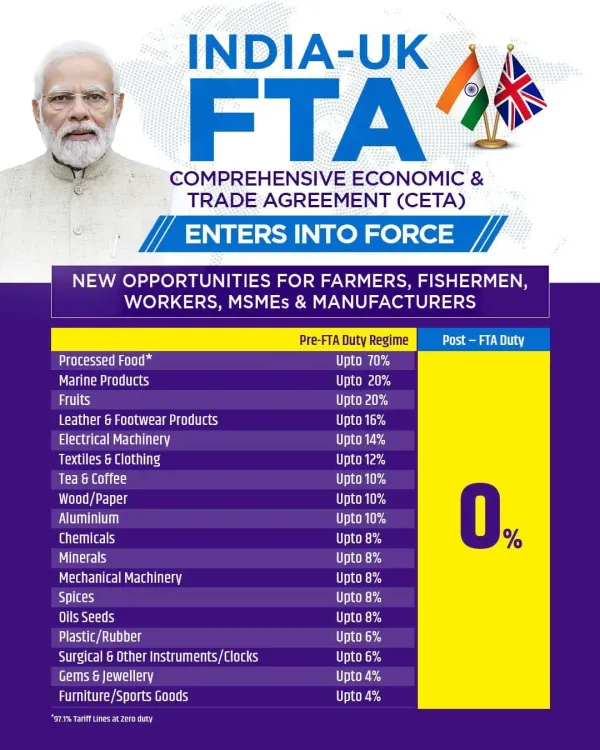
Detailed tariff schedules and phased implementation timelines are the next critical milestones to watch.
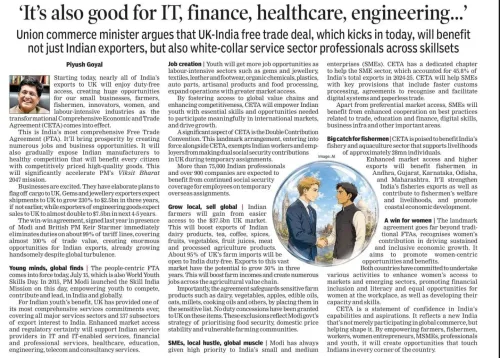
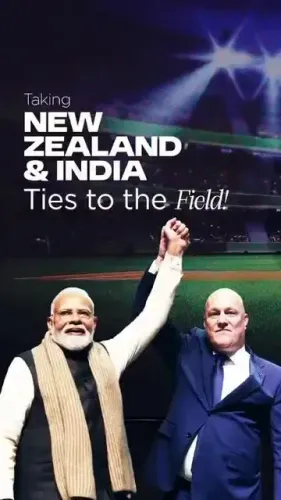
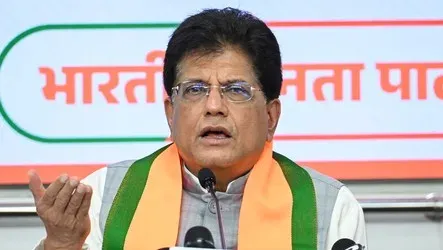
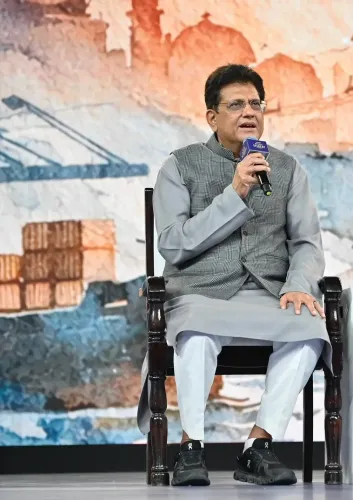
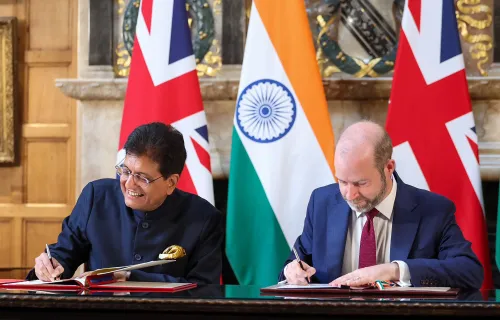
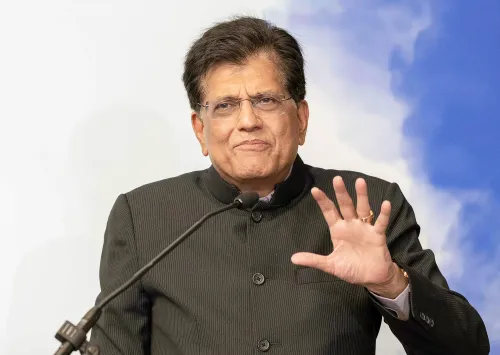
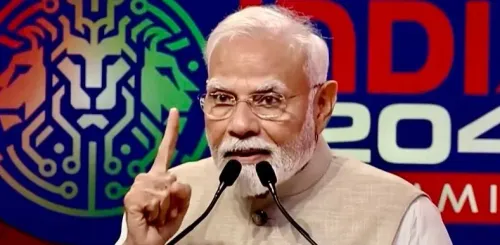
Goa Chief Minister Pramod Sawant on Wednesday, 15 July 2026, welcomed the entry into force of the India-UK Free Trade Agreement, calling it a milestone that opens 'new opportunities, new avenues, immense possibilities' for both nations. The post, shared on X with four images, signals broad political endorsement of the landmark bilateral deal across India's ruling establishment.
Context
The India-UK FTA marks one of the most consequential bilateral trade agreements India has concluded since it withdrew from the Regional Comprehensive Economic Partnership (RCEP) in 2019. Negotiations were formally launched in January 2022 during a virtual summit between Prime Minister Narendra Modi and then-UK Prime Minister Boris Johnson, setting in motion years of technical rounds covering goods, services, and investments.
For the United Kingdom, the deal represents a centrepiece of its post-Brexit trade diversification strategy, as London has sought to deepen economic ties with large, fast-growing economies outside the European single market. India, with its expanding middle class and manufacturing ambitions, was a natural priority partner.
Policy Backdrop
The India-UK FTA fits into a broader pattern of India's bilateral trade push. New Delhi concluded free trade agreements with the UAE and Australia in 2022, while continuing parallel negotiations with the European Union and the European Free Trade Association (EFTA). Each deal has been positioned as a building block of India's ambition to integrate more deeply with global supply chains on its own terms.
Sectors such as pharmaceuticals, textiles, and financial services are expected to be among the primary beneficiaries, given India's established export strengths and the UK's demand profile. Rules of origin provisions and phased tariff reduction schedules will determine how quickly those gains materialise for exporters and investors on both sides.
Stakeholders and Impact
Indian exporters — particularly in labour-intensive industries such as garments, gems and jewellery, and engineering goods — stand to gain from improved market access to the United Kingdom, one of Europe's largest consumer markets. UK investors and financial services firms are similarly positioned to benefit from liberalised entry into India's services sector.
Goa, though a small state by area, has a significant stake in trade-linked growth through its tourism, pharmaceutical, and mining-linked export economy. CM Sawant's public endorsement underscores that state-level leaders view the FTA's implementation as directly relevant to local economic opportunity.
What's Next
Attention now shifts to the publication of detailed tariff schedules, rules of origin, and sector-specific implementation timelines. Businesses and trade bodies on both sides will scrutinise these documents to assess the pace and depth of market opening. Phased timelines are common in such agreements, meaning the full economic impact will unfold over several years rather than immediately upon entry into force.
The India-UK FTA's operationalisation could also lend momentum to India's ongoing negotiations with other major partners, reinforcing New Delhi's positioning as a confident, deal-ready trading nation in a fragmented global trade environment.
Point of View
It is also a political win — a tangible deliverable on Prime Minister Modi's promise to negotiate trade on India's terms. CM Sawant's endorsement reflects how the ruling party is mobilising state-level voices to amplify national-level achievements ahead of the electoral cycle. The real test, however, lies in implementation: whether tariff reductions and rules-of-origin frameworks translate into measurable gains for Indian exporters and UK investors will define the FTA's legacy.
NationPress
15 Jul 2026
Frequently Asked Questions
What is the India-UK Free Trade Agreement?
The India-UK Free Trade Agreement is a bilateral trade pact covering goods, services, and investments between India and the United Kingdom. Negotiations were launched in January 2022 and the agreement entered into force on 15 July 2026.
When did the India-UK FTA come into effect?
The India-UK FTA entered into force on 15 July 2026, as confirmed by official announcements and welcomed publicly by leaders including Goa Chief Minister Pramod Sawant.
Which sectors benefit most from the India-UK FTA?
Pharmaceuticals, textiles, gems and jewellery, engineering goods, and financial services are among the sectors expected to benefit most, given India's export strengths and the UK's market profile.
Why did India pursue a bilateral FTA with the UK?
After withdrawing from the Regional Comprehensive Economic Partnership in 2019, India shifted to bilateral agreements. The UK, seeking post-Brexit trade partners, made India a priority, and formal talks began in January 2022.
What does the India-UK FTA mean for Indian exporters?
Indian exporters in labour-intensive and high-value sectors such as textiles and pharmaceuticals stand to gain improved market access to the UK. The full benefit will depend on phased tariff reduction schedules and rules-of-origin provisions yet to be fully detailed.