CM Bhajan Lal bets on Makrana marble for jobs, global reach
Synopsis
Rajasthan CM Bhajan Lal Sharma has pledged to give Makrana marble — the stone used in the Taj Mahal — a global identity and new employment opportunities for artisans and youth, aligning with PM Modi's vision for heritage-linked economic growth.
Key Takeaways
Rajasthan CM Bhajan Lal Sharma pledged on 25 October 2026 to promote Makrana marble as a global brand.
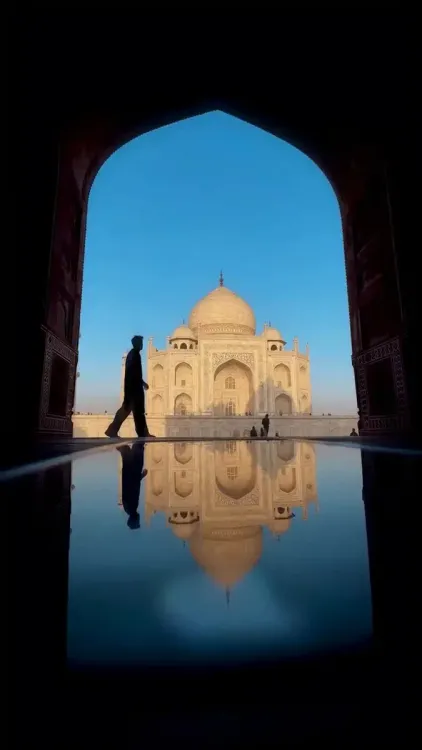
Makrana , in Nagaur district , supplied the white marble used to build the Taj Mahal in 1653 .
The commitment targets artisan welfare, youth employment, and broader state economic growth.
The push is framed as being under the guidance of PM Narendra Modi , aligning state heritage goals with central government priorities.
Possible follow-on measures include skill-training schemes, export facilitation, and artisan welfare programmes — though none have been announced yet.
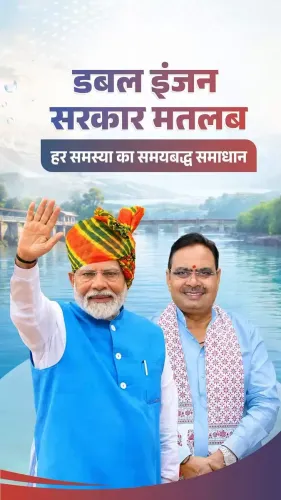
The same white stone that built the Taj Mahal could soon anchor Rajasthan's next employment push — that is the bet Rajasthan Chief Minister Bhajan Lal Sharma is placing as he pledges to take Makrana marble from a centuries-old heritage asset to a globally recognised industry on Sunday, 25 October 2026.
Posting in Hindi on X, CM Sharma wrote: 'राजस्थान की माटी में हमारी संस्कृति, पुरखों का हुनर और पीढ़ियों की मेहनत बसती है।' ('The soil of Rajasthan holds our culture, the skill of our ancestors, and the labour of generations.') He called Makrana marble a symbol of this 'glorious heritage' and committed his government — under the guidance of Prime Minister Narendra Modi — to giving it a 'new identity and global expansion', so that artisans receive their due respect, youth find new employment avenues, and the state economy gains fresh strength.
Why Makrana marble carries so much weight
Makrana, a town in Nagaur district, has been quarrying its distinctive white marble for centuries. Its most famous commission: the Taj Mahal, completed in 1653 in Agra — a monument now synonymous with India's identity worldwide. That single historical fact gives Makrana marble a provenance that almost no other building material on earth can match, and it is precisely this story that Sharma wants to convert into modern economic leverage.
Yet the community that keeps that story alive — the artisans and quarry workers of Nagaur — has not always seen the wealth that the marble's fame might imply. Skill is passed down through families, but formal recognition, structured skilling programmes, and export pipelines have historically been uneven.
Heritage as an economic engine
The framing Sharma is deploying — cultural pride married to jobs and export growth — fits a broader pattern of Rajasthan BJP messaging that links the state's rich craft heritage to tangible economic outcomes. The state has significant potential: Rajasthan's marble and stone sector employs artisans across Nagaur, Jodhpur, and Jaipur districts, and Makrana's GI-tagged status gives it a ready platform for premium positioning in global markets.
The alignment with PM Modi's long-running push to preserve and promote traditional Indian crafts adds a national scaffolding to what is, at its core, a state-level economic ambition. Whether that translates into specific skill-training schemes, export facilitation corridors, or artisan welfare programmes is what to watch for in the coming weeks.
What artisans and Rajasthan's youth stand to gain
CM Sharma's post explicitly names two beneficiary groups: the craftspeople who shape the stone, and the youth who need new jobs. Both are politically and economically significant constituencies in a state where stone-quarrying communities are sizeable and youth unemployment remains a persistent concern. A coordinated push — linking GI branding, design innovation, and export market access — could, if delivered, turn a heritage industry into a growth sector rather than a museum exhibit.
Makrana marble built one of the world's great wonders. The question now is whether it can build a future for the hands that have always worked it.
Point of View
Sharma simultaneously signals loyalty to Delhi and positions himself as the executor of a national vision at the state level. The real test will be whether the rhetoric is followed by concrete schemes: GI branding leverage, export corridors, and artisan skilling programmes that have so far been more promise than pipeline. If delivered, it could make Rajasthan's stone sector a model for heritage-linked industrialisation across India.
NationPress
25 Oct 2026
Frequently Asked Questions
What is Makrana marble famous for?
Makrana marble, quarried in Nagaur district of Rajasthan, is world-famous for being the white stone used to build the Taj Mahal in Agra, completed in 1653. It is prized for its durability and distinctive pure-white colour.
What did CM Bhajan Lal Sharma say about Makrana marble?
CM Sharma pledged that his government, under PM Modi's guidance, will give Makrana marble a new global identity, ensure artisans receive proper recognition, open new employment avenues for Rajasthan's youth, and strengthen the state's economy.
Where is Makrana located?
Makrana is a town in Nagaur district in Rajasthan, India. It has been a centre of white marble quarrying for several centuries.
How does Makrana marble help Rajasthan's economy?
The marble sector employs a significant number of artisans and quarry workers across Rajasthan. With GI-tag status and global brand recognition tied to monuments like the Taj Mahal, Makrana marble has strong potential for premium export markets, which could generate substantial employment and revenue.
What schemes exist for Makrana marble artisans?
As of October 2026, no specific new state schemes have been officially announced. CM Sharma has signalled intent to support artisan welfare, skill training, and global market access, with details expected in coming policy announcements.