CM Shivakumar attends Kempegowda Jayanti event at Challeghatta
Synopsis
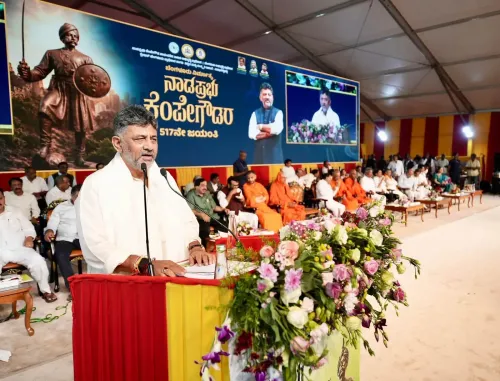
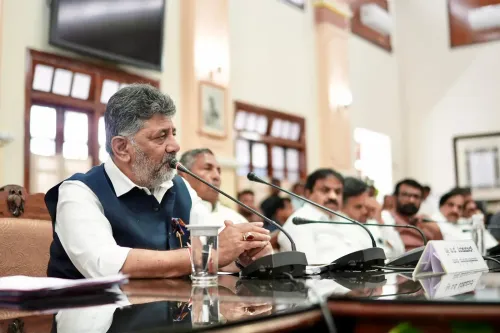
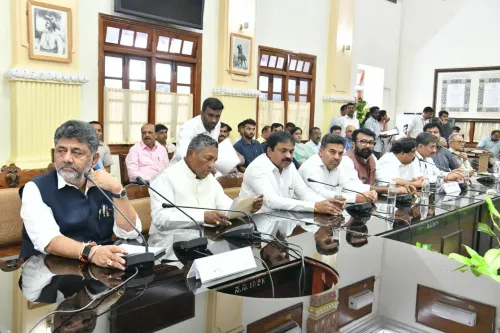
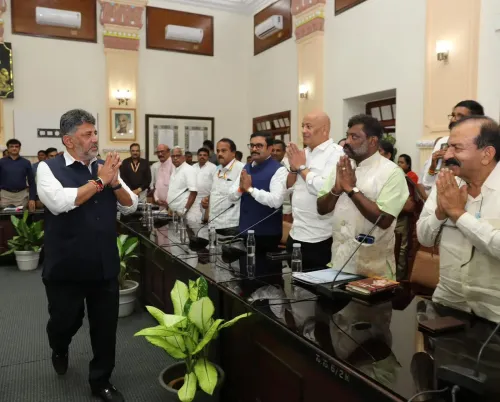
Chief Minister D.K. Shivakumar attended a grand Kempegowda Jayanti programme at Challeghatta on 27 June 2026, alongside Deputy CM G. Parameshwara, senior ministers, legislators, and religious leaders, to honour the 16th-century founder of Bengaluru.
Key Takeaways
Shivakumar attended the Kempegowda Jayanti celebrations at Challeghatta on 27 June 2026 .
Deputy Chief Minister Dr.
Parameshwara , ministers, legislators, and senior officials were also present at the event.
Four senior religious leaders, including Sri Shivaratri Deshikendra Swamiji and Sri Nirmalanandanatha Swamiji , graced the programme.
Nadaprabhu Kempegowda founded Bengaluru in 1537 and is credited with building the city's lakes, forts, and markets.
CM Shivakumar described Kempegowda as a 'far-sighted, efficient administrator and a statesman with a people-friendly personality.' Karnataka governments have consistently held official Kempegowda Jayanti programmes as part of cultural and political outreach to the Kannadiga community.
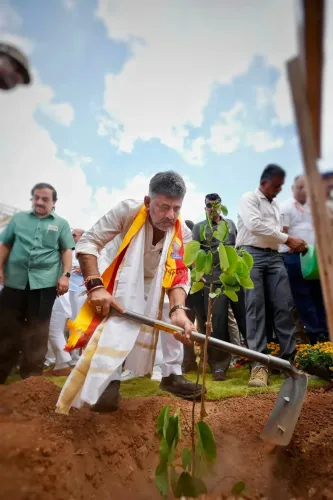
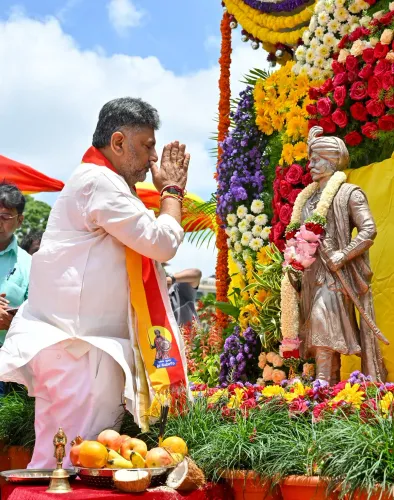
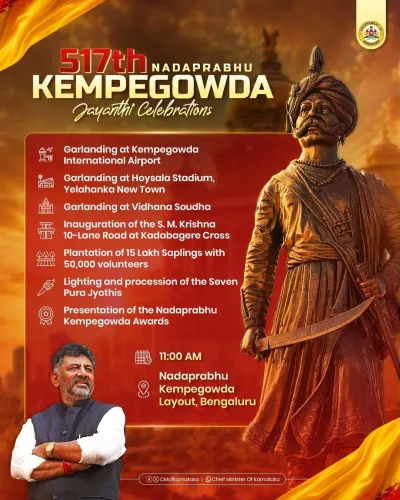
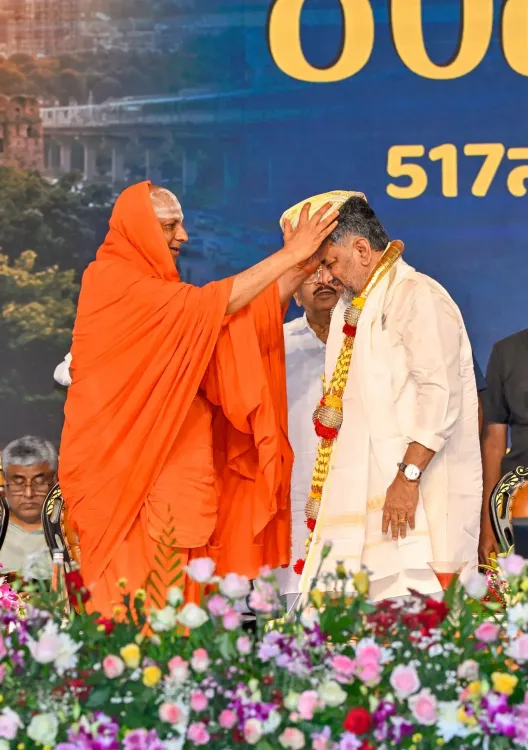
Chief Minister D.K. Shivakumar attended a grand ceremony at Challeghatta on Saturday, 27 June 2026 to mark the birth anniversary of Nadaprabhu Kempegowda, the 16th-century chieftain revered as the founder of Bengaluru, the Chief Minister's Office of Karnataka announced. The event brought together senior political leaders, religious heads, and prominent citizens to honour Kempegowda's life and enduring legacy.
Context
The Chief Minister's Office posted in Kannada that CM Shivakumar participated in the 'addhuri karyakrama' (grand programme) organised at Challeghatta on the occasion of Kempegowda Jayanti, where he recalled the achievements of the visionary chieftain. The post described Kempegowda as a 'far-sighted, efficient administrator and a statesman with a people-friendly personality.'
Among those present were Deputy Chief Minister Dr. G. Parameshwara, several cabinet ministers, legislators, senior officials, and prominent dignitaries. Religious figures including Poojya Sri Shivaratri Deshikendra Swamiji, Sri Nirmalanandanatha Swamiji, Sri Nanjavadhuta Swamiji, and Sri Nishchalanandanatha Swamiji also graced the occasion.
Policy Backdrop
Nadaprabhu Kempegowda, who founded Bengaluru in 1537, is credited with building the city's early lakes, forts, and markets — infrastructure that shaped the region's growth for centuries. His legacy is particularly significant in Karnataka's political and cultural discourse, where he is widely seen as the architect of what is now one of India's most important cities.
Karnataka governments across party lines have consistently organised official programmes on Kempegowda Jayanti, using the occasion to underscore local Kannadiga identity and administrative heritage. The attendance of both the Chief Minister and the Deputy Chief Minister at this year's Challeghatta event reflects the continued political and cultural weight the occasion carries.
Stakeholders and Impact
The celebrations hold deep resonance for Bengaluru's residents and the broader Kannadiga community, for whom Kempegowda represents civic pride and historical continuity. The presence of senior religious leaders alongside elected officials signals the event's significance beyond routine political ceremony.
Such Jayanti programmes also serve as platforms for reaffirming the state government's connection to Karnataka's regional identity, particularly at a time when Bengaluru's rapid urbanisation has intensified public interest in the city's historical roots and heritage conservation.
What's Next
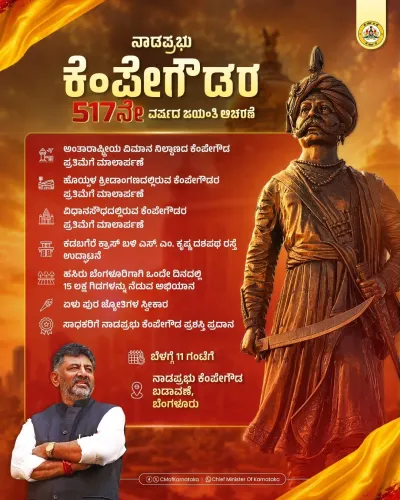
Observers will watch for any follow-up announcements from the Karnataka government on Bengaluru infrastructure projects or heritage conservation initiatives linked to Kempegowda's legacy. State governments have in the past used such commemorative events as occasions to announce schemes or allocations tied to the historical figure being honoured.
Point of View
Aligning with Kempegowda's legacy offers a culturally resonant signal to the Vokkaliga community and broader Kannadiga electorate. The pattern of cross-party participation in such events reflects a settled consensus in Karnataka politics that honouring regional icons is both a civic obligation and a strategic imperative. Any follow-up policy announcements tied to Bengaluru's heritage or infrastructure could amplify the political returns of this ceremonial investment.
NationPress
26 Sept 2026
Frequently Asked Questions
Who was Nadaprabhu Kempegowda?
Nadaprabhu Kempegowda was a 16th-century chieftain who founded Bengaluru in 1537. He is credited with building the city's early lakes, forts, and markets, and is widely revered as the architect of modern Bengaluru.
What is Kempegowda Jayanti?
Kempegowda Jayanti is the annual birth anniversary celebration of Nadaprabhu Kempegowda, the founder of Bengaluru. It is observed as an important cultural and civic occasion in Karnataka, often marked by official government programmes.
Where was the Kempegowda Jayanti 2026 event held?
The 2026 Kempegowda Jayanti celebrations were held at Challeghatta, a locality in Karnataka, where Chief Minister D.K. Shivakumar attended the grand programme.
Who attended the Kempegowda Jayanti event at Challeghatta?
Chief Minister D.K. Shivakumar and Deputy Chief Minister Dr. G. Parameshwara attended the event, along with cabinet ministers, legislators, senior officials, and several prominent religious leaders including Sri Shivaratri Deshikendra Swamiji.
What did CM Shivakumar do at the Kempegowda Jayanti programme?
CM D.K. Shivakumar participated in the grand ceremony at Challeghatta and recalled the life achievements of Nadaprabhu Kempegowda, describing him as a far-sighted administrator and statesman with a people-friendly personality.