CM Shivakumar Inaugurates ₹16.12 Cr Stormwater Drain in KR Puram
Synopsis
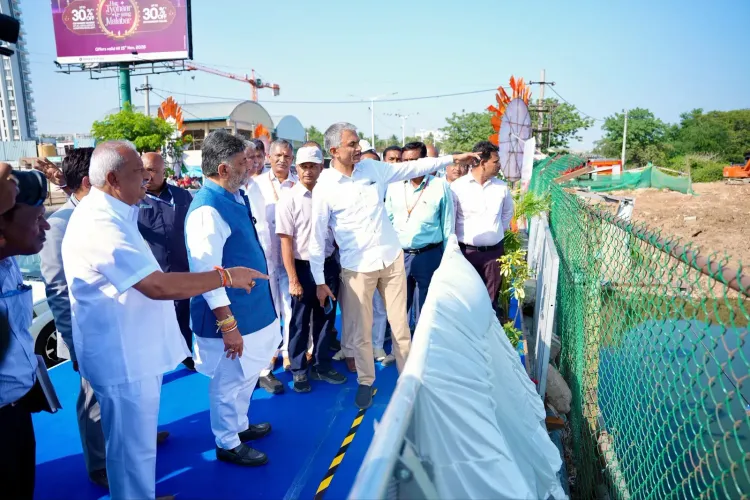
Chief Minister DK Shivakumar inaugurated a ₹16.12 crore stormwater drain at Geddalahalli in KR Puram, Bengaluru, featuring two new high-capacity vents across a railway line to reduce chronic monsoon waterlogging in the area.
Key Takeaways
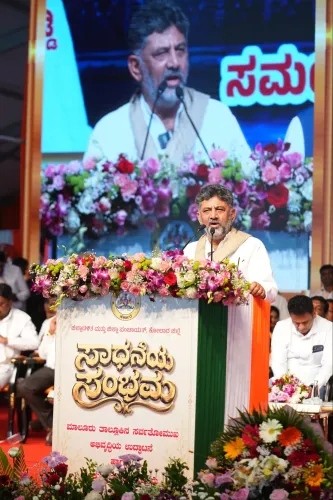
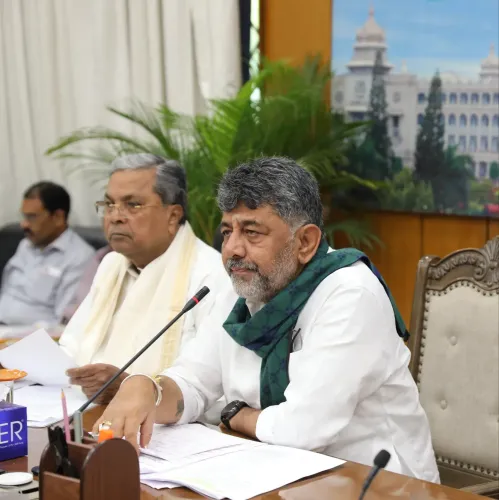
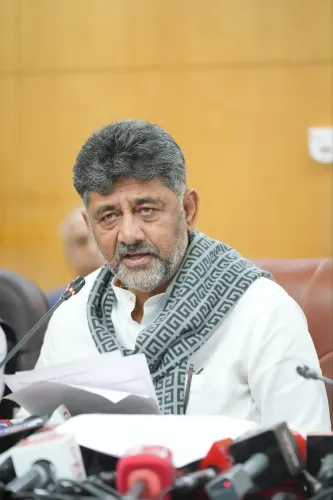
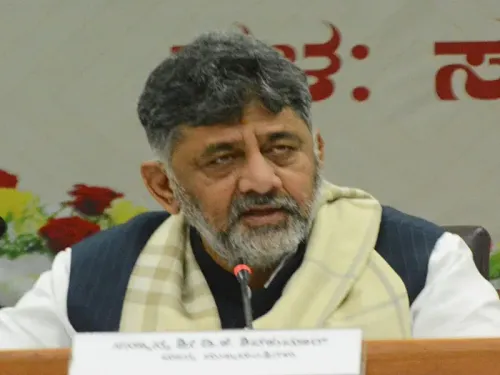
Chief Minister DK Shivakumar inaugurated the stormwater drain project at Geddalahalli, KR Puram on 18 November 2026 .
The project cost ₹16.12 crore and includes two new vents built across a railway track.
The new vents have a higher water-discharge capacity than the previous infrastructure they replace.
Areas set to benefit include Geddalahalli, Sai Layout , and surrounding neighbourhoods in eastern Bengaluru.
Urban Development Minister Krishna Byre Gowda and KR Puram MLA Bairathi Basavaraj were present at the inauguration.
The project is part of a broader, ongoing state push to upgrade stormwater infrastructure in flood-prone eastern and northern Bengaluru constituencies.
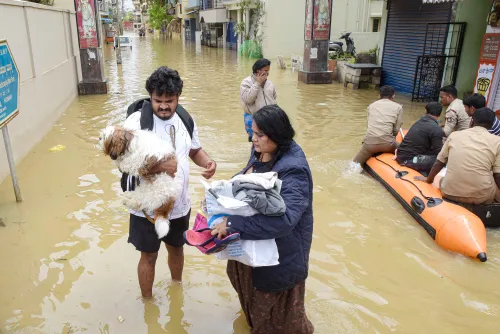
Every monsoon, Bengaluru's eastern neighbourhoods drown — not in rainfall alone, but in decades of infrastructure debt. On Wednesday, 18 November 2026, Chief Minister DK Shivakumar cut that debt a little shorter, inaugurating a new stormwater drain canal built across a railway track at Geddalahalli in the KR Puram assembly constituency.
The project, executed at a cost of ₹16.12 crore, involves the construction of two new vents beneath the railway line — engineered to carry a significantly higher volume of rainwater than the vents they replace. The Chief Minister's Office confirmed the upgrade will ease chronic waterlogging and flooding in Geddalahalli, Sai Layout, and surrounding low-lying pockets that have historically turned into urban lakes with the season's first heavy showers.
Why a Railway Crossing Was the Bottleneck
The railway embankment that cuts through this part of eastern Bengaluru has long acted as an inadvertent dam. When monsoon runoff built up faster than the old vents could discharge it, water backed up into residential streets, trapping commuters and damaging homes. The two new, wider vents are designed to break that bottleneck — letting accumulated stormwater pass through and drain downstream before it pools to dangerous levels.
Bengaluru's civic agencies have been executing incremental stormwater drain upgrades across flood-prone eastern and northern constituencies since the 2010s, as rapid urban growth consistently outpaced the drainage network laid down in earlier decades. KR Puram — a dense, fast-growing belt connecting the city's IT corridors to its residential hinterland — has ranked among the most affected zones.
Who Was on the Ground at Geddalahalli
Bengaluru Urban Development Minister Krishna Byre Gowda, who oversees the city's infrastructure portfolio, attended the inauguration alongside KR Puram MLA Bairathi Basavaraj and former corporator Wajid. Their joint presence signals that the project sits at the intersection of state-level urban development policy and local constituency accountability — both sides sharing the credit, and implicitly the responsibility, for delivery.
The real verdict, however, will not come from a ribbon-cutting. It will come during the 2027 monsoon, when the first sustained downpour tests whether the new vents perform as designed — and whether Geddalahalli's residents finally stay dry.
Point of View
The Congress government signals coordinated ownership of urban delivery — a priority in a city where voter frustration over monsoon chaos is acute. KR Puram's growth as an IT-adjacent residential belt makes visible flood-relief projects there doubly valuable, addressing both a civic need and a symbolically important constituency. The 2027 monsoon will be the unsparing auditor of whether the investment holds up.
NationPress
18 Nov 2026
Frequently Asked Questions
What is the stormwater drain project inaugurated by CM Shivakumar in KR Puram?
CM DK Shivakumar inaugurated a ₹16.12 crore stormwater drain canal at Geddalahalli in KR Puram, Bengaluru, featuring two new vents built across a railway line to improve rainwater discharge and reduce monsoon flooding.
How much did the Geddalahalli stormwater vent project cost?
The project was built at a cost of ₹16.12 crore and includes two new high-capacity vents designed to carry more stormwater than the older structures they replace.
Which areas will benefit from the new KR Puram stormwater drain?
The new vents are expected to ease waterlogging and flooding in Geddalahalli, Sai Layout , and surrounding localities in eastern Bengaluru during the monsoon season.
Why does KR Puram flood so often during the monsoon?
KR Puram is a rapidly urbanised, low-lying area in eastern Bengaluru where stormwater drainage capacity has struggled to keep pace with population growth. Railway embankments act as barriers that cause runoff to pool in residential areas.
Who attended the inauguration of the Geddalahalli drain project?
Besides CM DK Shivakumar, Bengaluru Urban Development Minister Krishna Byre Gowda , KR Puram MLA Bairathi Basavaraj , and former corporator Wajid were present at the event.