CM Shivakumar Reviews Backward Classes Welfare Dept
Synopsis
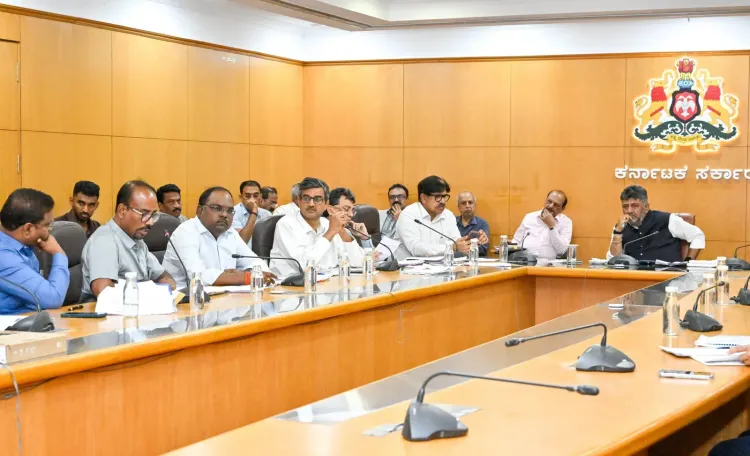
Chief Minister D.K. Shivakumar chaired a review of Karnataka's Backward Classes Welfare Department at Vidhana Soudha on 1 July 2026, assessing grant utilisation and scheme progress. Senior officials including the Chief Secretary and Finance ACS attended. The CM issued directions after hearing the department's demands.
Key Takeaways
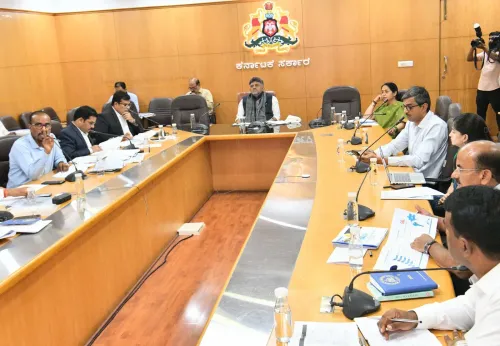
Shivakumar chaired a review meeting of the Backward Classes Welfare Department at Vidhana Soudha on 1 July 2026 .
The review covered progress of ongoing welfare programmes, grant utilisation, and departmental demands.
Shalini Rajneesh , Economic Adviser L.K.
Ateeq , Tushar Girinath (Additional Chief Secretary), and Ritesh Kumar Singh (Finance ACS) were among those present.
The CM issued directions to officials after listening to the department's requirements.
The department administers education scholarships, hostels, and skill development schemes for OBC communities in Karnataka.
Outcomes from this review may shape supplementary budget proposals and scheme announcements in the upcoming assembly session.
Chief Minister D.K. Shivakumar chaired a departmental review meeting of the Backward Classes Welfare Department at the Vidhana Soudha committee room in Bengaluru on Wednesday, 1 July 2026, examining the progress of ongoing programmes, grant utilisation, and the department's pending demands.
What Happened
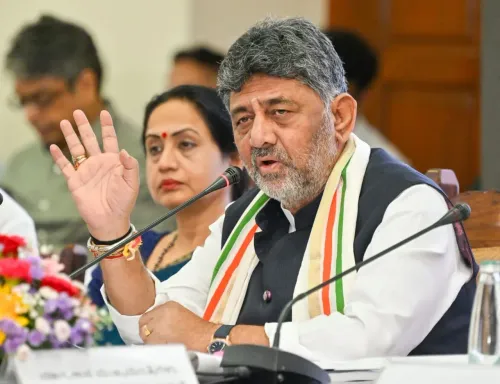
The Chief Minister's Office of Karnataka announced that CM Shivakumar convened the review to assess how welfare schemes targeting Other Backward Classes (OBC) communities are being implemented on the ground. He received briefings on grant utilisation and listened to the department's requirements before issuing directions to officials.
Senior officials present included Chief Secretary Dr. Shalini Rajneesh, Chief Minister's Economic Adviser L.K. Ateeq, Additional Chief Secretary Tushar Girinath, and Additional Chief Secretary (Finance) Ritesh Kumar Singh, along with other senior officers of the Backward Classes Welfare Department.
Context
The Backward Classes Welfare Department of Karnataka administers a range of programmes spanning education scholarships, residential hostels, and skill development support for OBC communities. Such reviews at the Vidhana Soudha are part of the state government's standard administrative cycle to track expenditure and flag implementation gaps.
Karnataka has maintained a dedicated institutional framework for backward class welfare since the expansion of OBC programmes following state backward classes commissions in the 1980s and 1990s. These periodic reviews are designed to ensure that allocated funds are absorbed efficiently and that beneficiaries on the ground receive intended support.
Policy Backdrop
India's constitutional framework under Articles 15(4) and 16(4) mandates affirmative action for socially and educationally backward classes, giving state governments the authority to design and fund targeted welfare schemes. Karnataka has been among the more active states in operationalising OBC-focused expenditure through dedicated departmental structures.
Departmental review meetings of this nature — attended by the Chief Secretary, economic advisers, and finance officials simultaneously — signal that the government is cross-examining both programme delivery and budgetary absorption, not merely receiving routine progress reports.
Stakeholders and Impact
The primary beneficiaries of the Backward Classes Welfare Department's programmes are OBC communities across Karnataka, including students dependent on scholarships and hostel facilities, and youth enrolled in skill development initiatives. Efficient grant utilisation directly determines the scale at which these communities can access state support.
The presence of the Finance Department's Additional Chief Secretary alongside the CM's economic adviser suggests that resource allocation and budgetary demands raised by the department were a significant agenda item at the meeting.
What's Next
The directions issued by CM Shivakumar at the review are expected to inform the department's administrative priorities in the months ahead. Observers will watch the upcoming state assembly session and any supplementary budget proposals for signals on whether the department's demands translate into additional grants or new scheme announcements for Karnataka's OBC communities.
Point of View
The CM's economic adviser, and the Finance Department's Additional Chief Secretary is a stronger administrative signal than a routine departmental briefing — it suggests the government is stress-testing both delivery and budget absorption ahead of the next assembly session. For CM Shivakumar, who oversees both the finance and political management portfolios of the Congress government in Karnataka, demonstrating active oversight of OBC welfare aligns with the party's broader social-justice positioning in a state where backward class voters are a significant electoral constituency. The inclusion of the Finance ACS points to pending resource demands that could surface in a supplementary grant. How quickly the CM's directions are operationalised will be the real measure of this review's impact.
NationPress
1 Jul 2026
Frequently Asked Questions
What did CM DK Shivakumar review on 1 July 2026?
CM D.K. Shivakumar chaired a review meeting of Karnataka's Backward Classes Welfare Department at Vidhana Soudha, examining the progress of ongoing welfare programmes, grant utilisation, and the department's pending demands, before issuing directions to officials.
What is the Backward Classes Welfare Department in Karnataka?
The Backward Classes Welfare Department is a Karnataka government body responsible for administering education scholarships, residential hostels, and skill development programmes for Other Backward Class (OBC) communities in the state.
Who attended the Backward Classes Welfare Department review meeting?
The meeting was attended by Chief Secretary Dr. Shalini Rajneesh, CM's Economic Adviser L.K. Ateeq, Additional Chief Secretary Tushar Girinath, Finance Department Additional Chief Secretary Ritesh Kumar Singh, and other senior departmental officials.
Where was the Karnataka welfare review meeting held?
The review meeting was held at the committee room of Vidhana Soudha in Bengaluru, which is the seat of the Karnataka legislature and the venue for high-level government meetings.
What are the welfare schemes for OBC communities in Karnataka?
Karnataka's Backward Classes Welfare Department runs programmes including merit and income-based scholarships, government-run residential hostels, and skill development initiatives targeted at Other Backward Class communities across the state.