CM Siddaramaiah Addresses Historic Kittur Utsav in Belagavi
Synopsis
Chief Minister DK Shivakumar addressed the historic Kittur Utsav in Belagavi district on October 26, 2026. The annual festival honours Rani Chennamma's 1824 revolt against the British. The CMO shared key highlights of his speech on X.
Key Takeaways
CM DK Shivakumar addressed the Kittur Utsav in Kittur, Belagavi district on Monday, October 26, 2026 .
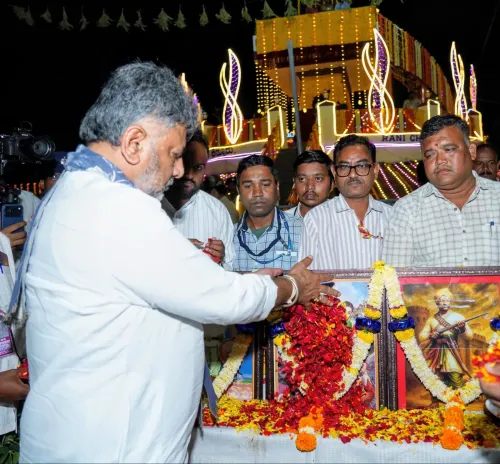
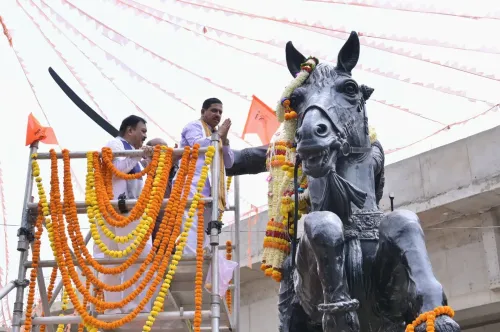
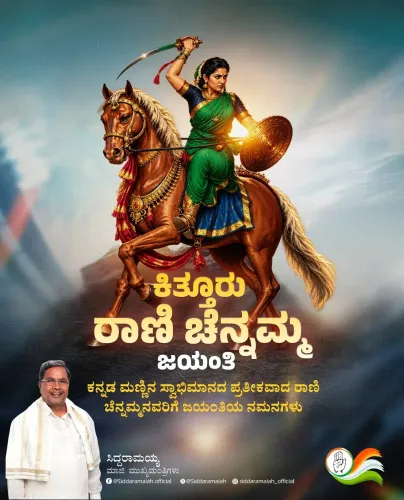
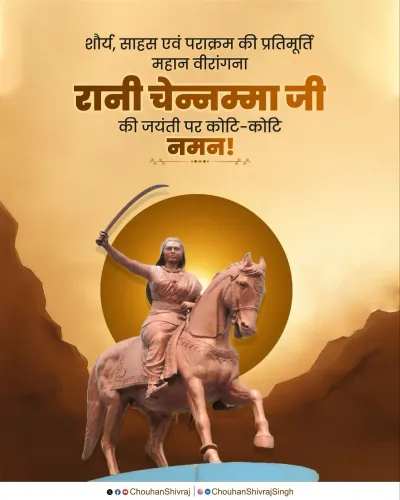
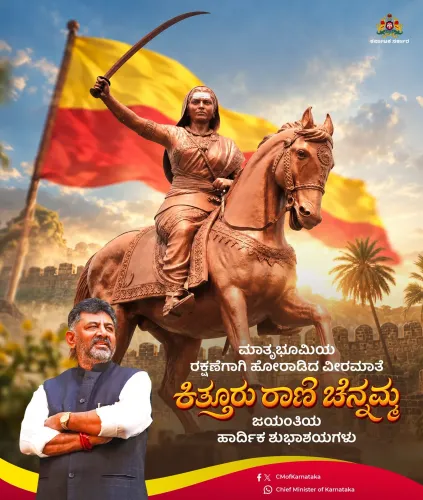
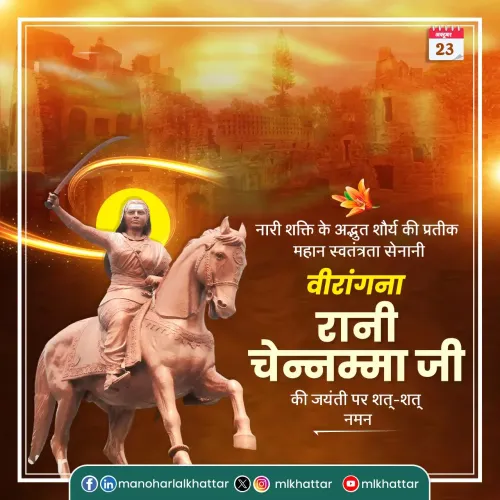
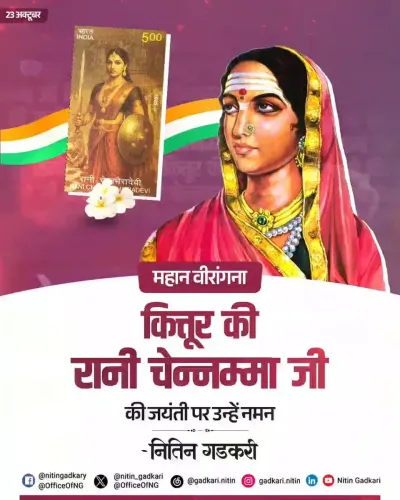
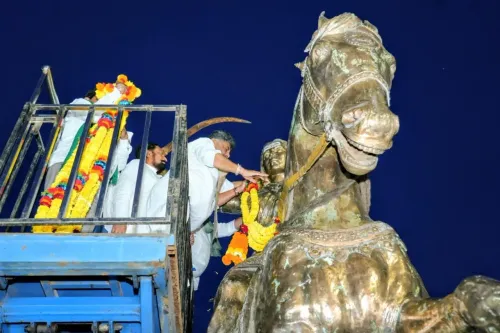
The Chief Minister's Office of Karnataka shared key highlights of the speech on X, accompanied by four images from the event.
Kittur Utsav is an annual festival commemorating Rani Chennamma's 1824 revolt against the British East India Company — one of India's earliest anti-colonial uprisings.
Rani Chennamma led an armed resistance triggered by the colonial 'Doctrine of Lapse' and died in British captivity in 1829 .
Karnataka state governments have consistently supported regional heritage festivals as part of cultural promotion, particularly in border districts like Belagavi .
Heritage groups and local communities watch the event for government announcements on fort conservation, tourism, and institutional recognition of regional history.
History echoed through the streets of Kittur on Monday, October 26, 2026, as the Chief Minister's Office of Karnataka shared key highlights from Chief Minister DK Shivakumar's address at the Kittur Utsav — the annual festival held in Belagavi district to honour one of India's earliest uprisings against colonial rule.
The CMO's post, shared in Kannada, outlined the principal points from DK Shivakumar's address at this year's edition of the historic festival in Kitturu (Kittur), a town whose name is inseparable from the legacy of Rani Chennamma — the warrior queen who led a revolt against British authority in 1824, nearly three decades before the 1857 uprising traditionally called India's first war of independence.Kittur's 1824 Revolt and Why the Festival Endures
Kittur, a small town in Belagavi district in northern Karnataka, carries an outsized place in Indian history. Rani Chennamma's armed resistance against the British East India Company in 1824 — triggered by a succession dispute and the colonial 'Doctrine of Lapse' — made her a symbol of defiance long before the independence movement took organised shape. She was captured, imprisoned, and died in captivity in 1829, but her story became a founding narrative of Karnataka's regional identity and anti-colonial pride. The Kittur Utsav is held annually to commemorate that legacy. Karnataka state governments across administrations have supported regional festivals of this kind as part of broader cultural promotion — events that anchor district-level identity to the larger arc of India's pre-independence history.Shivakumar at the Utsav: A Platform with Political and Cultural Weight
For Chief Minister DK Shivakumar, speaking at Kittur Utsav is both a cultural obligation and a visible affirmation of the Karnataka government's commitment to preserving regional heritage. Belagavi district, which sits on the Maharashtra border, has long carried complex questions of linguistic and cultural identity — making events that celebrate distinctly Karnataka figures politically resonant as well. The CMO's post shared four images from the event, signalling a high-profile official presence. While the full text of Shivakumar's speech has not been independently verified, the CMO characterised the address as covering 'key points' — a framing that suggests a substantive policy or heritage-linked message to the audience gathered at the festival grounds. Heritage advocates and local communities in Belagavi closely watch the government's annual commitments at this platform for any announcements on conservation of the Kittur fort complex, tourism development, or institutional recognition of figures from the region's history.Rani Chennamma's revolt began 202 years ago — and Karnataka's annual return to Kittur is a reminder that the most enduring political currency is sometimes history itself.
Point of View
Particularly in districts with complex border and linguistic sensitivities like Belagavi. DK Shivakumar's address is less a ceremonial gesture and more a calculated affirmation of Karnataka's cultural sovereignty in a district that has historically been contested terrain. Chief ministers across party lines have used this platform to signal both cultural pride and administrative commitment to the region. Whether this year's address carries fresh policy commitments on heritage conservation or tourism will determine how much political weight the event actually carries beyond symbolism.
NationPress
26 Oct 2026
Frequently Asked Questions
What is Kittur Utsav and why is it celebrated?
Kittur Utsav is an annual festival held in Kittur, Belagavi district, Karnataka, to commemorate Rani Chennamma's 1824 armed revolt against the British East India Company — one of India's earliest recorded anti-colonial uprisings.
Who is Rani Chennamma of Kittur?
Rani Chennamma was the queen of the princely state of Kittur who led an armed resistance against British colonial rule in 1824. She was captured and died in captivity in 1829, and is celebrated as a symbol of Karnataka's anti-colonial heritage.
Where is Kittur located?
Kittur is a town in Belagavi district in northern Karnataka, situated near the Karnataka-Maharashtra border.
What did CM DK Shivakumar say at Kittur Utsav 2026?
The Chief Minister's Office of Karnataka shared key highlights of CM DK Shivakumar's address at Kittur Utsav on October 26, 2026, though the full text of the speech has not been independently detailed beyond the CMO's post.
Why is Belagavi district significant in Karnataka politics?
Belagavi district sits on the Karnataka-Maharashtra border and has historically been the centre of a linguistic boundary dispute. Events like Kittur Utsav that celebrate Karnataka's distinct regional identity carry both cultural and political significance in this district.