CM Siddaramaiah flags delimitation risk to South's voice
Synopsis
Karnataka Chief Minister Siddaramaiah has renewed his opposition to linking women's reservation with delimitation, saying six large states would gain far more Lok Sabha seats than five southern states. He wants the quota implemented inside the existing 543 seats so states that cut population growth are not penalised for their progress.
Key Takeaways
Karnataka Chief Minister Siddaramaiah posted on 28 November 2026 opposing the link between women's reservation and delimitation.
He called for implementing women's reservation within the existing 543 Lok Sabha seats.
He argued six large states would gain around 130 extra seats versus around 65 for five southern states, weakening the South's relative influence.
The 2023 Nari Shakti Vandan Adhiniyam reserves one-third of seats for women but ties implementation to post-census delimitation.
He said states that controlled population growth must not be penalised and that delimitation cannot be an excuse for domination.
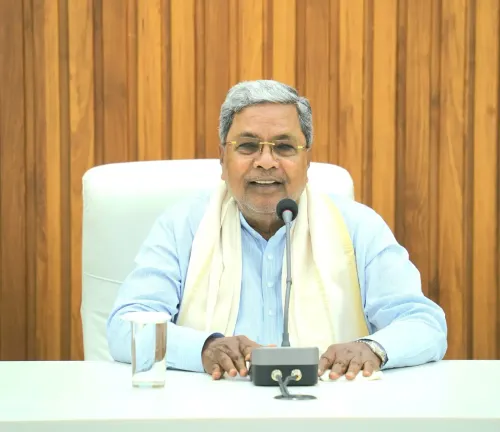
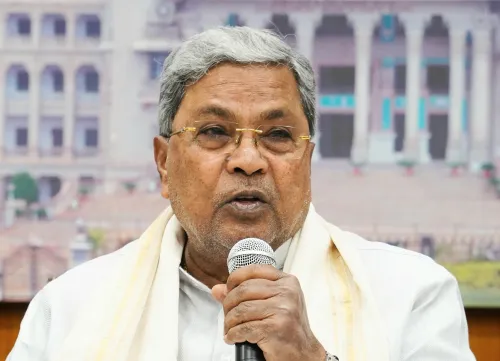
Karnataka Chief Minister Siddaramaiah on Saturday turned a women's reservation law into a federal alarm, warning that linking the quota to delimitation would let large states pull far ahead of the South in a bigger Lok Sabha. Posting on X on 28 November 2026, he said states that had already controlled population growth must not be penalised, and that the quota should be implemented inside the existing 543 seats.
The 130-versus-65 gap he put on the table
The Chief Minister said the concerns he raised in April remain equally relevant. He wrote that under the proposed expansion, six large states would gain around 130 additional Lok Sabha seats, while the five southern states would gain only around 65.
Though the percentage share may remain unchanged, he argued, the widening numerical gap would weaken South India's relative influence in national decision-making. Those figures are his own account of the proposed expansion.
Implement the quota inside 543 seats, he said
His stand, in his own words, is clear: implement women's reservation within the existing 543 Lok Sabha seats and protect the political representation of states. Those that have successfully controlled population growth must not be penalised for their progress.
He closed the argument with a line meant to travel: delimitation cannot be an excuse for domination. He said that under Congress leadership the INDIA bloc had stood united against what he called an anti-federal Bill in April and remains equally determined to oppose it again.
Why the 2023 women's law reopened a federal wound
The Constitution (One Hundred and Sixth Amendment) Act, 2023 — the Nari Shakti Vandan Adhiniyam — reserves one-third of seats for women in the Lok Sabha and state assemblies. Implementation is locked to a delimitation exercise after the next census. That is the hinge. A gender reform now waits on a population map.
The five southern states in this arithmetic are Karnataka, Tamil Nadu, Kerala, Andhra Pradesh and Telangana. They completed a demographic transition earlier than several large northern states. Indian federalism has long argued over whether Lok Sabha seats should strictly follow headcount or shield states that lowered fertility first. The 2023 law revived that fight by making women's reservation wait for the same redraw.
Watch the next census, and any parliamentary move to delink the quota from delimitation. If the map is redrawn first, the South's relative numbers shrink even if its percentage holds. If the quota is carved inside 543 seats, the federal bargain Siddaramaiah is defending survives. The fight is not against women in Parliament. It is over who draws the House they will sit in.
Point of View
Turning a social reform into a federal numbers contest. Siddaramaiah is restating the southern compact: states that lowered fertility earlier should not lose relative power in Delhi. By demanding the quota inside the existing 543 seats, he is trying to split two issues the 2023 law tied together. The timing of the next census, and whether Parliament ever delinks the two, will show if this is bargaining or a red line for the Congress-led opposition.
NationPress
28 Nov 2026
Frequently Asked Questions
What did Siddaramaiah say about delimitation and women's reservation?
He said women's reservation should be implemented within the existing 543 Lok Sabha seats and warned that linking it to delimitation would weaken South India's relative influence.
Why is women's reservation linked to delimitation in India?
The Constitution (One Hundred and Sixth Amendment) Act, 2023, known as the Nari Shakti Vandan Adhiniyam, reserves one-third of seats for women but starts only after a delimitation exercise based on the next census.
Which southern states are in the delimitation debate?
The debate centres on Karnataka, Tamil Nadu, Kerala, Andhra Pradesh and Telangana, which have recorded lower population growth than several large northern states.
What is the INDIA bloc's position according to Siddaramaiah?
He said the Congress-led INDIA bloc opposed what he called an anti-federal Bill in April and remains determined to oppose linking women's reservation to delimitation again.
How many elected seats does the Lok Sabha have now?
The Lok Sabha currently has 543 elected seats, and Siddaramaiah wants the women's quota applied inside that existing total rather than after an expansion.