CM Siddaramaiah Launches ₹2,500 Drought Relief for Karnataka Farmers
Synopsis
Karnataka's Chief Minister DK Shivakumar on 5 November 2026 launched a ₹2,500 interim drought input subsidy for farmers — first tranche of a ₹5,000 relief package — after 226 taluks were declared drought-affected following a 35% monsoon deficit and an estimated ₹62,481 crore in crop losses.
Key Takeaways
₹2,500 per farmer released today as the first instalment of a total ₹5,000 drought relief , capped at two hectares per farmer.
226 of 240 taluks in Karnataka officially notified as drought-affected after a 35% monsoon rainfall deficit (495 mm vs normal 766 mm) in June–September 2026.
Crop loss estimated at 57.93 lakh hectares (83.26%) of sown area, with total economic damage of ₹62,481.88 crore .
Karnataka has sought ₹22,400.58 crore under NDRF from the central government, writing to PM Modi and Union ministers more than five times.
Relief is being funded entirely from state's own resources as central NDRF funds are yet to be released; the second ₹2,500 instalment will follow once Centre acts.
Aadhaar-linked DBT via the Parivara portal and FRUITS database will transfer funds directly to farmer bank accounts with no paperwork required.
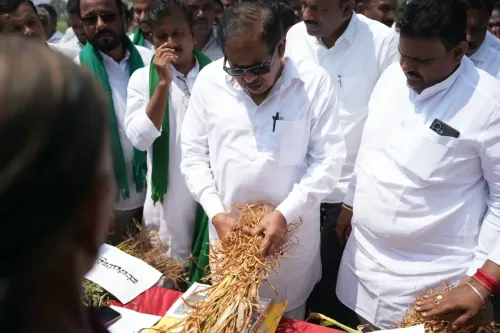
Karnataka's worst monsoon in recent memory has left 226 of the state's 240 taluks officially drought-declared — and on Thursday, 5 November 2026, the Chief Minister's Office of Karnataka announced that the state government has launched the first instalment of an interim drought relief package, releasing ₹2,500 per farmer today as the opening tranche of a total ₹5,000 input subsidy capped at two hectares per farmer.
A 35% rainfall deficit that scorched Karnataka's fields
The numbers behind the crisis are staggering. Between 1 June and 16 September 2026, Karnataka received just 495 mm of rainfall against a normal of 766 mm — a shortfall of 35%. The deficit was sharpest in South Interior Karnataka at 47%, followed by North Interior Karnataka at 42%, Malnad at 37%, and Coastal Karnataka at 27%.
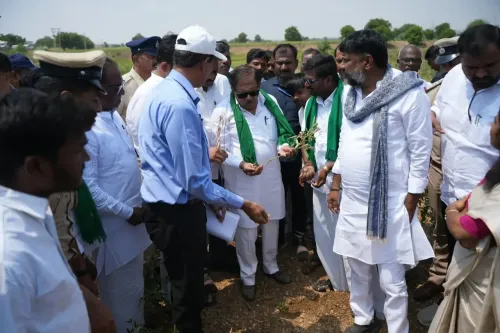
The cascade into farmlands was immediate. Of the total sowing target of 84.10 lakh hectares across the state, 69.57 lakh hectares were actually sown — and a joint crop-damage survey found that 57.93 lakh hectares (83.26%) of that sown area suffered crop loss. The estimated economic damage: a staggering ₹62,481.88 crore. 30 of 31 districts and 765 of 850 hoblis recorded severe rainfall deficiency.
₹2,500 today, the rest when Delhi acts
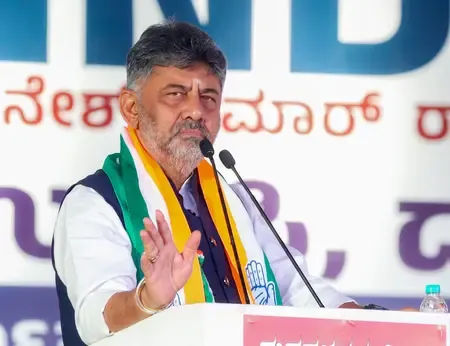
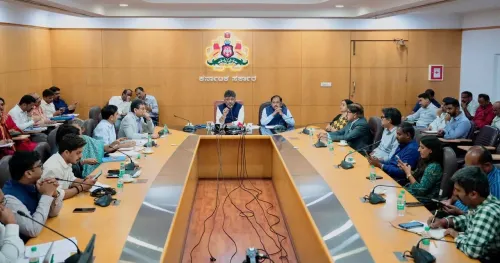
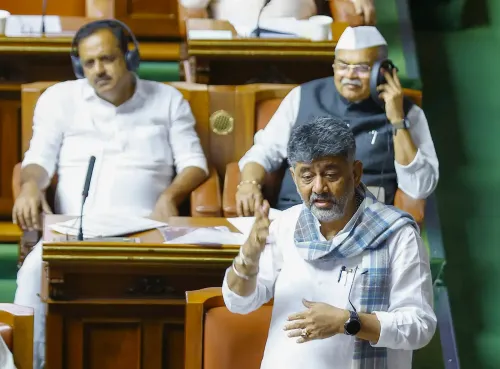
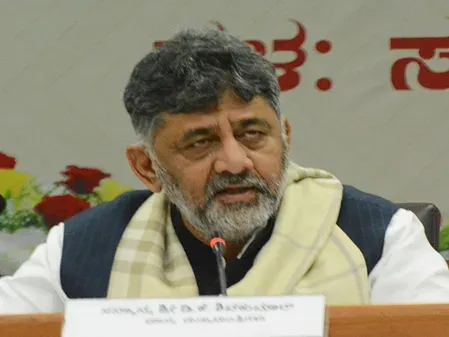
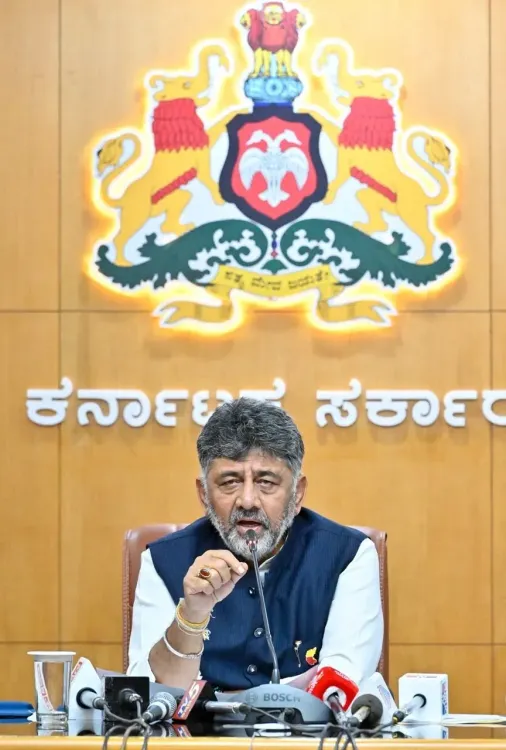
Speaking at Vidhana Soudha after formally launching the relief disbursement programme, Chief Minister DK Shivakumar confirmed the two-stage payment structure. The first ₹2,500 reaches farmers' accounts today; the remaining ₹2,500 — at the same revised rates — will be paid in a single tranche the moment central NDRF funds are released. With the Centre yet to act, the state is funding the current release entirely from its own resources.
The state has asked the central government for ₹22,400.58 crore under the National Disaster Response Fund. The breakdown: ₹7,943.55 crore for crop-loss input subsidies, ₹1,727 crore for drinking water, ₹583.04 crore for livestock protection, and ₹12,146.99 crore in ex-gratia relief specifically for 61.91 lakh small and marginal farmers. Karnataka has written to Prime Minister Narendra Modi, the Union Agriculture Minister, and the Union Home Minister on more than five separate occasions. A meeting with an all-party delegation has been sought; the state is awaiting a response.
No office visits, no paper: Aadhaar-linked DBT takes over
To cut out the leakages and delays that have plagued past relief cycles, the state has built its disbursement on a fully digital stack — the 'Parivara' (Parivara relief portal), digital crop surveys, and FRUITS (Farmer Registration and Unified Beneficiary Information System) database. Farmers will not need to visit any government office or submit physical documents. Relief money flows directly into bank accounts via Aadhaar-linked Direct Benefit Transfer (DBT).
An input subsidy of ₹1,743.53 lakh is being distributed in the first wave, with Yadgiri district alone carrying a total eligible input subsidy liability of ₹16,830 lakh. Relief release for the remaining districts is in progress. Alongside the input subsidy, the government is also working to expedite payouts under Pradhan Mantri Fasal Bima Yojana and the Weather-Based Crop Insurance Scheme (WBCIS).
A centre-state fault line, now fully in the open
That Karnataka is spending its own funds — with no NDRF grant yet released — is a pointed political fact. State governments stepping in before central transfers arrive is an established pattern in Indian disaster response, but the scale here is extraordinary: a ₹62,000-crore crop-damage estimate with over five unanswered letters to the Prime Minister's Office. The pending all-party delegation meeting will determine whether this episode accelerates into a sharper constitutional and fiscal standoff.
The next moment to watch: whether Delhi releases the ₹22,400 crore NDRF tranche before Karnataka's own fiscal headroom runs dry — and whether the second ₹2,500 instalment reaches farmers before the next sowing season begins.
Point of View
400 crore NDRF request — sharpens an enduring centre-state fiscal tension around disaster response financing. The state's digital DBT architecture is a genuine step forward in welfare delivery, but it cannot paper over the structural gap: state disaster reserves are finite and NDRF delays impose a real fiscal cost on sub-national governments. With more than five unanswered letters to the Prime Minister and an all-party delegation seeking an appointment, this is no longer a purely administrative matter — it is a live political flashpoint between Bengaluru and Delhi. How the Centre responds in the next few weeks will set the template for how future monsoon-failure relief cycles play out across India.
NationPress
5 Nov 2026
Frequently Asked Questions
How much drought relief will Karnataka farmers get?
Karnataka farmers will receive a total of ₹5,000 as drought relief input subsidy, capped at two hectares per farmer. The first instalment of ₹2,500 was released on 5 November 2026 ; the remaining ₹2,500 will follow once central NDRF funds are released.
How many taluks in Karnataka are drought-affected in 2026?
226 of Karnataka's 240 taluks have been officially notified as drought-affected following a 35% monsoon rainfall deficit between June and September 2026.
How will Karnataka farmers receive the drought relief money?
Farmers will receive the money directly into their bank accounts via Aadhaar-linked Direct Benefit Transfer (DBT) through the Parivara relief portal and FRUITS database — no office visit or physical documents required.
How much has Karnataka asked the central government for under NDRF?
Karnataka has requested ₹22,400.58 crore from the central government under the National Disaster Response Fund, covering crop-loss input subsidies, drinking water, livestock support, and ex-gratia relief for small and marginal farmers.
What is the total crop damage in Karnataka due to 2026 drought?
The joint crop-damage survey estimates that 57.93 lakh hectares (83.26%) of sown area suffered crop loss, with total economic damage estimated at ₹62,481.88 crore .