CM Soren directs WCD dept to stop harassing Maiyaan beneficiaries
Synopsis
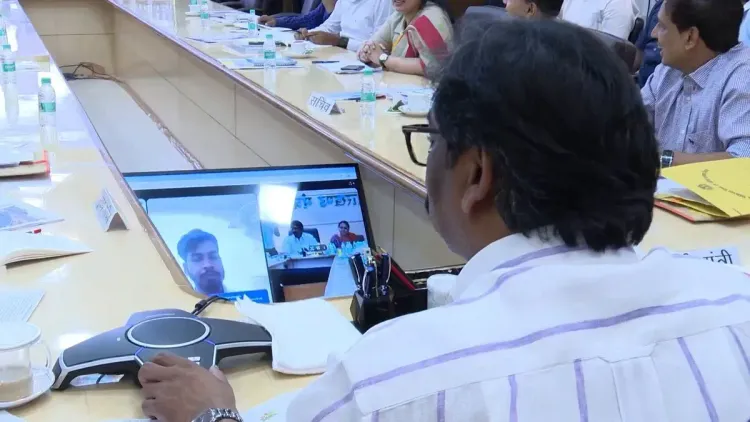
Jharkhand CM Hemant Soren has directed the Women and Child Development Department to issue district-wide instructions against harassing Maiyaan Yojana beneficiaries during verification, after an online interaction with a woman at the Barhait panchayat bhawan during a Panchayati Raj review meeting.
Key Takeaways
CM Hemant Soren issued a public directive on 27 May 2026 to stop unnecessary harassment of Maiyaan Yojana beneficiaries at panchayat offices.
The order followed an online interaction with a woman beneficiary and worker Binod Marandi at the Barhait panchayat bhawan during a Panchayati Raj Department review meeting.
The Women and Child Development Department has been directed to write formally to all districts in Jharkhand with the instruction.
The Maiyaan Yojana provides financial assistance to women and requires panchayat-level beneficiary verification.
The directive is part of a broader Jharkhand government push since 2020–21 to simplify beneficiary onboarding and reduce procedural friction in women-centric welfare schemes.
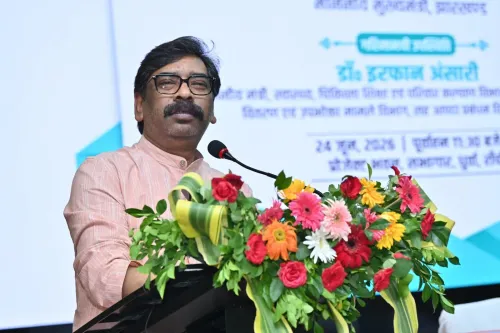
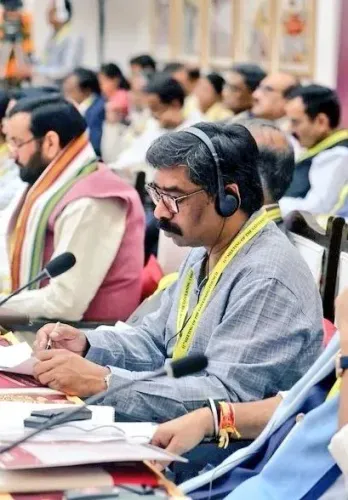
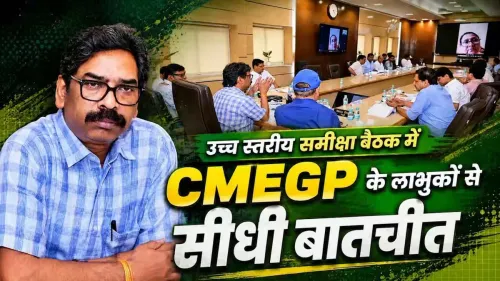
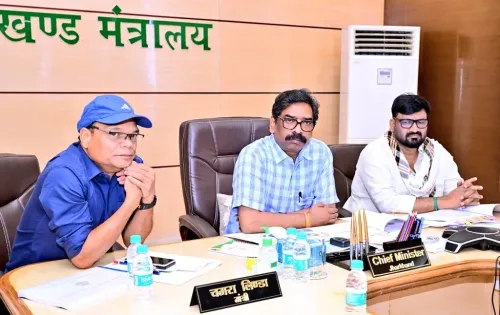
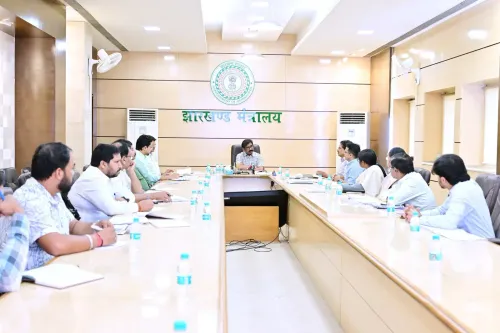
Jharkhand Chief Minister Hemant Soren on Wednesday, 27 May 2026, directed the state's Women and Child Development (WCD) Department to issue letters to all districts ensuring that women visiting panchayat offices for Maiyaan Yojana verification are not subjected to unnecessary harassment. The instruction came after Soren held an online interaction with a beneficiary and a panchayat worker during a review meeting of the Panchayati Raj Department.
Context
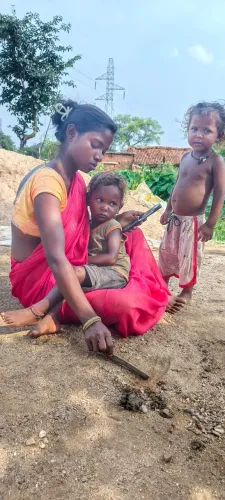
During the departmental review, Soren connected online with Binod Marandi, a worker at the panchayat bhawan in Barhait, and a woman who had come to the office for official work. In the conversation, the woman revealed she had visited the panchayat bhawan specifically to complete the verification process required under the Maiyaan Yojana. The Chief Minister shared the exchange directly on his official X account, noting: 'bahan Maiyaan Yojana ke satyapan ke liye panchayat bhawan aayi hain' [the sister had come to the panchayat bhawan for Maiyaan Yojana verification].
Soren's post directed the Mahila Bal Vikas Vibhag (Women and Child Development Department) to write to all districts and ensure that no woman — referred to as 'Maiyaan' — is put through avoidable difficulty during the verification process. The directive was framed as a systemic instruction, not a one-off response to the individual case.
Policy Backdrop
The Maiyaan Yojana is a Jharkhand state scheme that provides financial assistance to women, with beneficiary verification carried out at the panchayat level. The Jharkhand government has since 2020 emphasised direct benefit transfers and Aadhaar-linked verification for women-centric welfare programmes, while simultaneously issuing instructions to district administrations to prevent procedural leakages and simplify beneficiary onboarding.
Circulars aimed at curbing unnecessary procedural burdens on rural women under state social security programmes have been issued from 2021 onward. Barhait, a block in Sahibganj district, sits in a predominantly tribal and rural belt where last-mile delivery of welfare entitlements has historically faced administrative friction.
Stakeholders and Impact
The primary beneficiaries of this directive are women enrolled or seeking enrolment under the Maiyaan Yojana across Jharkhand's districts, many of whom travel to panchayat offices for mandatory verification steps. Panchayat-level workers such as Binod Marandi are the frontline implementers who will be expected to facilitate — rather than obstruct — the process following the department's forthcoming circular.
The WCD Department will now be responsible for translating the Chief Minister's directive into formal district-level instructions. How swiftly and uniformly those instructions are communicated and enforced will determine whether the order meaningfully reduces friction for beneficiaries on the ground.
What's Next
The immediate next step is a formal circular from the Women and Child Development Department to all district administrations in Jharkhand. District-level compliance reports and verification completion rates under the Maiyaan Yojana will indicate whether the directive translates into tangible relief for rural women. Soren's direct, publicly visible intervention sets an accountability benchmark that civil society and opposition legislators are likely to track in the weeks ahead.
Point of View
Real-time problem-solver while placing the administrative burden of compliance squarely on the WCD Department and district machinery. The move fits a wider pattern of state governments using social media as a live accountability tool for welfare delivery, where a single visible grievance triggers systemic instructions. For the JMM, which has built significant political capital among rural women through direct-benefit schemes, protecting the ease of access to those schemes is both a policy imperative and an electoral one. The real test will be whether the forthcoming departmental circular produces measurable improvements in verification turnaround times or remains a well-intentioned but unenforced directive.
NationPress
19 Sept 2026
Frequently Asked Questions
What is the Maiyaan Yojana in Jharkhand?
The Maiyaan Yojana is a Jharkhand state government scheme that provides financial assistance to women, with beneficiaries required to complete a verification process at panchayat offices.
Why did CM Hemant Soren issue a directive about Maiyaan Yojana verification?
During a Panchayati Raj Department review meeting, Soren spoke online with a woman at the Barhait panchayat bhawan who had come for Maiyaan Yojana verification, prompting him to direct the WCD Department to ensure no beneficiary faces unnecessary harassment.
What has the Women and Child Development Department been asked to do?
The WCD Department has been directed by CM Soren to send letters to all districts in Jharkhand instructing officials not to cause avoidable difficulties for women seeking Maiyaan Yojana verification.
Where is Barhait, and why does it matter in this context?
Barhait is a block in Sahibganj district, Jharkhand, where the panchayat bhawan mentioned in the CM's post is located. It is a rural, predominantly tribal area where last-mile delivery of welfare schemes is a persistent challenge.
What happens next after CM Soren's directive on Maiyaan Yojana?
The Women and Child Development Department is expected to issue a formal circular to all district administrations; compliance and verification completion rates will indicate whether the directive delivers tangible relief to beneficiaries.