CM Hemant Soren Meets Beneficiaries of Jharkhand Job Scheme
Synopsis
Chief Minister Hemant Soren of Jharkhand interacted with beneficiaries of the Mukhya Mantri Rozgar Srijan Yojana on June 1, 2026, spotlighting the state's self-employment scheme for youth. The outreach reflects the JMM government's sustained focus on local employment generation in a state with large tribal and rural communities.
Key Takeaways
CM Hemant Soren interacted with beneficiaries of the Mukhya Mantri Rozgar Srijan Yojana on June 1, 2026 .
The scheme provides financial assistance and skill training to unemployed youth in Jharkhand to promote self-employment.
The Chief Minister's Office of Jharkhand shared the interaction on its official X account, describing youth as 'becoming self-reliant' through the programme.
The initiative targets rural and tribal youth, who make up a significant share of Jharkhand's population.
Hemant Soren has run state-specific employment programmes since his first term beginning 2019 , positioning them as complements to central government schemes.
Detailed beneficiary figures and disbursement data are expected in future official releases or assembly proceedings.
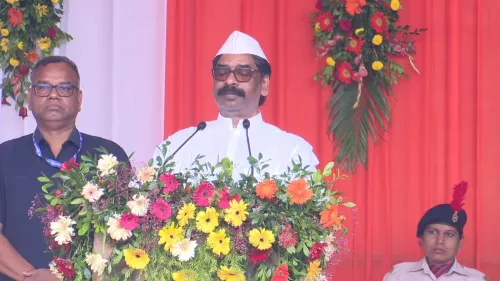
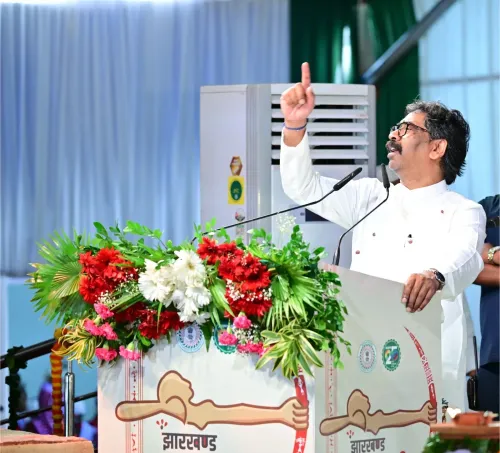
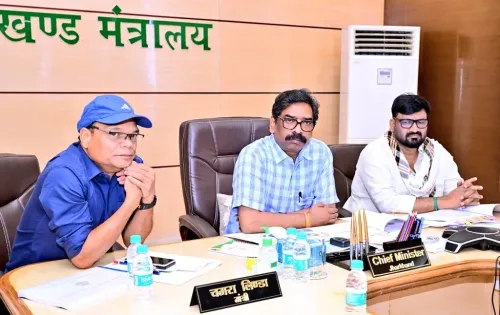
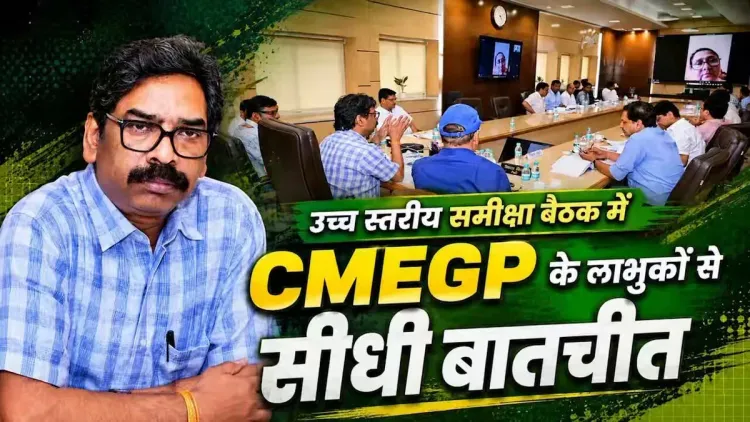
Chief Minister Hemant Soren of Jharkhand on Monday, June 1, 2026, interacted with beneficiaries of the Mukhya Mantri Rozgar Srijan Yojana, the state government's flagship self-employment scheme, with the Chief Minister's Office of Jharkhand sharing the engagement on its official X account. The outreach underscores the state government's ongoing push to position the scheme as a vehicle for youth self-reliance across the state.
The official post read: 'Mukhya Mantri Rozgar Srijan Yojana se swavalambi ban rahe yuva' ('Youth are becoming self-reliant through the Chief Minister's Employment Generation Scheme'), adding that CM Soren held a direct conversation with the scheme's beneficiaries.
Context
The Mukhya Mantri Rozgar Srijan Yojana is a Jharkhand state government programme designed to provide financial assistance, skill training, and institutional support to young people seeking to start their own enterprises. The scheme targets unemployed youth, particularly from rural and tribal communities, who form a significant share of Jharkhand's population. Direct interactions between the Chief Minister and beneficiaries are a recurring feature of how the state government communicates the scheme's reach and impact.
Policy Backdrop
Hemant Soren, who leads the Jharkhand Mukti Morcha and has served as Chief Minister since 2019, has built a series of state-specific welfare and employment programmes aimed at retaining the local workforce and reducing out-migration. Jharkhand, an eastern Indian state with a large tribal and rural population, has historically faced high rates of youth unemployment and seasonal migration to other states for work. State-level self-employment schemes such as this one are positioned as complements to central government programmes, offering locally tailored loan and training support.
Indian states have increasingly invested in targeted self-employment initiatives, recognising that central schemes alone do not fully address the specific economic conditions of states with predominantly agrarian and tribal economies. The Mukhya Mantri Rozgar Srijan Yojana fits within this broader pattern of sub-national policy innovation on employment.
Stakeholders and Impact
The primary beneficiaries of the scheme are unemployed youth and aspiring self-employed individuals across Jharkhand, with a particular focus on those from rural and tribal backgrounds. By facilitating direct access to capital and training, the programme aims to reduce dependence on wage labour and seasonal migration. CM Soren's personal engagement with beneficiaries serves both a policy-monitoring function and a public communication role, reinforcing the government's accountability narrative around welfare delivery.
The interaction also signals the administration's intent to keep scheme visibility high ahead of state legislative sessions, where budget allocations and beneficiary data are typically scrutinised by opposition lawmakers.
What's Next
Detailed beneficiary figures, disbursement data, and scheme performance metrics are expected to surface in subsequent official releases or during Jharkhand assembly proceedings. State budget allocations toward the Mukhya Mantri Rozgar Srijan Yojana will be a key indicator of the government's long-term commitment to scaling the programme. Sustained follow-through on beneficiary support — beyond high-profile interaction events — will determine whether the scheme translates into measurable reductions in youth unemployment across the state.
Point of View
Such public engagements also pre-empt opposition narratives around scheme underperformance. The real test, however, will be independently verified beneficiary and disbursement data rather than curated interaction events.
NationPress
24 Oct 2026
Frequently Asked Questions
What is the Mukhya Mantri Rozgar Srijan Yojana in Jharkhand?
The Mukhya Mantri Rozgar Srijan Yojana is a Jharkhand state government scheme that provides financial assistance, skill training, and support to unemployed youth to help them start their own businesses and become self-reliant.
Who is the Chief Minister of Jharkhand in 2026?
Hemant Soren of the Jharkhand Mukti Morcha (JMM) is the Chief Minister of Jharkhand. He has held the post since 2019 and has led multiple welfare and employment programmes targeting youth and tribal communities.
What did CM Hemant Soren do on June 1, 2026?
On June 1, 2026, CM Hemant Soren interacted directly with beneficiaries of the Mukhya Mantri Rozgar Srijan Yojana, as shared by the Chief Minister's Office of Jharkhand on its official X account.
Who benefits from the Mukhya Mantri Rozgar Srijan Yojana?
The scheme primarily targets unemployed youth in Jharkhand, with a focus on those from rural and tribal backgrounds who seek financial and institutional support to set up their own enterprises.
How is Jharkhand addressing youth unemployment?
Jharkhand has deployed state-specific schemes like the Mukhya Mantri Rozgar Srijan Yojana, offering loans, training, and direct government support to encourage self-employment and reduce out-migration of youth to other states.