CM Hemant Soren Pays Tribute to Birsa Munda, Dharti Aaba
Synopsis
Jharkhand Chief Minister Hemant Soren on 9 June 2026 honoured tribal icon Birsa Munda, citing his sacrifice and ideas as a guiding force for social justice and public welfare. The tribute reflects the JMM's deep political and cultural ties to Adivasi identity and land-rights movements in Jharkhand.
Key Takeaways
Jharkhand Chief Minister Hemant Soren posted a tribute to Birsa Munda on 9 June 2026 .
Soren described Birsa Munda's struggle and ideas as an ongoing inspiration for social justice, rights protection and public welfare .
Birsa Munda led the Munda Rebellion of 1899–1900 against British land policies in the Chota Nagpur region and is revered as Dharti Aaba — 'Father of the Earth'.
Jharkhand was formed on 15 November 2000 , partly fulfilling the tribal autonomy aspirations rooted in Birsa Munda's movement.
The tribute aligns with the Jharkhand Mukti Morcha's longstanding practice of invoking Adivasi icons to frame governance and welfare priorities.
Observers will watch for state-level announcements on forest rights implementation or welfare schemes for Scheduled Tribe communities.
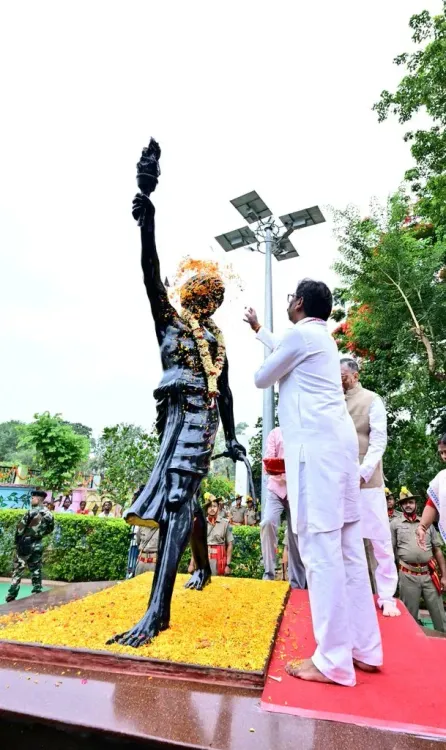
Jharkhand Chief Minister Hemant Soren on Tuesday, 9 June 2026, invoked the legacy of tribal icon Birsa Munda, honouring the 19th-century revolutionary as a continuing source of inspiration for social justice and welfare in Jharkhand.
Context
Posting on X, Soren wrote in Hindi: 'unka sangharsh, tyaag aur vichaar aaj bhi hamein samajik nyay, adhikaaron ki raksha tatha jankalayn ke maarg par aage badhne ki prerana dete hain' — 'His struggle, sacrifice and ideas continue to inspire us to advance on the path of social justice, protection of rights and public welfare.' He closed with the rallying cry: 'Dharti Aaba amar rahen! Jai Birsa!' — 'Long live Dharti Aaba! Victory to Birsa!'
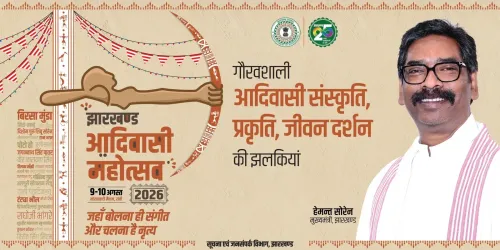
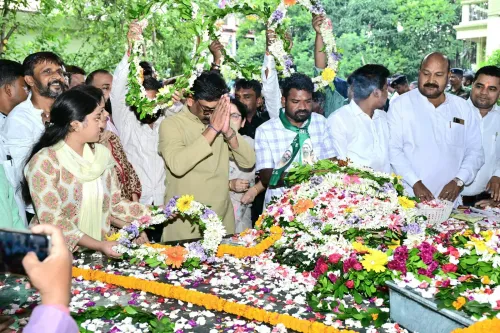
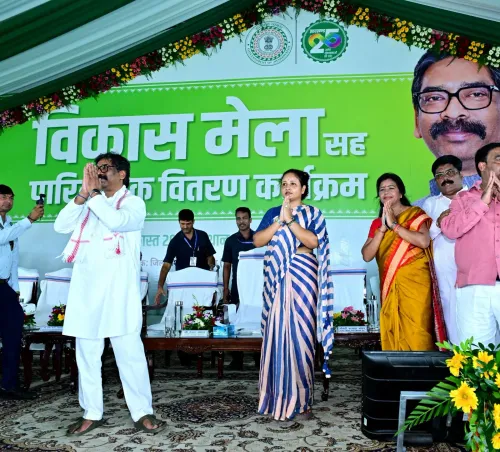
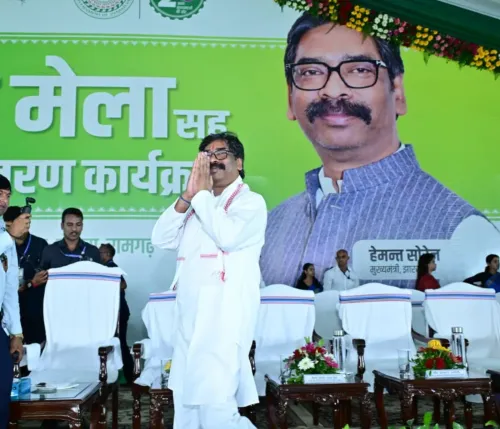
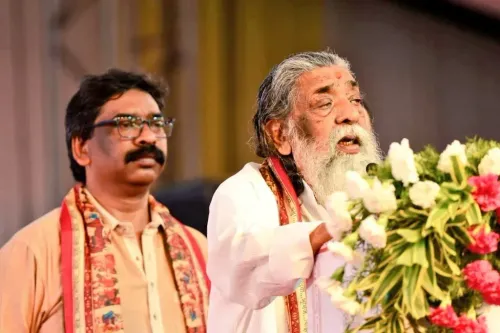
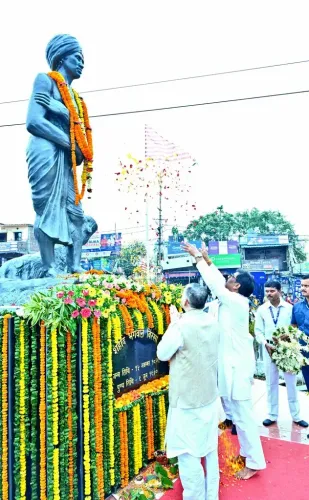
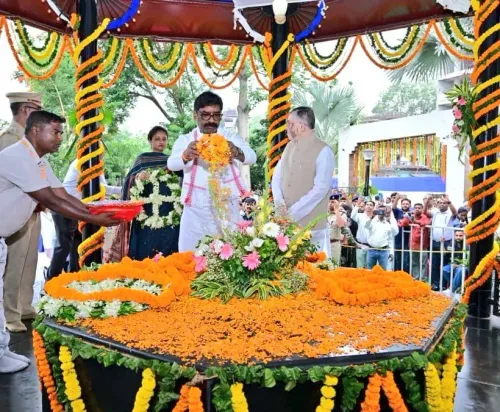
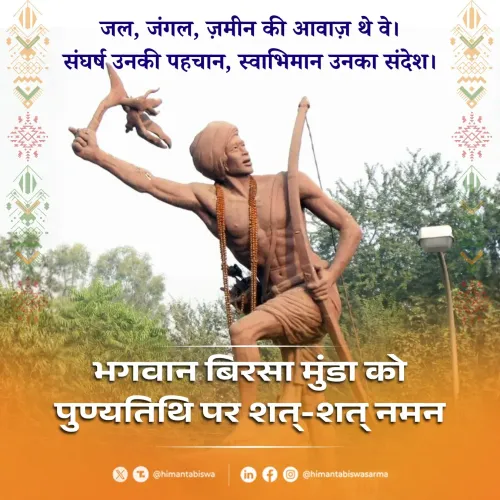
The post was accompanied by four images and was shared from the Chief Minister's official handle. Birsa Munda is widely addressed as Dharti Aaba — 'Father of the Earth' — a title that underscores his near-mythic status among tribal communities across eastern India.
Policy Backdrop
Birsa Munda led the Munda Rebellion of 1899–1900, an armed uprising in the Chota Nagpur region against British land dispossession and the erosion of tribal customs. His movement directly shaped the political consciousness that eventually produced the demand for a separate tribal state.
Jharkhand was carved out as an independent state on 15 November 2000, a date that the state government marks as Jharkhand Foundation Day — a fulfilment, in official framing, of the aspirations Birsa Munda embodied. The Scheduled Tribes and Other Traditional Forest Dwellers (Recognition of Forest Rights) Act, 2006, further extended legal recognition to tribal land claims across states including Jharkhand.
Stakeholders and Impact
Jharkhand has one of India's largest Scheduled Tribe populations, and the Jharkhand Mukti Morcha (JMM) — founded in 1972 to champion tribal self-rule — has built its political identity around figures like Birsa Munda. Invocations of his legacy carry direct resonance with Adivasi communities who remain central to the party's electoral base.
The broader pattern of citing Birsa Munda's struggle reflects the state's enduring linkage between historical tribal resistance and present-day governance priorities — particularly around land rights, resource distribution, and welfare delivery in a mineral-rich region that has long been the site of displacement disputes.
What's Next
Commemorative tributes of this kind from the JMM leadership typically precede or accompany state-level observances tied to tribal history and identity. Observers will watch for fresh notifications on the implementation of forest-rights claims or new welfare scheme announcements targeting Scheduled Tribe communities in Jharkhand.
As long as land rights and resource conflicts remain live political issues in eastern India, the memory of Birsa Munda is likely to remain a central reference point in the state's governance discourse — shaping both policy framing and electoral messaging for the foreseeable future.
Point of View
Soren simultaneously honours a historical figure and signals the ideological lens through which his government frames policy. This pattern is consistent across JMM messaging and reflects a broader strategy of anchoring contemporary governance — particularly on land rights and tribal welfare — in a legitimising historical narrative. The durability of Birsa Munda as a political symbol in eastern India suggests this framing will only intensify as resource and land disputes in Jharkhand continue to evolve.
NationPress
24 Sept 2026
Frequently Asked Questions
Who is Birsa Munda and why is he called Dharti Aaba?
Birsa Munda was a tribal leader from the Munda community in the Chota Nagpur region who led the Munda Rebellion of 1899–1900 against British land dispossession. He is called Dharti Aaba , meaning 'Father of the Earth', in recognition of his role as a protector of tribal land and identity.
Why did Hemant Soren pay tribute to Birsa Munda?
Jharkhand Chief Minister Hemant Soren posted a tribute on 9 June 2026 , describing Birsa Munda's struggle and sacrifice as an enduring inspiration for social justice and welfare. Such tributes are a consistent part of JMM political culture, which draws its founding ideology from Adivasi resistance movements.
What is the Jharkhand Mukti Morcha's connection to Birsa Munda?
The Jharkhand Mukti Morcha , founded in 1972 , was built around the demand for tribal self-rule and statehood — a cause directly rooted in the legacy of Birsa Munda . The party routinely invokes his name to frame its governance priorities around land rights, resource protection and Adivasi welfare.
When was Jharkhand created and what is its link to Birsa Munda?
Jharkhand was formed on 15 November 2000 as a separate state, fulfilling long-standing demands for tribal autonomy that trace back to Birsa Munda's 19th-century resistance movement. The state government officially frames its formation as a realisation of his aspirations.
What is the Munda Rebellion?
The Munda Rebellion of 1899–1900 was an armed uprising led by Birsa Munda in the Chota Nagpur region, demanding the restoration of tribal land rights and resisting British colonial policies and missionary influence. It remains a defining event in Jharkhand's political and cultural history.