CM Soren pays tribute to Birsa Munda on Shaheed Diwas
Synopsis
Jharkhand CM Hemant Soren paid floral tribute at Birsa Munda's Ranchi memorial on June 9, 2026, honouring the tribal icon on his martyrdom anniversary and reaffirming the JMM's commitment to Adivasi rights over jal, jungle, and zameen.
Key Takeaways
CM Hemant Soren visited Birsa Munda's samadhi sthal in Ranchi on June 9, 2026 to mark Birsa Munda Shaheed Diwas .
Birsa Munda died in British custody on June 9, 1900 , aged 25 , after leading the Ulgulan uprising in the Chota Nagpur region.
Soren paid tribute to Munda's sacrifice for jal, jungle, zameen (water, forest, land) and Adivasi identity.
Jharkhand has observed June 9 as an official martyrdom anniversary since the state's formation in 2000 .
The Jharkhand Mukti Morcha (JMM) has long anchored its political identity in tribal rights advocacy rooted in Birsa Munda's legacy.
Ongoing debates over forest rights and land acquisition in Jharkhand's mineral-rich districts give the commemoration continued policy relevance.
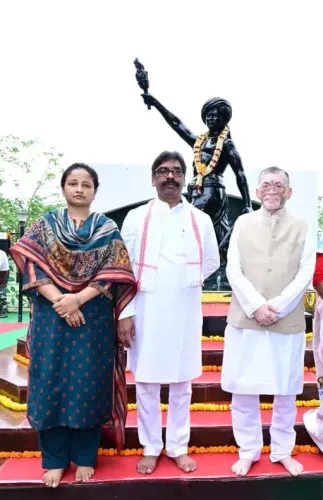
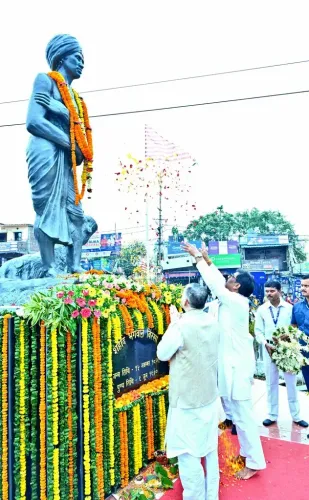
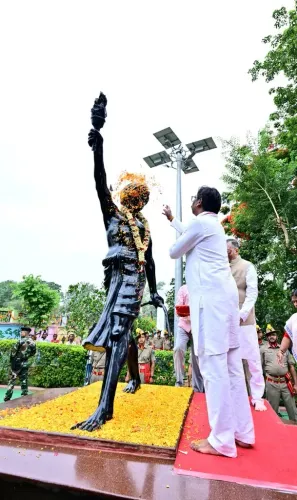
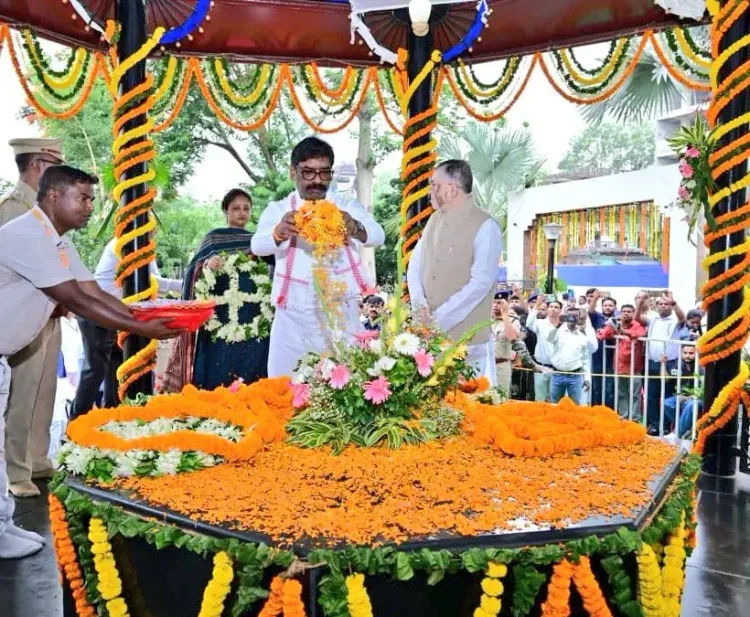
Jharkhand Chief Minister Hemant Soren on Tuesday, June 9, 2026, paid floral tribute to tribal icon Bhagwan Birsa Munda at his samadhi sthal (memorial) in Ranchi on the occasion of Birsa Munda Shaheed Diwas, marking the martyrdom anniversary of the revered Munda leader.
Context
Posting in Hindi on X, CM Soren offered 'shat-shat naman' — a deep, hundredfold salutation — to Bhagwan Birsa Munda, widely venerated as Dharti Aaba (Father of the Earth). He wrote: 'On the martyrdom day of Dharti Aaba Bhagwan Birsa Munda, I offer my deepest salutations. Today, I paid floral tribute at his memorial in Ranchi.' Soren further noted that Birsa Munda gave the supreme sacrifice of his life to protect jal, jungle, zameen (water, forest, land), self-respect, and the identity of Adivasi and indigenous communities.
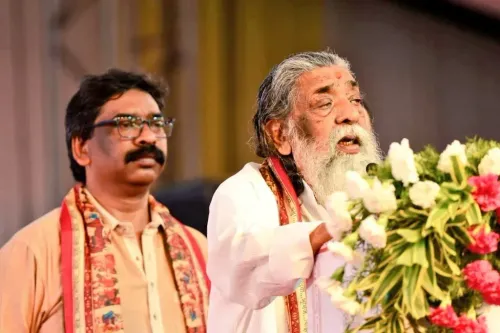
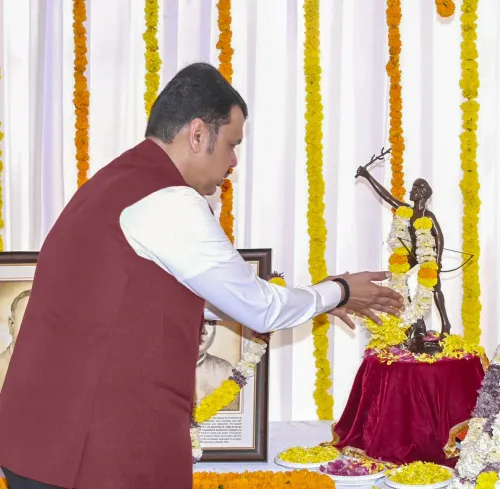
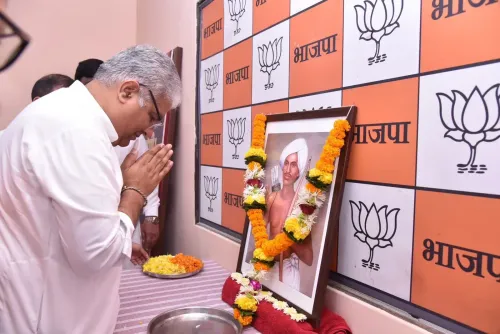
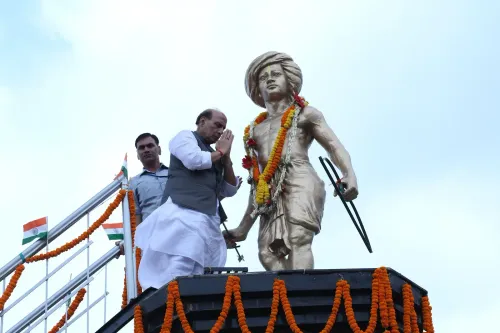
The post was accompanied by four images from the wreath-laying ceremony at the Ranchi memorial site.
Policy Backdrop
Birsa Munda (1875–1900) led the Ulgulan movement — a sweeping uprising against British colonial rule in the Chota Nagpur region — championing the protection of tribal land, forests, and water resources. He died in British custody on June 9, 1900, at the age of just 25, and has since become the defining symbol of Adivasi resistance and dignity.
Since Jharkhand attained statehood in 2000, successive state governments have observed June 9 as Birsa Munda Shaheed Diwas with official wreath-laying ceremonies at his Ranchi memorial. The day holds deep constitutional and cultural significance in a state where tribal communities make up a substantial share of the population.
Stakeholders and Impact
The commemoration carries direct resonance for Jharkhand's Adivasi communities, for whom jal, jungle, zameen is not merely a slogan but an ongoing assertion of land and forest rights. The state sits atop some of India's richest mineral belts, and debates over land acquisition, forest rights implementation, and displacement of indigenous communities remain live political and legal issues.
CM Soren and his party, the Jharkhand Mukti Morcha (JMM), have historically anchored their political identity in tribal rights advocacy. Annual observances such as Shaheed Diwas reinforce that positioning while also serving as a moment of broader public reflection on indigenous rights across the country.
What's Next
The tribute comes as Jharkhand's legislative calendar heads into the second half of 2026, with tribal welfare legislation and forest rights implementation expected to feature in upcoming assembly sessions. How the government translates the symbolic commitments of Shaheed Diwas into concrete policy — particularly on land rights in mineral-rich districts — will be closely watched by Adivasi rights groups and opposition parties alike.
Point of View
Jungle, zameen framework — Birsa Munda's original battle cry — Soren simultaneously honours history and signals his government's continued resistance to land alienation in Jharkhand's mineral-rich heartland. The gesture is inseparable from the JMM's founding ideology and its competition with rival parties for the trust of Adivasi voters. As forest rights implementation and land acquisition pressures intensify, how the government converts such symbolic moments into legislative action will define the credibility of that commitment.
NationPress
23 Oct 2026
Frequently Asked Questions
Why is June 9 celebrated as Birsa Munda Shaheed Diwas?
June 9 marks the death anniversary of Birsa Munda , who died in British custody on June 9, 1900 , after leading the Ulgulan uprising against colonial rule in the Chota Nagpur region. Jharkhand has observed the day as Shaheed Diwas since the state's formation in 2000 .
Who is Dharti Aaba Birsa Munda?
Birsa Munda ( 1875–1900 ) was a Munda tribal leader revered as Dharti Aaba (Father of the Earth). He led a mass movement to protect tribal land, forests, and water rights against British colonial encroachment and is considered the defining symbol of Adivasi resistance in Jharkhand .
What does 'jal, jungle, zameen' mean in the context of Birsa Munda?
Jal, jungle, zameen — meaning water, forest, and land — was the core of Birsa Munda's movement, asserting Adivasi communities' rights over their natural resources against colonial and feudal dispossession. The phrase remains a rallying call for tribal rights movements across Jharkhand and central India today.
What did CM Hemant Soren do on Birsa Munda Shaheed Diwas 2026?
CM Hemant Soren visited the samadhi sthal of Bhagwan Birsa Munda in Ranchi on June 9, 2026 , offered floral tributes, and posted a Hindi tribute on X honouring Munda's sacrifice for Adivasi identity, land, and self-respect.
What is the Jharkhand Mukti Morcha's connection to Birsa Munda's legacy?
The Jharkhand Mukti Morcha (JMM) , of which Hemant Soren is executive president, was founded on the principles of tribal rights and autonomy that Birsa Munda championed. The party treats annual observances like Shaheed Diwas as a reaffirmation of its commitment to Adivasi land, forest, and identity rights.