CM Sukhu Pushes ALS Ambulances to Strengthen HP Emergency Care
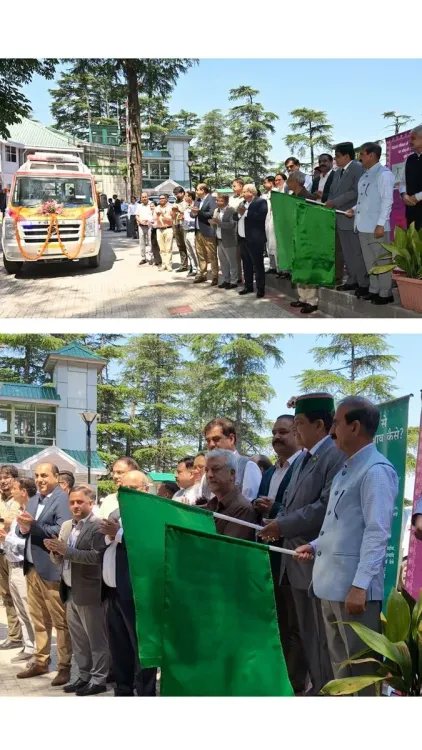
Synopsis
Himachal Pradesh Chief Minister Sukhvinder Singh Sukhu has declared ALS ambulances a cornerstone of his government's emergency health strategy, emphasising on-site critical care and Golden Hour survival as priorities for the mountainous state's dispersed population.
Key Takeaways
CM Sukhvinder Singh Sukhu described Advanced Life Support (ALS) ambulances as 'moving life-saving centres' in a post on 8 June 2026 .
The government's stated goal is to strengthen survival chances during the 'Golden Hour' — the critical window after a trauma or cardiac event.
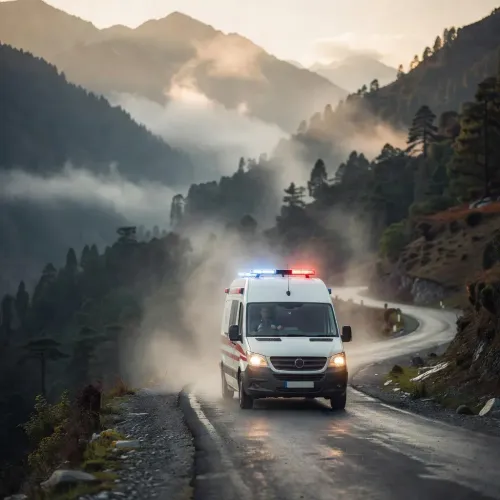
Himachal Pradesh's mountainous terrain makes pre-hospital stabilisation especially vital, as transport times to hospitals are often long.
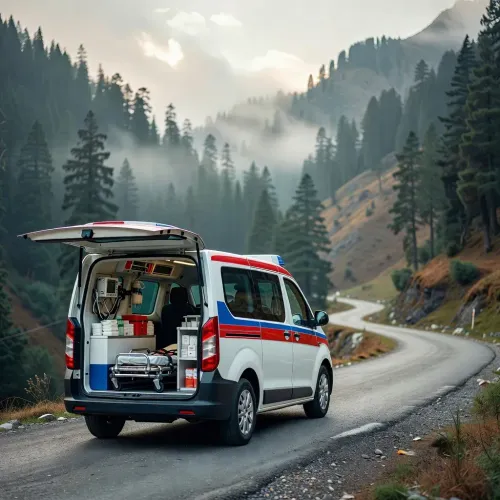
ALS ambulances carry advanced equipment enabling paramedics to deliver cardiac monitoring, defibrillation, and IV therapy at the emergency site.
The initiative builds on the national 108 emergency ambulance service framework established under the National Health Mission .
District-wise deployment details and paramedic training programmes are awaited from the state health department.
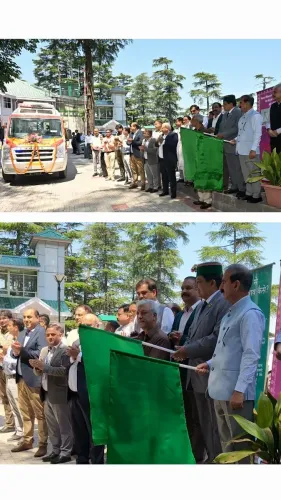
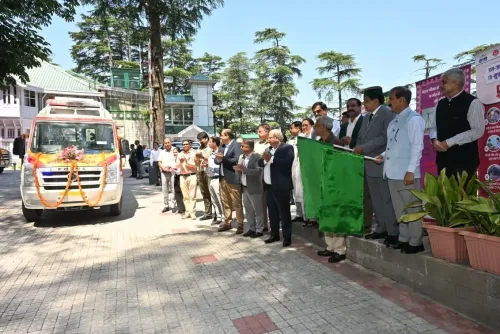
Himachal Pradesh Chief Minister Sukhvinder Singh Sukhu on Monday, 8 June 2026, reaffirmed his government's commitment to expanding Advanced Life Support (ALS) ambulance coverage across the state, describing the vehicles as 'moving life-saving centres' capable of delivering critical care at the scene of an emergency.
Posting in Hindi on X, CM Sukhu stated: 'जन-जन के स्वास्थ्य एवं जीवन की सुरक्षा हमारी सरकार की सर्वोच्च प्राथमिकता है' — 'Protecting the health and life of every person is the highest priority of our government.' He added that ALS ambulances would provide advanced and rapid medical facilities to patients at the site of an emergency, and that the government's goal is to strengthen the chances of survival during the 'Golden Hour' while making the entire process of reaching a hospital safer and more organised.
Context
Himachal Pradesh's mountainous terrain has long posed a structural challenge to emergency medical response. Winding hill roads and dispersed settlements mean that transport time to the nearest hospital can be dangerously long, making pre-hospital stabilisation a matter of life and death. CM Sukhu, who assumed office in December 2022, has repeatedly positioned healthcare access as a flagship concern of his Indian National Congress-led administration.
The 'Golden Hour' — the critical window immediately following a trauma or cardiac event during which medical intervention dramatically improves survival odds — is a well-established concept in emergency medicine. ALS ambulances, unlike basic transport vehicles, carry advanced equipment and trained paramedics who can initiate interventions such as cardiac monitoring, defibrillation, and intravenous therapy before the patient reaches a hospital.
Policy Backdrop
India's emergency ambulance infrastructure has evolved significantly since the 108 emergency service was rolled out nationally from the mid-2000s under the National Rural Health Mission, later subsumed into the National Health Mission (NHM). That programme established a baseline of Basic Life Support ambulances across states. The current push by several state governments, including Himachal Pradesh, represents the next tier — upgrading fleets to ALS configurations that can deliver on-site advanced medical interventions.
The National Health Mission provides both funding frameworks and operational guidelines that states draw upon when procuring and deploying ALS-equipped vehicles. State-level implementation, however, varies considerably, and mountainous states face higher per-unit deployment costs due to terrain and road conditions.
Stakeholders and Impact
The primary beneficiaries are Himachal Pradesh's emergency patients — particularly those in rural and semi-urban areas far from district hospitals. Residents of remote valleys and high-altitude villages stand to gain the most, as even a modest reduction in pre-hospital deterioration can translate into significantly better clinical outcomes. Paramedics and emergency health workers will also need enhanced training to operate the advanced equipment these ambulances carry.
The broader public health system benefits as well: patients who arrive at hospitals in a stabilised condition place less acute demand on emergency wards, potentially easing pressure on the state's limited tertiary care infrastructure.
What's Next
The state health department is expected to detail district-wise deployment plans and any associated paramedic training programmes in the coming weeks. Observers will watch for specific procurement numbers, operational timelines, and how the rollout is distributed between high-traffic highway corridors and more isolated mountain communities. The degree to which NHM funding is leveraged versus state budget allocation will also shape the pace and scale of the initiative.
If implemented effectively, the ALS expansion could serve as a model for other Himalayan states grappling with the same geographic constraints on emergency care delivery.
Point of View
His government frames a fleet upgrade as a life-or-death imperative rather than routine procurement. The announcement fits a broader pattern of Congress-governed hill states seeking to differentiate themselves on healthcare delivery at a time of intense competition over welfare credentials. The real test will be in the numbers: how many ALS units are deployed, in which districts, and with what paramedic capacity — details that will determine whether this is transformative policy or aspirational messaging.
NationPress
22 Oct 2026
Frequently Asked Questions
What is an ALS ambulance and how is it different from a normal ambulance?
An Advanced Life Support (ALS) ambulance is equipped with advanced medical devices — such as cardiac monitors, defibrillators, and IV-therapy kits — and staffed by trained paramedics who can begin critical interventions at the emergency site, unlike basic transport ambulances that primarily move patients to hospital.
What is the 'Golden Hour' in emergency medicine?
The 'Golden Hour' refers to the critical period immediately after a severe trauma or cardiac event during which prompt medical treatment significantly improves the patient's chance of survival and recovery.
Why does Himachal Pradesh need special ambulance arrangements?
Himachal Pradesh's mountainous terrain and dispersed settlements mean that reaching a hospital can take considerably longer than in plains states, making on-site stabilisation through ALS ambulances especially important for reducing pre-hospital mortality.
Is the ALS ambulance programme funded by the central government?
The National Health Mission provides a funding framework and operational guidelines that states use to procure and deploy ambulances; however, specific allocations and procurement details for the current Himachal Pradesh initiative have not been publicly confirmed.
When did CM Sukhu make this announcement about ALS ambulances?
Chief Minister Sukhvinder Singh Sukhu posted about the ALS ambulance initiative on 8 June 2026 via his official account on X.