CM Sukhu: Shimla must balance development with heritage

Synopsis
Chief Minister Sukhvinder Singh Sukhu has called for a sustained balance between development and aesthetic preservation in Shimla, stressing that the hill capital must modernise without losing its historic dignity. The statement signals the Himachal Pradesh government's continued focus on heritage-sensitive urban planning for the former British summer capital.
Key Takeaways
CM Thakur Sukhvinder Singh Sukhu stated on 8 June 2026 that development and beauty must be balanced in Shimla .
He emphasised preserving Shimla's historical dignity while enabling the city to become modern and prosperous.
Shimla was included in the national Smart Cities Mission in 2016 , linking infrastructure upgrades with heritage zone protection.
The city's tourism industry and roughly two lakh residents are key stakeholders in how this balance is implemented.
Concrete policy follow-through — such as an updated development plan or heritage-linked budget allocations — is yet to be announced.
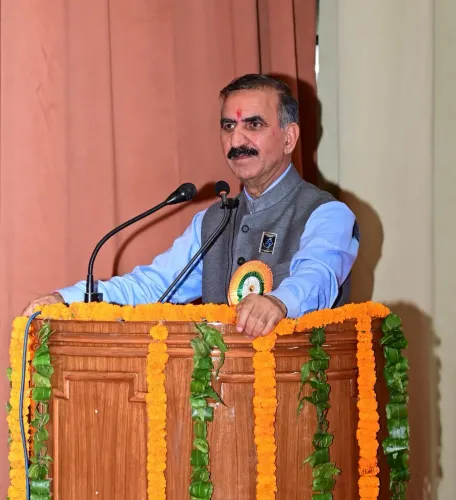
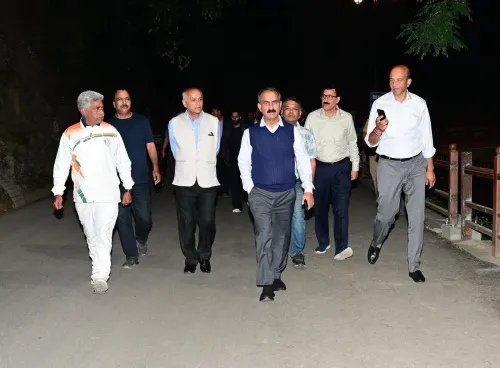
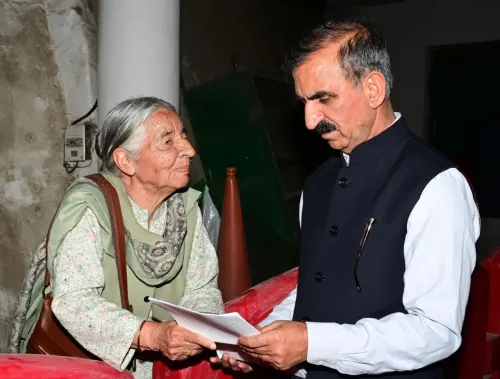
Chief Minister Thakur Sukhvinder Singh Sukhu on Monday, 8 June 2026, reaffirmed his government's commitment to ensuring that Shimla grows as a modern city without sacrificing its historic character, stating that development and aesthetic preservation must go hand in hand in the hill capital.
Context
Posting through the Chief Minister's Office of Himachal Pradesh on X, CM Sukhu said: 'Hamara prayas hai ki Shimla mein vikas aur saundarya ka santulan bana rahe, taki yeh apni aitihasik garima ko sanjoe rakhte hue aadhunik aur samriddh bane.' In English: 'Our endeavour is that a balance between development and beauty is maintained in Shimla, so that it remains modern and prosperous while preserving its historical dignity.'
The statement positions urban planning for Shimla as a dual mandate — infrastructure-led growth on one side, and the protection of the city's colonial-era architectural and cultural identity on the other.
Policy Backdrop
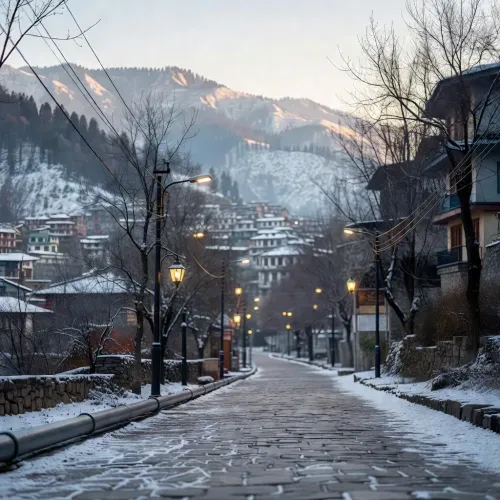
Shimla, the capital of Himachal Pradesh and the former summer capital of British India, carries a dense legacy of Victorian and Edwardian architecture. The city was included in the national Smart Cities Mission in 2016, which sought to upgrade civic infrastructure while ring-fencing designated heritage zones from unchecked construction.
Indian hill states have long navigated the tension between expanding urban footprints and protecting ecological and heritage assets. Revised municipal master plans and stricter building-regulation frameworks have been the primary instruments used to manage this balance across comparable hill towns.
Stakeholders and Impact
Shimla's roughly two lakh residents stand to be the most direct beneficiaries of any policy that improves civic amenities while keeping the city's character intact. The tourism industry, which draws visitors to Shimla precisely for its heritage streetscapes, colonial-era buildings, and natural surroundings, also has a strong stake in how development norms evolve.
Unplanned construction and infrastructure overload have in the past strained the city's water supply, roads, and ridge areas. A stated government intent to balance growth with aesthetics signals that such concerns remain central to the Sukhu administration's urban agenda.
What's Next
Observers will watch for concrete follow-through in the form of an updated Shimla development plan, heritage-linked funding announcements in the next state budget, or new urban-affairs notifications from the Government of Himachal Pradesh. CM Sukhu's statement, while directional in tone, sets a clear public benchmark against which future planning decisions in the hill capital will be measured.
If translated into enforceable policy, the commitment could shape building regulations, tourism infrastructure investment, and conservation funding for one of North India's most visited cities for years to come.
Point of View
It reads as a proactive framing exercise ahead of what could be significant urban-development decisions in the next budget cycle. The invocation of 'historical dignity' alongside 'modern and prosperous' reflects a broader pattern among Indian hill-state governments that have learned, sometimes through court interventions, that unregulated growth in ecologically and architecturally sensitive towns carries serious political and legal costs.
NationPress
24 Oct 2026
Frequently Asked Questions
What did CM Sukhu say about Shimla's development?
CM Sukhvinder Singh Sukhu said the government's endeavour is to maintain a balance between development and beauty in Shimla, so the city can become modern and prosperous while preserving its historical dignity.
Is Shimla part of the Smart Cities Mission?
Yes, Shimla was included in the national Smart Cities Mission in 2016, which aims to upgrade civic infrastructure while protecting designated heritage zones.
Why is heritage conservation important for Shimla?
Shimla served as the summer capital of British India and retains significant Victorian and Edwardian architecture. Its heritage character is a core draw for tourism, making conservation central to the city's economic and cultural identity.
Who is Thakur Sukhvinder Singh Sukhu?
Thakur Sukhvinder Singh Sukhu is the Chief Minister of Himachal Pradesh, in office since December 2022, representing the Indian National Congress, with a stated focus on sustainable infrastructure.
What policy changes could follow CM Sukhu's statement on Shimla?
Observers are watching for an updated Shimla development plan, heritage-linked funding in the next state budget, or new building-regulation notifications from the Himachal Pradesh government.