CM Sukhu Vows to Protect Shimla's Natural Beauty
Synopsis
Chief Minister Sukhvinder Singh Sukhu has declared that protecting Shimla's natural beauty, peace and simplicity while advancing sustainable development and infrastructure modernisation is a government priority, renewing focus on the long-standing conservation-versus-growth debate in the Himalayan hill capital.
Key Takeaways
CM Sukhvinder Singh Sukhu publicly reaffirmed on 24 May 2026 that preserving Shimla 's natural character is a government priority.
He specifically linked conservation to sustainable development and infrastructure modernisation , not preservation alone.
The Sukhu government has, since December 2022 , committed to integrating sustainable development goals into Himachal Pradesh 's urban planning.
Shimla 's tourism industry and residents are key stakeholders in any policy shift affecting the hill city's built and natural environment.
The next Shimla Development Plan revision and slope-stabilisation budget allocations will be the concrete test of this stated priority.
Himalayan states face a persistent tension between economic modernisation and ecological fragility, making such statements politically and practically significant.
Himachal Pradesh Chief Minister Sukhvinder Singh Sukhu reaffirmed on Sunday, 24 May 2026, that preserving Shimla's natural character while modernising its infrastructure remains a top priority for his government. Responding to a post on X, the Chief Minister underlined that sustainable development and heritage conservation must go hand in hand for the hill capital.
Context
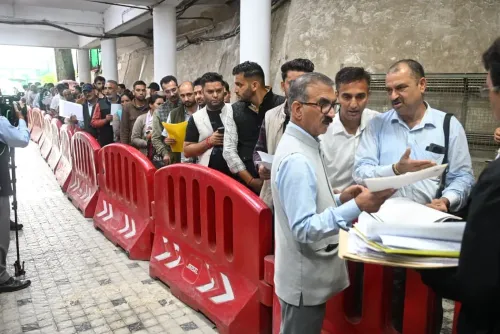
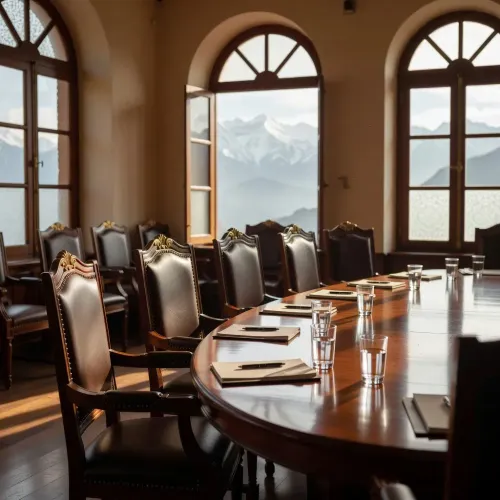
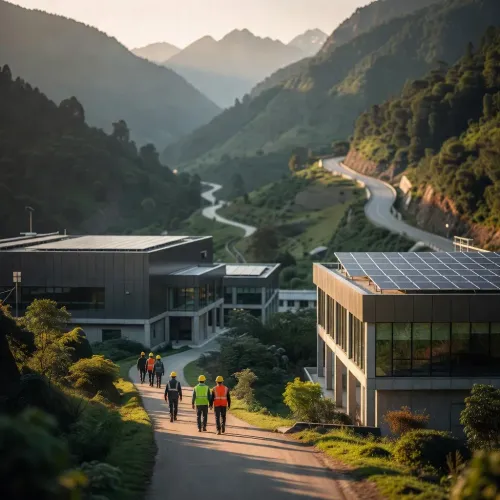
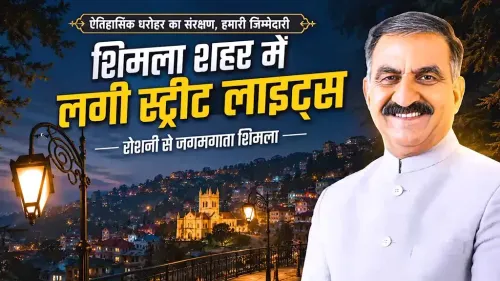
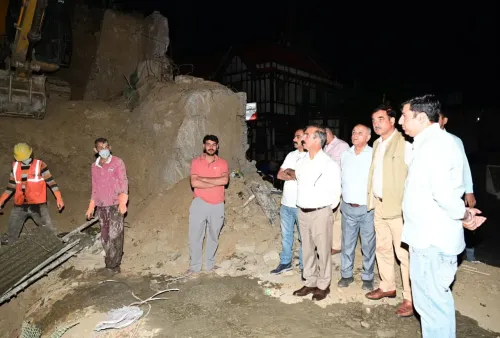
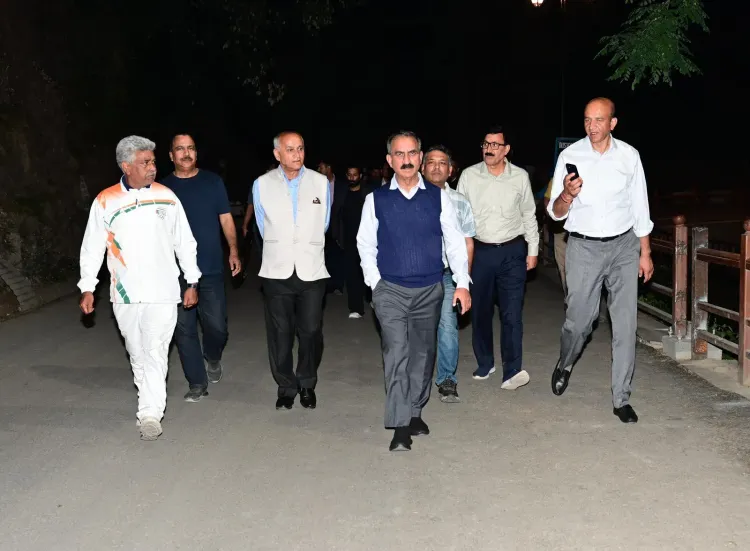
In his reply, CM Sukhu wrote: 'Shimla hamesha se apni prakritik sundarta, shanti aur sadagi ke liye jana jata hai' ['Shimla has always been known for its natural beauty, peace and simplicity']. He added that preserving these qualities alongside sustainable development and infrastructure modernisation is the government's priority. The post, accompanied by three images, signals a deliberate public communication around the state capital's development direction.
Policy Backdrop
Since taking office in December 2022, the Sukhu government has stated its intention to embed sustainable development goals into Himachal Pradesh's urban planning framework. Shimla, as the state capital and a major tourism hub, sits at the centre of a long-running tension between economic growth and ecological fragility. Successive state administrations have issued master plans and green-building norms restricting construction in core green zones, a policy lineage stretching back to the 2010s.
The broader Himalayan context sharpens the challenge: Himachal Pradesh faces mounting pressure from tourist footfall, road-expansion projects and climate-induced landslides, all of which strain the region's delicate ecology. Town-planning exercises for Shimla have repeatedly had to balance heritage-zone protection with demands for modern civic amenities.
Stakeholders and Impact
Shimla's residents stand to be most directly affected by any shift in development policy — whether through improved roads and utilities or through tighter construction curbs designed to protect green cover and colonial-era architecture. The city's tourism industry, which drives a significant share of the local economy, is equally invested: visitors are drawn precisely by the natural scenery and historic character that aggressive development could erode.
Environmental groups and urban planners have long argued that unchecked construction on Shimla's slopes accelerates soil erosion and increases landslide risk, making the Chief Minister's framing of conservation as a 'priority' politically and practically significant for multiple constituencies.
What's Next
Attention will now turn to whether CM Sukhu's statement translates into concrete budgetary or regulatory action. The next revision of the Shimla Development Plan and any fresh allocations for slope-stabilisation or heritage-zone infrastructure projects will be the clearest indicators of how the government intends to operationalise its conservation-with-modernisation pledge. Any formal policy announcement is likely to face scrutiny from both environmental advocates seeking stricter green-zone protections and industry stakeholders pushing for expanded infrastructure investment.
Point of View
Urban planners, the tourism industry and Shimla's residents. By pairing 'conservation' with 'modernisation' rather than positioning them as opposites, he is navigating a political tightrope that Himalayan state governments have struggled with for decades. The framing mirrors a broader Congress-governed-state tendency to anchor infrastructure ambition in sustainability language, especially ahead of potential development-plan revisions. Whether this remains rhetorical positioning or becomes binding policy will depend on what the next budget cycle and planning documents actually deliver.
NationPress
8 Oct 2026
Frequently Asked Questions
What did CM Sukhu say about Shimla's development?
CM Sukhu said that preserving Shimla's natural beauty, peace and simplicity alongside sustainable development and infrastructure modernisation is the Himachal Pradesh government's top priority.
What is the Shimla Development Plan?
The Shimla Development Plan is a statutory urban planning document that governs land use, construction norms and green-zone boundaries in Shimla; it is periodically revised and has historically sought to limit construction in ecologically sensitive areas.
Why is sustainable development a concern in Shimla?
Shimla sits on fragile Himalayan slopes and faces pressure from growing tourist footfall, road expansion and climate-induced landslides, making unchecked construction a risk to both the environment and the safety of residents.
Who is Sukhvinder Singh Sukhu?
Sukhvinder Singh Sukhu is the Chief Minister of Himachal Pradesh and an Indian National Congress leader who has held the office since December 2022.
How does Shimla's tourism industry relate to conservation policy?
Shimla's tourism economy depends heavily on the natural scenery and colonial-era heritage that attract visitors, meaning that policies protecting green cover and heritage zones directly affect the industry's long-term viability.