CM Sukhu calls on Gen-Z to harness Himachal's river power
Synopsis
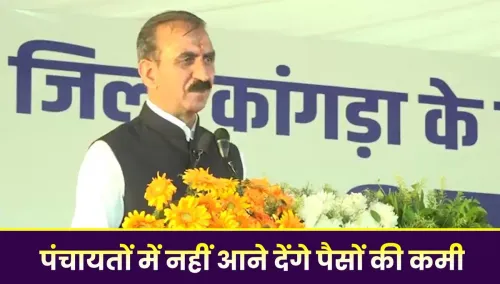
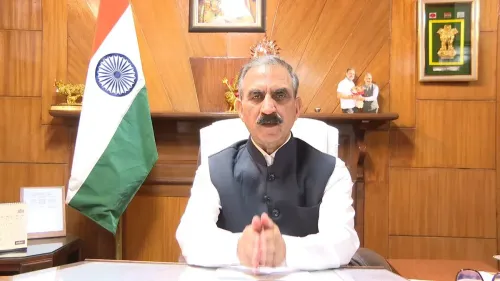
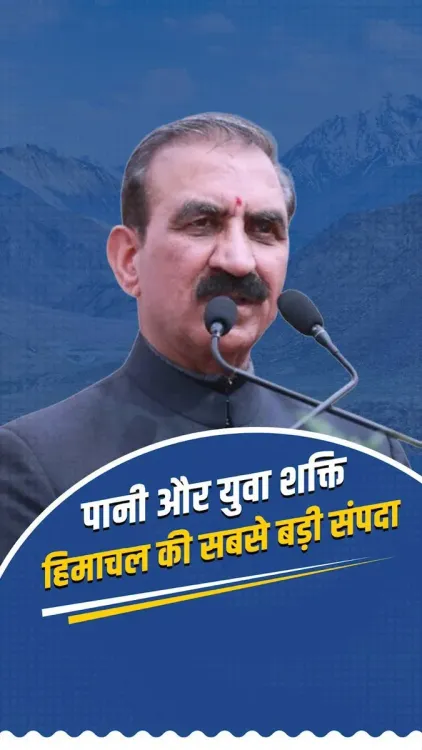
Chief Minister Sukhvinder Singh Sukhu has called on Himachal Pradesh's Gen-Z to recognise the state's river systems as its most powerful natural asset, arguing that harnessing flowing water is the path to a self-reliant and prosperous Himachal.
Key Takeaways
CM Sukhvinder Singh Sukhu posted on 12 August 2026 urging Gen-Z to engage with Himachal's water resources.
He described flowing water as Himachal Pradesh's greatest natural asset and the key to state self-reliance.
Himachal's economy depends heavily on the Sutlej, Beas, and Ravi river systems for hydroelectric revenue.
The appeal targets youth specifically, framing them as the generation that will shape water-resource policy.
The message fits a broader pattern of Himalayan state governments connecting youth identity to natural resource development.
Himachal Pradesh's rivers have powered the state's economy for decades — and now Chief Minister Sukhvinder Singh Sukhu wants the youngest generation to understand exactly what is at stake in those rushing waters. In a post on 12 August 2026, Sukhu made a direct appeal to Gen-Z, framing Himachal's flowing rivers not as scenery but as the foundation of a self-reliant future.
Writing in Hindi, the Chief Minister declared: 'हमारी युवा पीढ़ी- GEN-Z- नई सोच, नई ऊर्जा और बदलाव का जज़्बा रखने वाली पीढ़ी है' — 'Our young generation, Gen-Z, is a generation with new thinking, new energy, and the spirit of change.' He then pivoted sharply to purpose: it is time, he said, for that young energy to grasp the strength and potential of Himachal's greatest natural asset — its flowing water.
Why rivers are Himachal's economic backbone
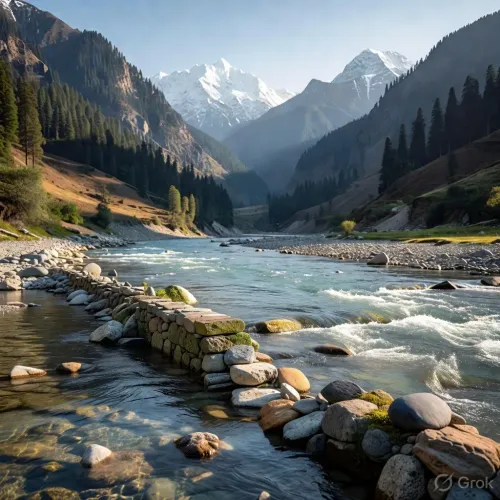
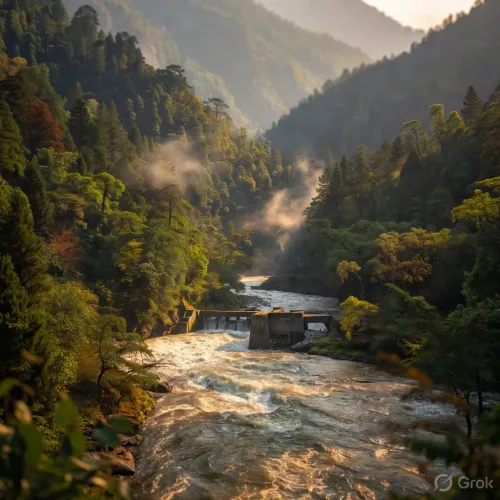
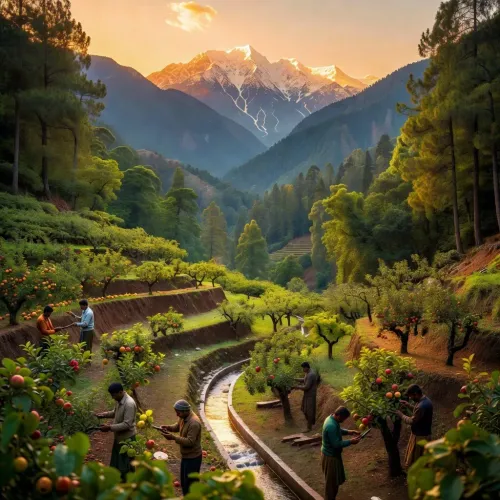
Himachal Pradesh sits atop three major river systems — the Sutlej, Beas, and Ravi — that drain the western Himalayas and carry snowmelt year-round. Hydroelectric generation built on these rivers contributes substantially to state revenue and supplies power well beyond Himachal's own borders. The sector is not a side industry; it is the structural engine of the state's finances.
Sukhu's message — that 'flowing water will make Himachal self-reliant, empowered, and prosperous' — lands in that context. The appeal to youth is deliberate: Gen-Z will inherit both the resource and the policy decisions that determine how it is used. Getting that generation to see rivers as economic and strategic assets, not just environmental ones, is a long-game move.
A pattern across Himalayan states
Himachal is not alone in this framing. Across Himalayan and hill states, governments have periodically used public messaging to connect younger citizens to natural resource narratives — linking identity, pride, and livelihood to geography. What makes Sukhu's appeal notable is its directness: he names the generation, names the resource, and names the outcome in a single breath.
The post arrives as hydropower policy and water-resource management remain live debates across northern India, with questions of revenue-sharing, environmental clearances, and energy transition all in play. Whether this message precedes a concrete youth outreach programme or policy announcement on water resources remains to be watched.
Rivers do not wait. And if Sukhu's appeal lands, neither will the next generation of Himachalis.
Point of View
A register that resonates across the political spectrum. For a Congress government in a fiscally constrained hill state, hydropower is one of the few levers that can genuinely move the needle on revenue without central transfers. By framing rivers as a generational inheritance rather than a technical policy matter, Sukhu is attempting to build a durable public constituency for hydropower expansion before the harder regulatory and environmental debates arrive. Watch for whether this messaging precedes a formal youth programme or a push for revised water-revenue agreements with the centre.
NationPress
12 Aug 2026
Frequently Asked Questions
What did CM Sukhu say about Gen-Z and Himachal's water resources?
CM Sukhvinder Singh Sukhu posted on 12 August 2026 urging Himachal's Gen-Z to understand the strength and potential of the state's flowing rivers, calling water Himachal's greatest natural asset and the foundation of a self-reliant future.
Why is water so important to Himachal Pradesh's economy?
Himachal Pradesh's rivers — the Sutlej, Beas, and Ravi — form the basis of its hydroelectric sector, which contributes substantially to state revenue and supplies power across northern India.
What does self-reliance mean for Himachal Pradesh in the context of rivers?
In Sukhu's framing, harnessing the hydropower potential of Himachal's rivers can reduce the state's dependence on central transfers and build a sustainable local revenue base, making the state economically empowered.
Has Sukhu announced any specific Gen-Z water programme?
No specific programme has been confirmed. The post is a public appeal; any concrete youth outreach or policy initiative linked to water resources would be a subsequent announcement to watch.
How does Himachal Pradesh's hydropower sector compare with other Himalayan states?
Like other Himalayan states, Himachal has historically used river systems for hydroelectric generation. Its three major river basins give it significant installed and potential capacity, making water resources central to its economic identity in a way that mirrors but also distinguishes it from neighbours.