CM Sukhu Claims Credit for Clearing BBMB Arrears via Kishau Dam Pressure
Synopsis
CM Sukhvinder Singh Sukhu says Himachal Pradesh broke a potentially 20-year BBMB arrears deadlock by conditioning its Kishau Dam agreement on Haryana filing a Supreme Court affidavit and Central government support — a pressure tactic he says no previous state government had the resolve to use.
Key Takeaways
CM Sukhu claims full credit for clearing BBMB arrears for Himachal Pradesh, attributing the breakthrough to deliberate political pressure.
Himachal conditioned its consent on the Kishau Dam project agreement on Haryana filing an affidavit in the Supreme Court of India .
The Central government was also required to extend its support before Himachal agreed to proceed.
CM Sukhu warned the arrears could have remained unresolved for up to 20 years without this pressure strategy.
The Bhakra Beas Management Board (BBMB) manages shared water and power assets across Punjab, Haryana, Himachal Pradesh , and Rajasthan .
Actual disbursement of arrears and the Supreme Court affidavit filing remain the next milestones to watch.
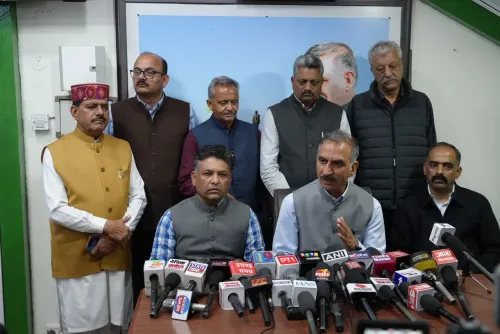
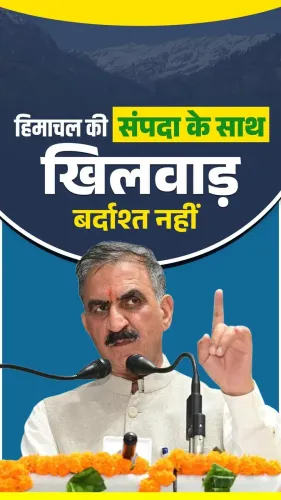
A decades-old financial standoff just moved — and Himachal Pradesh Chief Minister Sukhvinder Singh Sukhu says his government's hard bargaining is the reason why. Speaking on Wednesday, 18 November 2026, CM Sukhu declared that the Bhakra Beas Management Board (BBMB) arrears dispute was resolved only because Himachal Pradesh used the Kishau Dam project as leverage against both the Haryana government and the Central government — and refused to budge until they complied.
The Kishau Dam card: how Shimla forced Delhi and Haryana to act
CM Sukhu laid out the terms his government set: unless Haryana filed an affidavit in the Supreme Court of India and the Central government backed the move, Himachal Pradesh would not sign any agreement on the Kishau Dam project. The Chief Minister stated plainly — 'हमने शर्त रखी थी' (we had placed a condition) — that his administration's consent for the inter-state dam agreement was the one piece of leverage Shimla held, and it used it deliberately.
The tactic worked, he argues. Both Haryana and the Centre eventually fell in line after Himachal refused to relent. Without that pressure, CM Sukhu warned, the BBMB arrears 'could have been stuck for even 20 years.' The full credit for clearing that path, he said, belongs to the 'current government of Himachal Pradesh.'
What the BBMB arrears dispute is actually about
The Bhakra Beas Management Board is a statutory federal body that manages the shared water and hydropower resources of the Bhakra and Beas projects across Punjab, Haryana, Himachal Pradesh, and Rajasthan. Himachal Pradesh has long argued it deserves a larger share of revenues and pending dues from BBMB infrastructure built on its own territory — a grievance that has festered through multiple state and central administrations.
Linking the clearance of financial arrears to consent for new inter-state infrastructure is not new in India's federal water politics. What CM Sukhu is claiming is that his government actually pulled the trigger on that tactic — and got results where previous administrations did not.
The Kishau Dam: why Himachal's sign-off matters
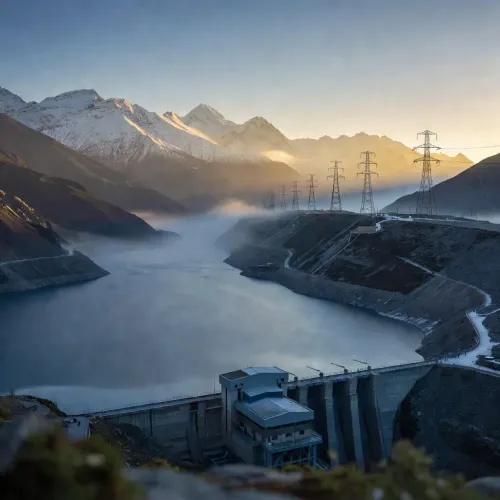
The Kishau Dam is a proposed multipurpose project on the Yamuna river, requiring a formal inter-state compact in which Himachal Pradesh is a key party. Without Shimla's agreement, the project cannot proceed. That veto power is precisely what CM Sukhu says his government weaponised — making BBMB arrears clearance the price of Himachal's cooperation on Kishau.
The next critical test is whether the Supreme Court affidavit is actually filed by Haryana, and whether the BBMB arrears are disbursed as promised. A commitment extracted under political pressure is only as good as its follow-through.
Point of View
A tactic common in India's inter-state water governance but rarely acknowledged so openly by a sitting chief minister. By publicly claiming full credit, Sukhu is simultaneously shoring up his government's credibility ahead of any disbursement timeline, and signalling to Shimla that Congress-led Himachal punches above its weight in multi-state negotiations. The 20-year counterfactual is impossible to verify, but the political logic is sound: Himachal's veto on Kishau Dam was real leverage, and using it was a rational choice. The durability of this win depends entirely on whether Haryana follows through on the Supreme Court affidavit — without that filing, the arrears pathway could quietly close again.
NationPress
18 Nov 2026
Frequently Asked Questions
What are BBMB arrears and why does Himachal Pradesh claim them?
BBMB arrears refer to pending financial dues owed to Himachal Pradesh from the Bhakra Beas Management Board, which manages shared water and hydropower infrastructure built partly on Himachal's territory. Himachal has long argued it is owed a greater revenue share from these shared assets.
What is the Kishau Dam and why is it connected to BBMB arrears?
The Kishau Dam is a proposed multipurpose dam on the Yamuna river that requires an inter-state agreement, including Himachal Pradesh's consent. CM Sukhu's government used its power to withhold that consent as bargaining leverage to secure BBMB arrears from Haryana and the Central government.
What condition did Himachal Pradesh place on the Kishau Dam agreement?
Himachal Pradesh demanded that Haryana file an affidavit in the Supreme Court of India regarding the BBMB arrears, and that the Central government extend its support — only then would Himachal agree to proceed with the Kishau Dam project compact.
Has Haryana filed the Supreme Court affidavit on BBMB arrears?
CM Sukhu has stated that Haryana and the Central government agreed to the conditions after Himachal applied pressure, but the actual filing of the affidavit and disbursement of arrears are the next steps to be monitored.
What is the Bhakra Beas Management Board?
The Bhakra Beas Management Board (BBMB) is a statutory federal body that oversees the management of shared water and power resources from the Bhakra and Beas dam projects, with beneficiary states including Punjab, Haryana, Himachal Pradesh, and Rajasthan.