CM Sukhu: Clean Energy, Better Roads to Drive Spiti Growth
Synopsis
Chief Minister Sukhvinder Singh Sukhu says clean energy and improved road connectivity will accelerate development in Spiti, making lives easier for residents while creating new opportunities for tourism, livelihoods, and economic growth in the remote high-altitude valley.
Key Takeaways
CM Thakur Sukhvinder Singh Sukhu announced clean energy and road connectivity initiatives for Spiti Valley on 14 October 2026 .
Spiti , located in Lahaul and Spiti district at over 3,800 metres , is among Himachal Pradesh's most remote and isolated regions.
The twin push targets easier daily life for local residents alongside growth in tourism, livelihoods, and broader economic activity.
Himachal Pradesh has been expanding solar and small-hydro projects in tribal areas since the early 2010s under state renewable energy policy.
Physical progress on road upgradation and solar installations — and the speed of tendering — will be the key metric to watch.
One of India's most remote high-altitude valleys is set for a twin-track push — clean energy and improved road connectivity — that Chief Minister Thakur Sukhvinder Singh Sukhu says will reshape daily life in Spiti and open fresh doors for tourism and livelihoods.
Posting on Wednesday, 14 October 2026, the Chief Minister's Office of Himachal Pradesh shared Sukhu's statement: 'स्वच्छ ऊर्जा और बेहतर सड़क संपर्क से स्पीति में विकास को नई गति मिलेगी' — 'Clean energy and better road connectivity will give new momentum to development in Spiti. These initiatives will make the lives of local people more comfortable and will also create new opportunities for the expansion of tourism, livelihoods, and economic activities.'
Why Spiti's isolation makes every road and solar panel count
Spiti, nestled in the Lahaul and Spiti district at altitudes above 3,800 metres, is one of the coldest and most sparsely populated valleys in Himachal Pradesh. Harsh winters, high passes, and a short annual window of motorable access have long throttled economic activity. A single blocked road can cut villages off for months.
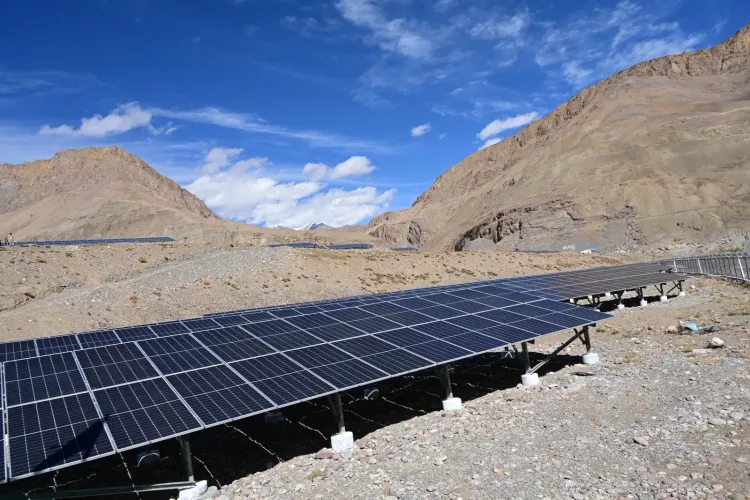
That geography makes the pairing of road upgradation with renewable energy rollout more than symbolic. Reliable power — particularly from solar installations suited to the valley's near-year-round sunshine — directly enables cold-chain agriculture, homestays, digital connectivity, and small businesses that a purely road-focused intervention cannot unlock on its own.
Himachal's wider push into tribal-area renewables
The announcement fits a trajectory Himachal Pradesh has been on since the early 2010s, when the state began expanding solar and small-hydro projects into tribal areas under successive renewable energy policies. The Himalayan region's state governments have increasingly linked road upgradation with low-carbon energy access as a combined strategy to bring isolated valleys into the economic mainstream without repeating the coal-dependent growth patterns of the plains.
CM Sukhu, who took office in December 2022, has consistently positioned Spiti and similarly remote districts as priorities for his administration's development agenda. The valley's rising profile as a high-altitude tourism destination — drawing trekkers, photographers, and Buddhist heritage tourists — adds commercial urgency to the infrastructure gap.
What residents and tourism operators are watching for
The key question now is execution: whether tendering for road projects and solar installations moves swiftly under state or central schemes, and whether physical progress follows before the next winter season closes access routes. For Spiti's residents and the operators who run homestays and local tours, the gap between announcement and groundwork has historically been the critical variable.
If the dual investments materialise on schedule, Spiti could see a meaningful lift in year-round economic activity — turning one of Himachal's most spectacular but most underserved valleys into a model for high-altitude, low-carbon development.
Point of View
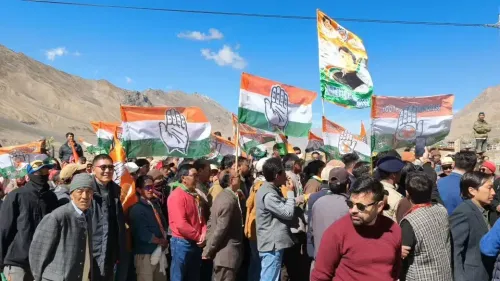
Visible development in constituencies like Spiti helps the Congress government in Shimla counter the narrative that hill-district progress stalled under its watch. The real test will be whether execution timelines survive budget cycles and the valley's brutal winters — Himalayan announcements with no tendering deadline have a long history of fading before the first spade hits the ground.
NationPress
14 Oct 2026
Frequently Asked Questions
What development plans has CM Sukhu announced for Spiti Valley?
CM Sukhvinder Singh Sukhu has announced clean energy and improved road connectivity initiatives for Spiti, aimed at easing daily life and expanding tourism and economic activity in the high-altitude valley.
Why is Spiti Valley important for Himachal Pradesh development?
Spiti is one of Himachal Pradesh's most remote and isolated regions, situated above 3,800 metres in Lahaul and Spiti district. Its harsh terrain limits access for months each year, making infrastructure investment critical for residents' livelihoods and the valley's growing tourism economy.
What kind of clean energy projects are planned for Spiti?
The post references clean energy broadly; Himachal Pradesh has historically focused on solar and small-hydro installations in tribal areas like Spiti, leveraging the valley's abundant high-altitude sunshine. Specific project details have not yet been verified.
When did Sukhvinder Singh Sukhu become Chief Minister of Himachal Pradesh?
Thakur Sukhvinder Singh Sukhu took office as Chief Minister of Himachal Pradesh in December 2022, representing the Congress party.
How does road connectivity affect tourism in Spiti Valley?
Spiti's limited and seasonal road access restricts the flow of tourists and goods. Upgraded roads would extend the viable tourism season, improve supply chains for homestays and local businesses, and connect residents to markets and services year-round.