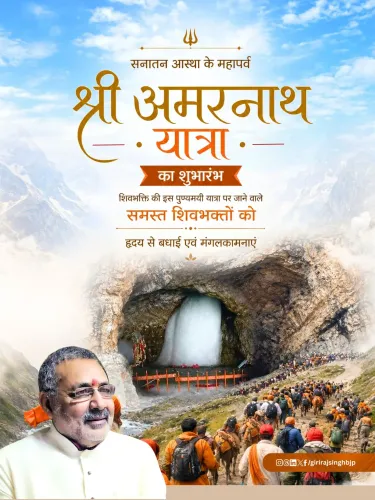
CM Sukhu extends wishes as Amarnath Yatra 2026 begins
Synopsis
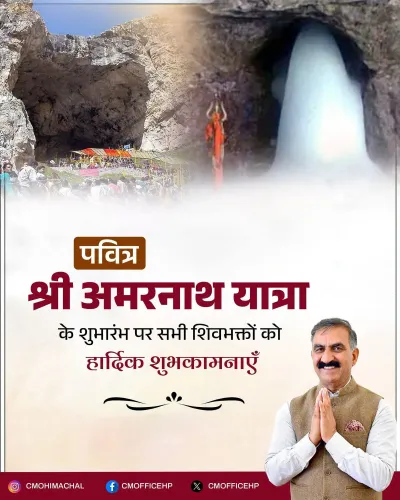
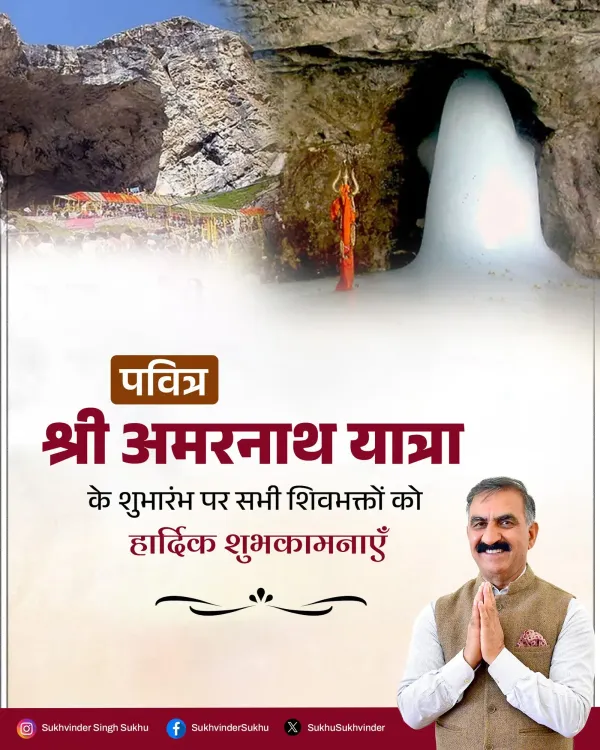
Himachal Pradesh Chief Minister Sukhvinder Singh Sukhu on 3 July 2026 extended greetings as the Amarnath Yatra began, praying that devotees receive peace, courage and prosperity through the darshan of Baba Barfani at the sacred Jammu and Kashmir cave shrine.
Key Takeaways
CM Sukhvinder Singh Sukhu posted goodwill greetings on 3 July 2026 as the Amarnath Yatra commenced.
He described the pilgrimage as 'a divine occasion of faith, devotion and spiritual experience' and invoked Baba Barfani .
The Amarnath Yatra is one of India's largest annual religious gatherings, drawing several lakh pilgrims to Jammu and Kashmir each year.
The Shri Amarnathji Shrine Board , established in 2000 , manages all yatra logistics including registration, security coordination and medical camps.
Himachal Pradesh routinely issues such goodwill messages as many of its residents participate and transit routes sometimes pass through the state.
Himachal Pradesh Chief Minister Sukhvinder Singh Sukhu on Friday, 3 July 2026, extended greetings to pilgrims as the annual Amarnath Yatra commenced, expressing hope that devotees receive peace, courage and prosperity through the sacred darshan of Baba Barfani.
Context
Posting in Hindi on X, CM Sukhu wrote: 'देवाधिदेव महादेव की पावन अमरनाथ यात्रा आज से आरंभ हो रही है' ['The sacred Amarnath Yatra of Lord Mahadev, God of gods, begins today']. He described the pilgrimage as 'a divine occasion of faith, devotion and spiritual experience' and concluded with the traditional invocation 'जय बाबा बर्फ़ानी' ['Victory to Baba Barfani']. His message reflects the customary goodwill extended by neighbouring state governments whose residents participate in the yatra in significant numbers.
Policy Backdrop
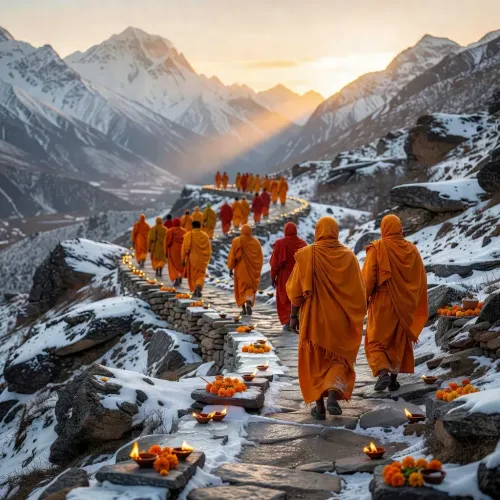
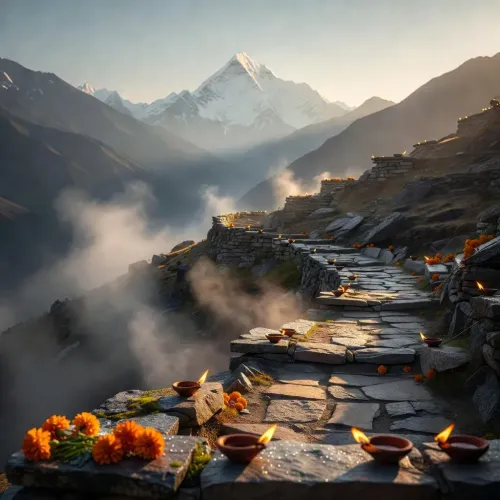
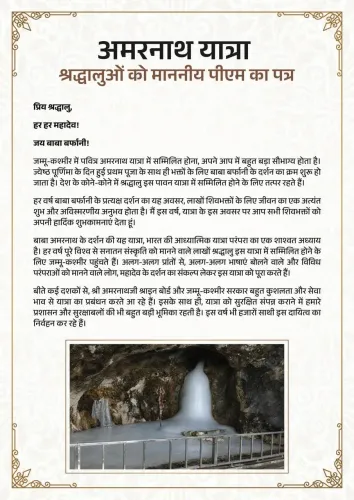
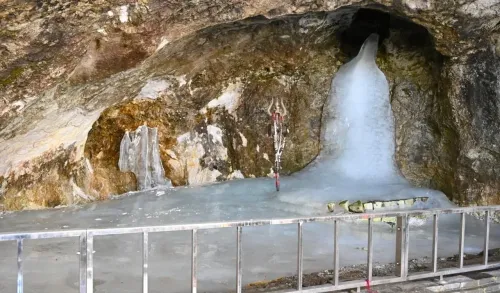
The Amarnath Yatra is among India's largest annual religious gatherings, drawing several lakh pilgrims each year to the Amarnath cave shrine in Jammu and Kashmir, where a naturally formed ice lingam of Lord Shiva — revered as Baba Barfani — forms inside the high-altitude cave. The yatra typically runs from June to August, with the shrine accessible only during these summer months when the mountain passes are navigable. The Shri Amarnathji Shrine Board, constituted under a Jammu and Kashmir legislative act in 2000, oversees all arrangements including pilgrim registration, helicopter services, medical camps and coordination with central security agencies.
The pilgrimage requires extensive multi-agency coordination between the Jammu and Kashmir administration, paramilitary forces, and state governments along transit routes. States such as Himachal Pradesh have historically played a supporting role, as pilgrimage routes and transit corridors sometimes pass through the state and a large share of devotees hail from the region.
Stakeholders and Impact
The primary stakeholders are the lakh-strong community of Hindu pilgrims who undertake the high-altitude trek each season, as well as the Jammu and Kashmir administration responsible for their safety and welfare. Local communities along the yatra route — including porters, pony operators, and traders — depend on the annual pilgrimage for their livelihoods. For the Congress-led Himachal Pradesh government, public messaging around the yatra also carries a cultural and political dimension, signalling the administration's respect for religious sentiment across the region.
What's Next
The Shri Amarnathji Shrine Board is expected to release official figures on pilgrim registrations and logistical arrangements for the 2026 season as the yatra progresses. Security deployment, helicopter schedules and medical infrastructure at base camps will remain under close administrative watch through the pilgrimage's duration. CM Sukhu's message sets a tone of goodwill from Himachal Pradesh, and further state-level facilitation measures for pilgrims transiting through the state may follow.
Point of View
Such messaging serves a dual purpose: genuine goodwill to constituents and a visible reaffirmation of cultural respect. The Amarnath Yatra's scale — drawing lakhs of pilgrims and requiring Centre-state coordination — also makes it a natural occasion for state leaders to signal cooperative governance. The post fits a broader pattern of regional chief ministers using high-visibility religious events to communicate accessibility and shared cultural identity with their electorate.
NationPress
3 Jul 2026
Frequently Asked Questions
When did the Amarnath Yatra 2026 begin?
According to CM Sukhvinder Singh Sukhu's post on 3 July 2026, the Amarnath Yatra commenced that day, though the Shri Amarnathji Shrine Board's official schedule for 2026 would carry the authoritative dates.
What is Baba Barfani?
Baba Barfani refers to the naturally formed ice Shiva lingam inside the Amarnath cave shrine in Jammu and Kashmir, which is the central object of worship during the annual Amarnath Yatra.
Who manages the Amarnath Yatra?
The Shri Amarnathji Shrine Board, constituted under a Jammu and Kashmir legislative act in 2000, manages the yatra, overseeing pilgrim registration, helicopter services, medical camps and security coordination.
Why did Himachal Pradesh CM Sukhu post about the Amarnath Yatra?
Neighbouring states such as Himachal Pradesh routinely extend goodwill messages for the Amarnath Yatra because many of their residents participate as pilgrims and transit routes sometimes pass through the state.
How long does the Amarnath Yatra last?
The Amarnath Yatra typically runs from June to August each year, limited to the summer months when high-altitude mountain passes leading to the cave shrine are navigable.