CM Sukhu Outlines HP's Child Welfare and Education Loan Push
Synopsis
CM Sukhvinder Singh Sukhu details Himachal Pradesh's 'Children of the State' scheme covering orphans till age 27 with air travel perks, full education funding for widows' children, and student loans at 1% interest — one-quarter the central government benchmark rate.
Key Takeaways
Children of the State status provides orphaned children full state financial support up to age 27 , including air travel and 3-star hotel stays during educational trips.
Children of widows receive complete education funding from the Himachal Pradesh government, covering professional courses including medicine and engineering.
Students studying outside HP from families with annual income up to Rs 12 lakh can access loans of up to Rs 20 lakh at 1% interest .
The state's 1% rate compares sharply against the central government's Central Sector Interest Subsidy Scheme , which carries an effective rate of around 4% .
The measures form part of CM Sukhvinder Singh Sukhu's broader social welfare positioning since assuming office in December 2022 .
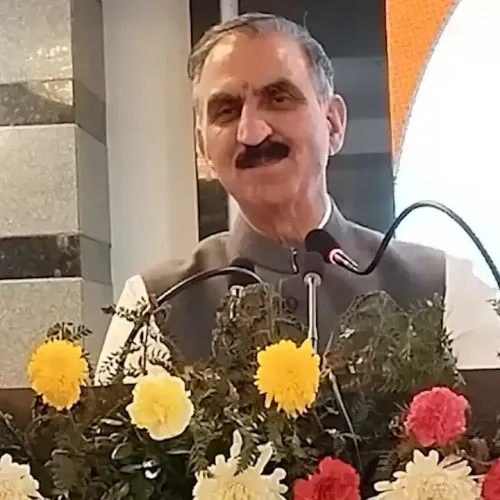
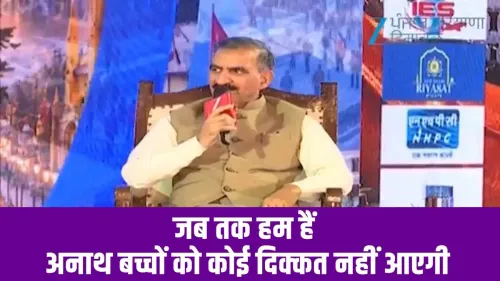
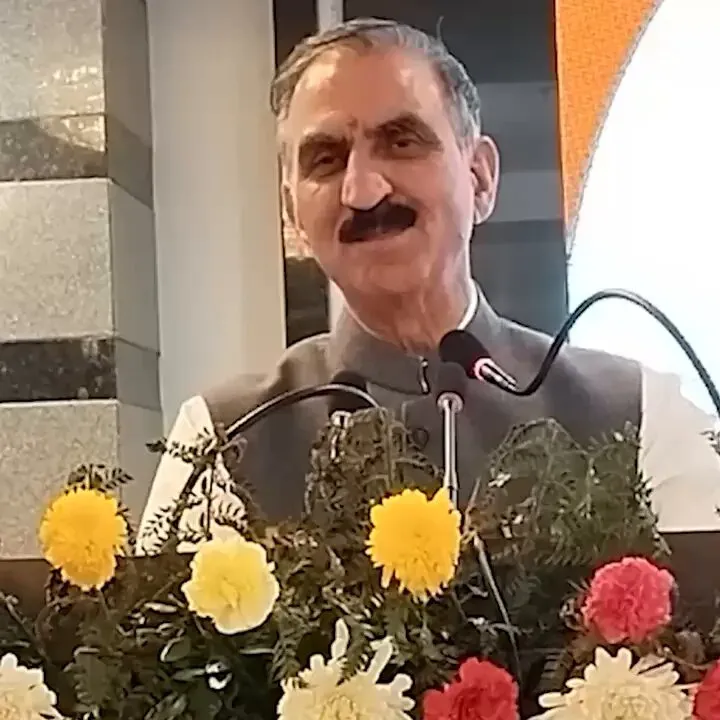
Orphaned children who once faced an uncertain future now have the full weight of the Himachal Pradesh government behind them — from school fees to airline tickets. Himachal Pradesh Chief Minister Sukhvinder Singh Sukhu on Friday, October 16, 2026, laid out a sweeping package of welfare and education finance measures his government is delivering, anchoring the announcement around the state's 'Children of the State' initiative and a strikingly low-interest student loan programme.
'Children of the State': What the designation actually means
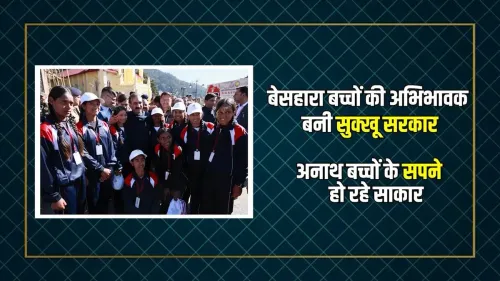
The 'Children of the State' status, as CM Sukhu described it, is not a symbolic gesture. Children who have lost both parents are granted full financial cover by the state government up to the age of 27. That support extends beyond tuition and living costs — during educational trips, these children are entitled to air travel and three-star hotel accommodation, a provision that signals the government's intent to treat them as equals rather than beneficiaries of bare-minimum charity.
The scheme places Himachal Pradesh among the states that have moved beyond token welfare measures toward comprehensive lifecycle support for its most vulnerable children.
Widows' children: a degree in medicine or engineering, fully funded
The Chief Minister extended the welfare logic to another vulnerable group. Children of widows in the state will have their complete education expenses borne by the government — regardless of the course. Whether a child aspires to become a doctor or an engineer, the financial barrier is, in principle, removed. The post does not cap this by income band or college tier, framing it as an open commitment.
The 1% loan: why it matters against the central benchmark
Perhaps the sharpest policy contrast CM Sukhu drew was on student lending. For Himachal Pradesh students pursuing higher education outside the state — families earning up to Rs 12 lakh annually can access an education loan of up to Rs 20 lakh at a flat 1% interest rate.
The benchmark here is the central government's own scheme. The Central Sector Interest Subsidy Scheme (CSIS) provides interest support on education loans but the effective rate for eligible students hovers around 4%. The Himachal Pradesh rate is one-quarter of that. Over the tenure of a large education loan, the difference compounding across thousands of families is substantial — and that is precisely the political and financial argument the Chief Minister is making.
Indian states routinely layer their own subsidies on top of central schemes, but a 75% reduction in the benchmark interest rate is a headline number. It reflects both the Congress government's intent to distinguish its social spending record and a broader pattern of state-level competition in the education finance space under different political dispensations.
The larger picture: Himachal's social sector positioning
Since taking office in December 2022, Chief Minister Sukhu has made social welfare visibility a consistent feature of his government's communication — particularly on education access and child protection. The combination of orphan support, widow-child scholarships, and subsidised loans in a single post constructs a layered narrative: the state as surrogate parent for the most vulnerable, and as financial enabler for aspirational families squeezed between poverty and the middle class.
Whether the fiscal architecture behind these schemes can sustain long-term delivery is a question the state's next budget documents will need to answer. The political intent, at least, is unmistakable.
Point of View
With the 1% vs 4% interest contrast doing the most direct political work. The 'Children of the State' framing — extending to air travel and hotel stays — goes beyond functional support to project an aspirational equality of experience, not just subsistence. This fits a pattern visible across several opposition-governed states of using social sector spending as electoral differentiation ahead of assembly cycles. The real test will be fiscal: Himachal Pradesh carries significant debt, and sustaining open-ended education commitments will require transparent budget allocations that can withstand legislative scrutiny.
NationPress
16 Oct 2026
Frequently Asked Questions
What is the 'Children of the State' scheme in Himachal Pradesh?
The 'Children of the State' is a Himachal Pradesh government initiative that grants orphaned children — those who have lost both parents — full financial support from the state until the age of 27, including expenses during educational trips such as air travel and three-star hotel accommodation.
Who is eligible for HP's 1% education loan?
Students from Himachal Pradesh studying outside the state whose families have an annual income of up to Rs 12 lakh are eligible for education loans of up to Rs 20 lakh at a 1% interest rate under the state government's scheme.
How does HP's education loan rate compare to the central government scheme?
Himachal Pradesh offers education loans at 1% interest, while the central government's Central Sector Interest Subsidy Scheme carries an effective rate of around 4% for eligible students — making the state's rate approximately one-quarter of the central benchmark.
Does Himachal Pradesh fund education for children of widows?
Yes. CM Sukhu stated that the Himachal Pradesh government bears the complete education costs of children of widows in the state, including professional courses like medicine and engineering, with no indication of an income cap in the announcement.
When did Sukhvinder Singh Sukhu become Chief Minister of Himachal Pradesh?
Sukhvinder Singh Sukhu took office as Chief Minister of Himachal Pradesh in December 2022, representing the Indian National Congress.