CM Sukhu Pays Tribute to Rani Durgavati on Martyrdom Day
Synopsis
Himachal Pradesh CM Sukhvinder Singh Sukhu paid tribute to 16th-century Gond queen Rani Durgavati on her martyrdom anniversary, calling her a symbol of Indian identity, self-respect, and indomitable courage whose sacrifice future generations will always remember.
Key Takeaways
CM Sukhvinder Singh Sukhu posted a tribute to Rani Durgavati on her martyrdom anniversary on 24 June 2026 .
Rani Durgavati was a 16th-century queen of the Gond kingdom in central India who died fighting Mughal forces in 1564 .
Sukhu described her as a symbol of 'Indian identity, self-respect, and indomitable valour' who placed the defence of the nation above all else.
The tribute reflects a broader pattern of Indian National Congress leaders commemorating pre-colonial resistance figures on martyrdom anniversaries.
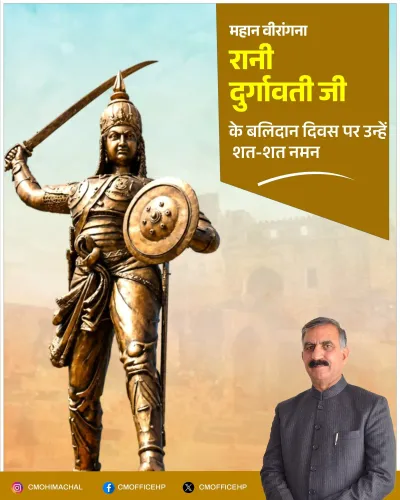
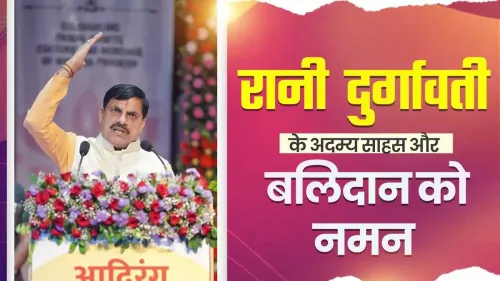
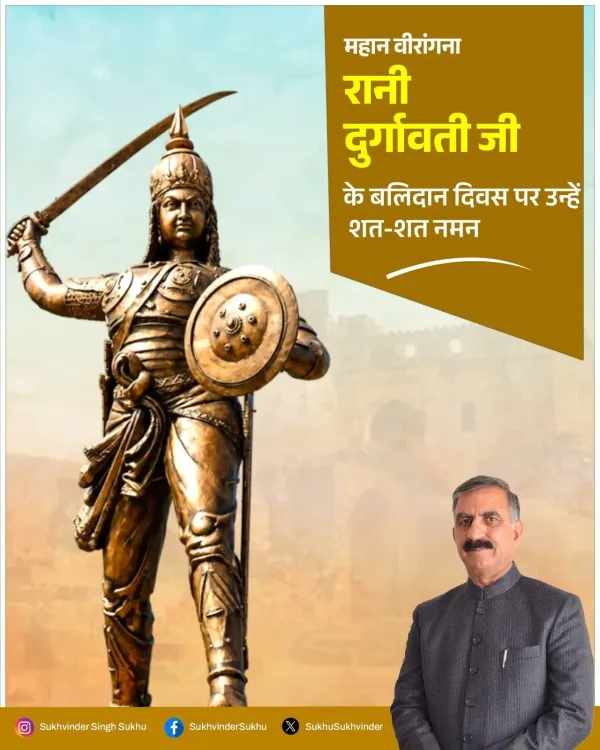
The post was accompanied by an image and shared on the Chief Minister's official X handle.
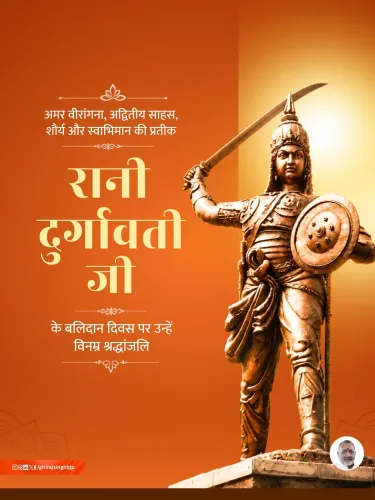
Himachal Pradesh Chief Minister Sukhvinder Singh Sukhu on Wednesday, 24 June 2026, paid homage to the 16th-century Gond queen Rani Durgavati on her martyrdom anniversary, honouring her as a symbol of Indian identity, self-respect, and indomitable valour.
Context
Posting in Hindi on X, CM Sukhu wrote: 'भारतीय अस्मिता, स्वाभिमान एवं अदम्य पराक्रम की प्रतीक' ['a symbol of Indian identity, self-respect, and indomitable courage'], saluting Rani Durgavati on her Balidan Diwas (martyrdom day). He noted that she upheld the defence of the nation and self-respect as paramount even in the most adverse circumstances, and that generations to come would always remember her bravery and sacrifice.
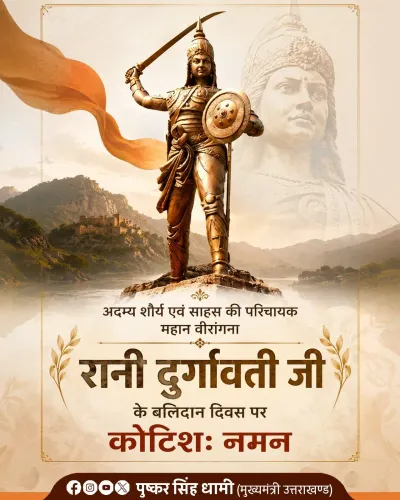
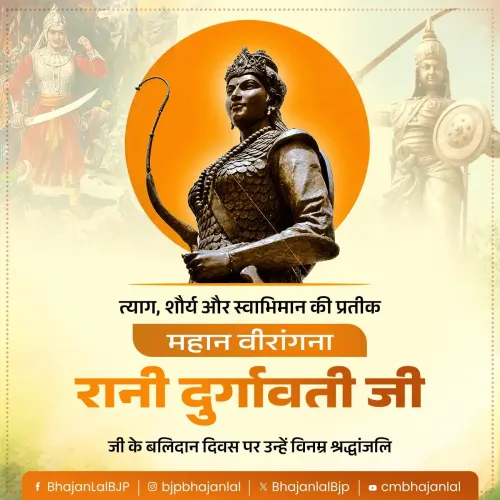
The tribute was accompanied by an image shared on his official handle, underscoring the ceremonial weight the occasion carries in Indian public life.
Policy Backdrop
Rani Durgavati ruled the Gond kingdom in central India in the 16th century and led armed resistance against Mughal forces before dying in battle in 1564. She is widely commemorated in Madhya Pradesh and Chhattisgarh, the regions that once formed her kingdom, where her martyrdom anniversary is observed as a day of state remembrance.
Indian political leaders across the spectrum routinely issue public tributes to pre-colonial martial figures on their death anniversaries, invoking themes of sovereignty and resistance. Indian National Congress leaders have used such commemorations to spotlight indigenous rulers who opposed external powers, weaving regional martial histories into a broader national narrative of identity.
Stakeholders and Impact
The tribute speaks primarily to a general public audience and to students, for whom figures such as Rani Durgavati are part of school curricula in several states. Commemorations of this kind reinforce the queen's place in collective memory and signal a political acknowledgment of her legacy at the highest levels of elected office.
For the Congress party, honouring warriors from communities historically associated with central and northern India also carries symbolic resonance with a diverse voter base that looks to such figures as cultural touchstones.
What's Next
State-level cultural programmes and educational events marking Rani Durgavati's martyrdom anniversary in June are typically organised in Madhya Pradesh and neighbouring states. Observers will watch whether the renewed political attention to her legacy translates into curriculum inclusions or dedicated commemorative events at the national level.
As India continues to integrate regional histories into its national identity discourse, tributes from senior leaders like CM Sukhu signal that the stories of pre-colonial resistance figures will remain central to political and cultural conversation well into the future.
Point of View
Such commemorations serve a dual purpose: they honour genuine martial legacies while simultaneously staking a claim over nationalist symbolism that cuts across caste and regional lines. For a Chief Minister governing a hill state with no direct geographic link to Durgavati's kingdom, the tribute is an exercise in pan-Indian identity politics. It signals that the Congress intends to remain competitive in the broader narrative battle over India's pre-colonial heritage.
NationPress
24 Jun 2026
Frequently Asked Questions
Who was Rani Durgavati?
Rani Durgavati was a 16th-century queen of the Gond kingdom in central India who led armed resistance against Mughal forces and died in battle in 1564. She is remembered as a symbol of Indian sovereignty and self-sacrifice.
When is Rani Durgavati's martyrdom day observed?
Rani Durgavati's martyrdom day, known as Balidan Diwas, is observed on 24 June each year, marking the date she died fighting Mughal forces in 1564.
Why did CM Sukhu pay tribute to Rani Durgavati?
CM Sukhvinder Singh Sukhu paid tribute on her annual martyrdom anniversary, honouring her as a symbol of Indian identity, self-respect, and courage who sacrificed her life defending the nation.
What did CM Sukhu say about Rani Durgavati?
Sukhu said she displayed unparalleled bravery in adverse circumstances, kept the defence of the nation and self-respect paramount, and that future generations would always remember her valour and sacrifice.
Which state did Rani Durgavati rule?
Rani Durgavati ruled the Gond kingdom in central India, the region that today broadly corresponds to parts of Madhya Pradesh and Chhattisgarh.