CM Sukhu Spotlights Ex-Soldier Turned Natural Farmer's Success
Synopsis
Himachal Pradesh CM Sukhvinder Singh Sukhu showcased retired soldier Balwant's natural farming journey — ₹20,000 from wheat sales, ₹90/litre desi cow milk, and ₹48,000 in state subsidies — urging all farmers to adopt the model.
Key Takeaways
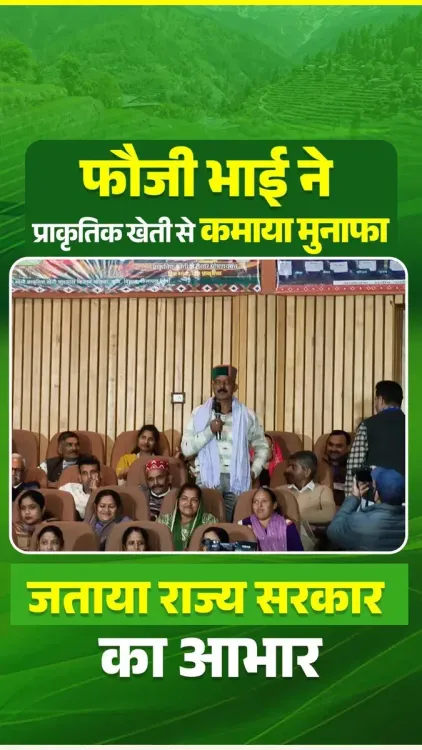
CM Sukhu highlighted retired army soldier Balwant's switch to natural farming as a model for Himachal Pradesh farmers.
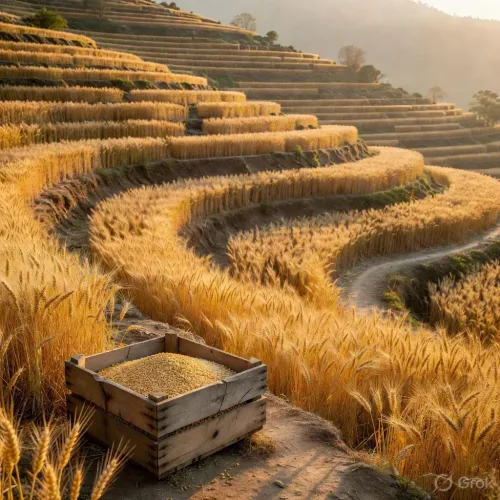
Balwant earned ₹20,000 by selling 2.5 quintals of wheat in 2024, with payment directly credited to his bank account.
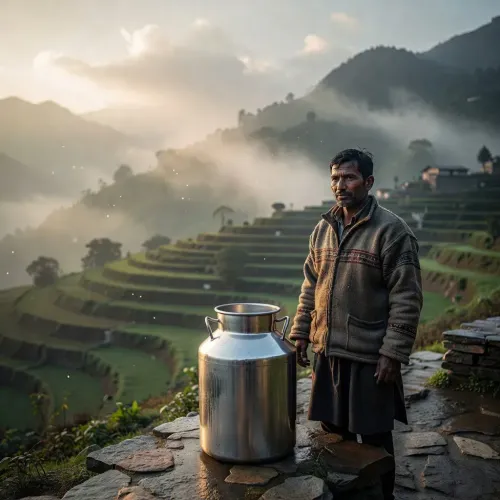
He currently sells desi cow milk at ₹90 per litre from home, supplementing farm income.
The state government provided Balwant a combined ₹48,000 in subsidies — ₹25,000 for natural farming, ₹15,000 for resources, and ₹8,000 for floor construction.
Himachal Pradesh has expanded natural farming incentives since the Congress government took office in December 2022 .
CM Sukhu directly appealed to 'farmer brothers and sisters' across the state to adopt natural farming practices.
A retired army soldier growing wheat and selling desi cow milk from his doorstep — Himachal Pradesh Chief Minister Sukhvinder Singh Sukhu held up exactly that story on Wednesday, 18 November 2026, to make the case for natural farming to the state's farmers.
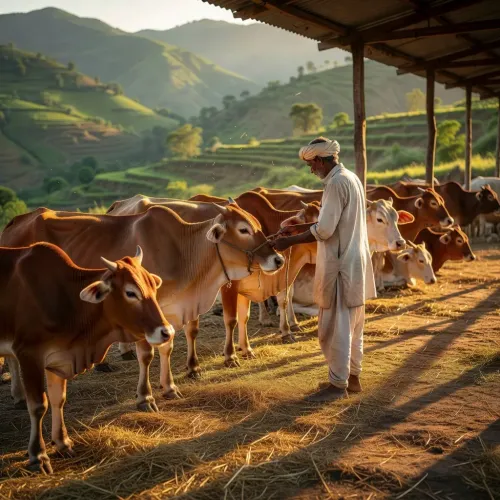
CM Sukhu shared the journey of Balwant, who turned to natural farming after retiring from the Indian Army. In 2024, Balwant sold 2.5 quintals of wheat and received ₹20,000 — directly deposited into his bank account. That direct transfer, Sukhu noted, deepened Balwant's faith in the model. Today, Balwant sells desi cow milk at ₹90 per litre from his home.
Subsidies That Sealed the Deal
The state government's support made the pivot viable. According to Sukhu's post, Balwant received a ₹25,000 subsidy for natural farming adoption, an additional ₹15,000 for other resources, and ₹8,000 for floor construction — a combined state outlay of ₹48,000 to help one farmer make the switch. The direct-benefit-transfer model ensures the money reaches farmers without intermediaries, a cornerstone of Himachal Pradesh's current agriculture policy.
Why an Ex-Serviceman's Story Carries Political Weight
The choice of a retired defence personnel as the face of this push is deliberate. Himachal Pradesh has one of India's highest densities of ex-servicemen per capita, and their credibility in rural communities is considerable. When a soldier who has served the nation endorses a farming model, the message lands differently than any government advertisement could. Sukhu closed his post with a direct appeal: 'Mera kisan bhaiyon aur bahnon se kehna hai ki aap bhi prakritik kheti apnaiye' — 'I urge my farmer brothers and sisters to also adopt natural farming.'
Himachal's Shift Away From Chemical Agriculture
Since the Congress government took office in December 2022, Himachal Pradesh has expanded incentives for natural and organic farming among small and marginal farmers. The broader national context matters here: Indian states are grappling with soil degradation from decades of chemical-intensive cultivation, rising input costs, and stagnant farm incomes. Natural farming promises lower costs and premium prices for chemical-free produce — a double advantage that Balwant's wheat and milk figures illustrate in concrete rupees.
The next test for the policy is whether state budget allocations in the coming fiscal year scale up training, certification, and market-linkage programmes that give more farmers Balwant's kind of outcome. One success story is a proof of concept. Thousands of them is a movement.
Point of View
Sukhu signals a shift toward outcome-based storytelling in state politics. Whether this translates into measurable farmer adoption or remains an aspirational message will depend on how aggressively the next budget funds scaling the subsidy and certification infrastructure.
NationPress
18 Nov 2026
Frequently Asked Questions
What is natural farming and why is Himachal Pradesh promoting it?
Natural farming avoids synthetic chemicals and relies on locally available inputs, lowering costs and improving soil health. Himachal Pradesh has expanded subsidies for natural farming since 2022 to boost farmer incomes and reduce dependence on chemical inputs.
How much subsidy does the Himachal Pradesh government give for natural farming?
According to CM Sukhu's post, one farmer received ₹25,000 as a natural farming subsidy, ₹15,000 for other resources, and ₹8,000 for floor construction — a total of ₹48,000 — directly transferred to his bank account.
Who is Balwant, the farmer mentioned by CM Sukhu?
Balwant is a retired Indian Army soldier from Himachal Pradesh who adopted natural farming after retirement. He earned ₹20,000 from wheat sales in 2024 and now sells desi cow milk at ₹90 per litre from his home.
What is CM Sukhvinder Singh Sukhu's stance on natural farming?
CM Sukhu is a strong proponent of natural farming in Himachal Pradesh, regularly highlighting farmer success stories and urging all farmers in the state to adopt the practice, backed by state subsidies and direct benefit transfers.
How does Himachal Pradesh's natural farming scheme pay subsidies to farmers?
The Himachal Pradesh government transfers natural farming subsidies directly into farmers' bank accounts, as illustrated by Balwant's case where both wheat sale proceeds and government support were credited electronically.