CM Sukhu Vows to Make HRTC Greener and More Efficient
Synopsis
Chief Minister Sukhvinder Singh Sukhu has reaffirmed Himachal Pradesh's commitment to making HRTC more capable, efficient, and environment-friendly — a stated priority since his government took office in December 2022, with real operational challenges ahead in the state's mountainous terrain.
Key Takeaways
CM Thakur Sukhvinder Singh Sukhu publicly restated the government's goal to make HRTC more capable, smooth, and environment-friendly on 14 August 2026 .
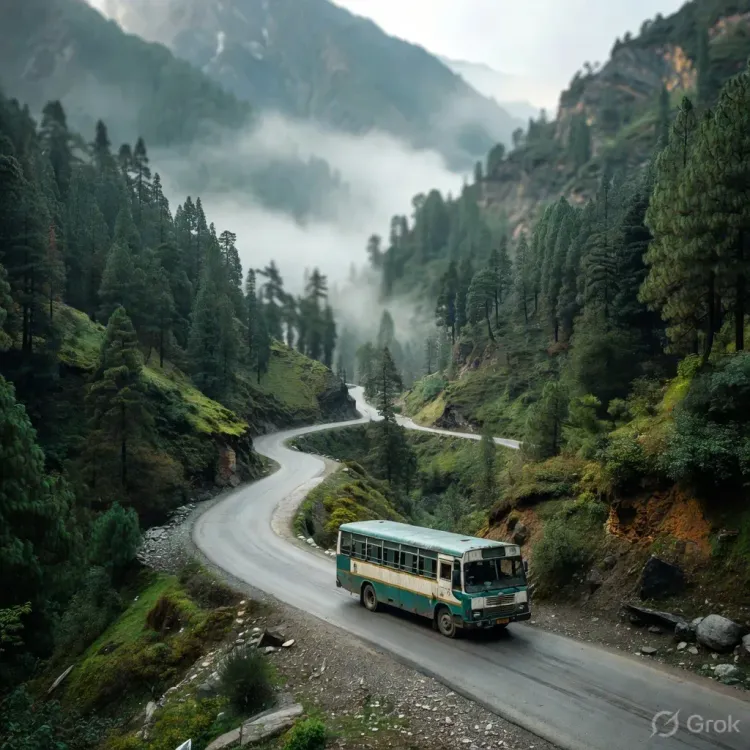
HRTC is Himachal Pradesh's state-owned public bus operator, serving critical routes across difficult mountain terrain.
The Sukhu-led Congress government has emphasised HRTC modernisation as a priority since taking office in December 2022 .
Himachal's mountainous geography poses unique challenges — steep gradients, remote valleys, and extreme weather — for any fleet electrification or upgrade plan.
Future state budget allocations and fleet procurement tenders will be the concrete measure of this commitment.
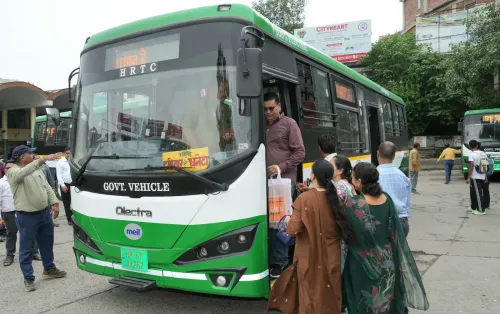
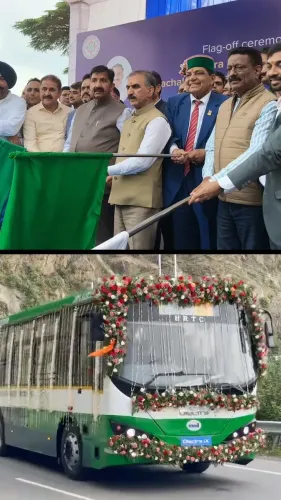
Himachal Pradesh's public bus network is getting a policy push from the top. The Chief Minister's Office of Himachal Pradesh shared a statement from Chief Minister Thakur Sukhvinder Singh Sukhu on 14 August 2026, reaffirming the state government's commitment to transforming the Himachal Road Transport Corporation (HRTC) into a more capable, smooth-running, and environmentally friendly operation.
In his words: 'हमारा प्रयास HRTC को अधिक सक्षम, सुचारू और पर्यावरण-अनुकूल बनाना है' — 'Our effort is to make HRTC more capable, smoother, and environment-friendly.' Brief, but pointed: the Chief Minister is signalling that modernisation of the state's lifeline transport network remains an active priority.
Why HRTC Modernisation Is Harder Than It Looks
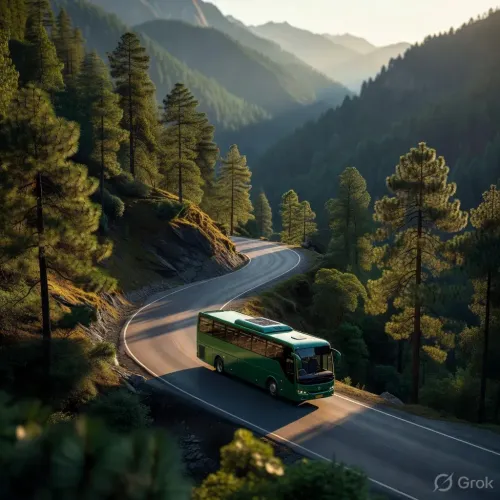
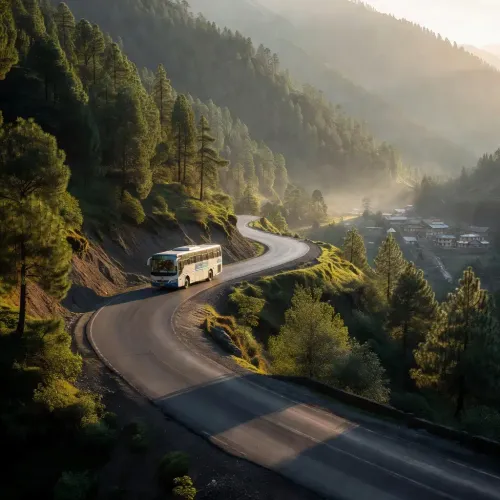
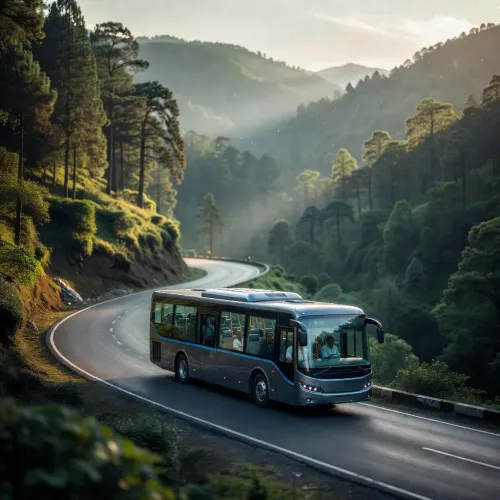
HRTC is not a flat-terrain city bus service. It operates across some of India's most demanding mountain roads — steep gradients, narrow passes, and seasonal weather extremes that put conventional diesel fleets under enormous stress. The push toward greener, more capable buses runs headlong into those operational realities, making fleet upgrades a genuinely complex engineering and financial challenge, not just a policy declaration.
Since CM Sukhu took office in December 2022, the Congress government in Shimla has consistently framed HRTC reform as a priority — aligning with the broader national momentum around electric vehicle adoption and state-level climate commitments. Himachal's geography, however, means that EV range, charging infrastructure in remote valleys, and the sheer cost of mountain-rated buses are variables no other plains-state faces at the same scale.
HRTC's Role in Himachal's Daily Life
For millions of residents across the state's 12 districts, HRTC buses are not a convenience — they are the primary connection to hospitals, schools, markets, and government offices. Any meaningful improvement in reliability or emissions directly touches daily life in a way that urban metro projects rarely do. That is the weight behind what sounds like a routine government statement.
Future state budget sessions and tender notices for fleet procurement will be the real test of whether this commitment translates into new buses on mountain roads — or remains executive messaging.
Point of View
Where HRTC is a genuine social lifeline rather than a supplementary service, the stakes of under-delivery are higher than in urban states. The mountain-terrain constraint also means Himachal could become either a cautionary tale or a genuine model for hill-state EV transit, depending on execution. The real political test arrives when procurement tenders and budget line items either back the rhetoric or quietly shelve it.
NationPress
14 Aug 2026
Frequently Asked Questions
What is HRTC and why does it matter in Himachal Pradesh?
HRTC, the Himachal Road Transport Corporation, is the state-owned public bus operator and the primary mode of transport for millions of residents across Himachal Pradesh's remote and mountainous districts, connecting them to hospitals, markets, and government services.
What did CM Sukhvinder Singh Sukhu say about HRTC?
CM Sukhu stated that the government's effort is to make HRTC more capable, smoother, and environment-friendly — reaffirming a modernisation push that has been a stated priority since his government took office in December 2022.
Is Himachal Pradesh planning electric buses for HRTC?
The government has consistently signalled a push toward greener, lower-emission vehicles for HRTC in line with national EV policy trends, but specific procurement targets or confirmed orders have not been publicly detailed in verified records.
When did Sukhvinder Singh Sukhu become Chief Minister of Himachal Pradesh?
Sukhvinder Singh Sukhu took office as Chief Minister of Himachal Pradesh in December 2022, leading the state's Congress government.
What are the challenges of modernising HRTC's fleet?
Himachal Pradesh's steep mountain roads, remote valleys with limited charging infrastructure, extreme seasonal weather, and the high cost of mountain-rated vehicles make HRTC fleet modernisation significantly more complex than similar efforts in plains states.