CM Uttarakhand: Disaster Meet Brings Kaushik, Pandya Together
Synopsis
The Uttarakhand CMO highlighted a programme chaired by Dr. Chinmay Pandya of Dev Sanskriti Vishwavidyalaya, attended by Disaster Management Minister Madan Kaushik, Ramakrishna Mission Secretary Swami Dayamurtyanand, Padma Shri Nilesh Mandlevala, and others — reflecting the state's ongoing collaboration with spiritual-educational institutions.
Key Takeaways
The programme was chaired by Dr.
Chinmay Pandya , Pro-Vice Chancellor of Dev Sanskriti Vishwavidyalaya , Haridwar.
Disaster Management Minister Madan Kaushik was among the senior state officials present.
Swami Dayamurtyanand , Secretary of the Ramakrishna Mission , represented the spiritual-humanitarian sector.
Padma Shri Nilesh Mandlevala and Dr.
Vijay Dhasmana were also named participants.
Dev Sanskriti Vishwavidyalaya was founded in 2002 to blend ancient Indian knowledge with modern education.
The event reflects Uttarakhand's recurring pattern of engaging spiritual-educational networks for state-priority programmes.
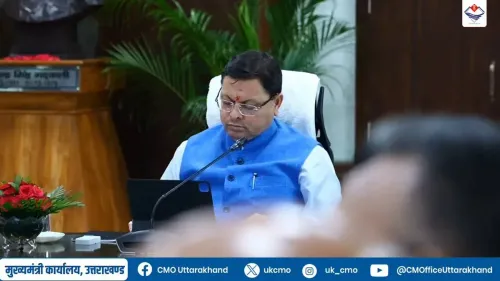
The Chief Minister's Office of Uttarakhand shared details on Saturday, 27 June 2026 of a programme chaired by Dr. Chinmay Pandya, Pro-Vice Chancellor of Dev Sanskriti Vishwavidyalaya, that brought together senior state officials, spiritual leaders, and civil society figures in Uttarakhand.
Context
The programme was presided over by Dr. Chinmay Pandya, a leading figure in value-based and cultural education at Dev Sanskriti Vishwavidyalaya, the Haridwar-based university founded in 2002 by the Shri Vedmata Gayatri Trust to integrate ancient Indian knowledge systems with contemporary education. The post from the official CMO account named the gathering's participants, signalling official state endorsement of the event.
Among those present were Disaster Management Minister Madan Kaushik, Swami Dayamurtyanand — Secretary of the Ramakrishna Mission — Dr. Anil Kumar, Padma Shri Nilesh Mandlevala, and Dr. Vijay Dhasmana. The convergence of a cabinet minister, a prominent spiritual organisation, and a Padma awardee points to a programme of considerable institutional weight.
Policy Backdrop
Uttarakhand is among India's most disaster-prone states, regularly affected by cloudbursts, landslides, and glacial events in its Himalayan terrain. The state government has over the years worked with institutions such as Dev Sanskriti Vishwavidyalaya and the Ramakrishna Mission to blend cultural and spiritual frameworks with practical disaster-preparedness outreach.
The Ramakrishna Mission, founded on the teachings of Swami Vivekananda, has a long tradition of humanitarian service and community resilience work across India, including in hill states. Its secretary's presence alongside Minister Kaushik underscores the state's practice of mobilising its dense network of spiritual-educational institutions for public welfare programmes.
Stakeholders and Impact
The participation of Padma Shri Nilesh Mandlevala adds a dimension of recognised civil-society expertise to the gathering. Dev Sanskriti Vishwavidyalaya's student and faculty community, disaster management officials across the state, and affiliated spiritual organisations all stand as direct stakeholders in the programme's outcomes.
Events of this kind typically feed into awareness campaigns, curriculum development around disaster resilience, or memoranda of understanding between state agencies and educational bodies — channels through which traditional knowledge can be formalised within official frameworks.
What's Next
Observers will watch for any follow-up announcements from the Uttarakhand government on incorporating traditional or culturally rooted approaches into the State Disaster Management Plan. Future joint programmes at Dev Sanskriti Vishwavidyalaya or under the Ramakrishna Mission's umbrella are also a possibility given the seniority of participants. The CMO's decision to amplify the event on its official channel suggests the state views such partnerships as a visible policy priority heading into the monsoon season.
Point of View
The presence of the Disaster Management Minister lends the gathering a timely policy dimension beyond ceremonial culture promotion. This pattern of state-spiritual collaboration in Uttarakhand also serves a political function, reinforcing the ruling dispensation's cultural credentials in a state where religious identity is a significant electoral variable. Whether the meeting produces concrete policy outputs — such as a formal role for traditional knowledge in disaster planning — will determine its lasting significance.
NationPress
27 Jun 2026
Frequently Asked Questions
Who chaired the programme mentioned by the Uttarakhand CMO?
Dr. Chinmay Pandya, Pro-Vice Chancellor of Dev Sanskriti Vishwavidyalaya in Haridwar, chaired the programme highlighted by the Uttarakhand Chief Minister's Office.
What is Dev Sanskriti Vishwavidyalaya?
Dev Sanskriti Vishwavidyalaya is a private university in Haridwar, Uttarakhand, founded in 2002 by the Shri Vedmata Gayatri Trust to integrate ancient Indian cultural knowledge with modern education.
Who is Madan Kaushik?
Madan Kaushik is the Disaster Management Minister in the Uttarakhand state government and was among the senior officials present at the programme.
What is the Ramakrishna Mission's role in Uttarakhand?
The Ramakrishna Mission, a spiritual-humanitarian organisation founded on Swami Vivekananda's teachings, has a presence in Uttarakhand and participates in state-level cultural and welfare programmes. Swami Dayamurtyanand serves as its secretary.
Why does Uttarakhand partner with spiritual institutions for disaster management?
Uttarakhand is highly disaster-prone due to its Himalayan geography. The state government has a recurring practice of working with spiritual-educational institutions like Dev Sanskriti Vishwavidyalaya and the Ramakrishna Mission to blend cultural values with disaster preparedness and public outreach.