CM Uttarakhand: Saras Mela in Bageshwar uplifts SHG women
Synopsis
A Saras Mela under NRLM has begun in Bageshwar, Uttarakhand, offering rural SHG women a direct marketplace for hill crafts and local produce — part of the national Vocal for Local push under Atmanirbhar Bharat.
Key Takeaways
The Chief Minister's Office of Uttarakhand announced a Saras Mela in Bageshwar district on November 3, 2026 .
The fair is organised under the National Rural Livelihoods Mission (NRLM) , India's flagship rural poverty-reduction scheme launched in 2011 .
Saras Melas have been NRLM's core product-marketing platform since 2012–13 , enabling SHG women to sell directly to consumers.
Bageshwar is a predominantly rural, hilly district where limited market access is a structural challenge for women producers.
The event is framed under the #VocalForLocal and Atmanirbhar Bharat push to build local hill-product value chains.
District-level sales data and potential expansion to other Uttarakhand districts remain the key metrics to watch.
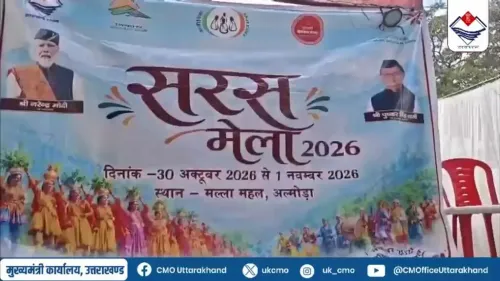
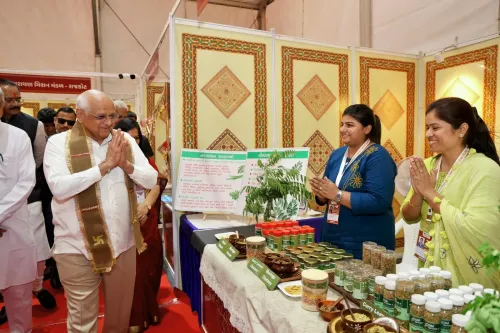
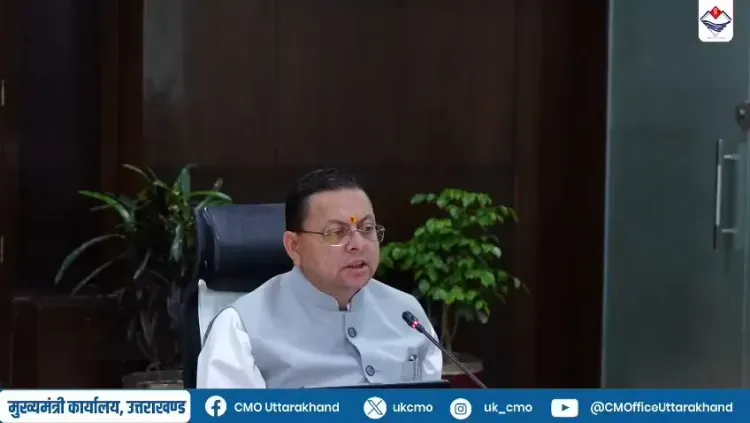
In the shadow of the Himalayas, rural women from Bageshwar district are getting a rare and direct window to the marketplace — and the Chief Minister's Office of Uttarakhand wants the country to know it. The Chief Minister's Office of Uttarakhand posted on X on November 3, 2026, highlighting the launch of a Saras Mela in Bageshwar under the National Rural Livelihoods Mission (NRLM), calling it a big platform for the skills of rural women and hill-specific products.
The post, shared in Hindi, reads: 'बागेश्वर में NRLM के तहत शुरू हुआ सरस मेला ग्रामीण महिलाओं के हुनर और पहाड़ी उत्पादों को एक बड़ा मंच दे रहा है' — ('The Saras Mela launched under NRLM in Bageshwar is giving a big platform to the skills of rural women and hill products.') The office tagged the effort under #VocalForLocal, signalling its alignment with the national push for locally-rooted value chains.
What the Saras Mela actually does for Bageshwar's women
Saras Melas are NRLM's flagship marketing fairs, held periodically since 2012–13, designed to cut out the middleman and let Self-Help Group (SHG) members sell handicrafts, food products and local produce directly to consumers. For a district like Bageshwar — deeply rural, hilly terrain, limited road connectivity — the fair is not a small thing. It is often the only structured marketplace many of these women encounter.
NRLM itself was launched in June 2011, replacing the older Swarnajayanti Gram Swarozgar Yojana (SGSY). Its core engine: mobilise rural women into SHGs, provide skill training and credit linkages, then create market access. Uttarakhand has leaned into this model heavily, using the state's mountainous geography as both a challenge and a branding opportunity — Himalayan crafts, forest-produce derivatives, and traditional woolens carry authentic premium value that the plains cannot replicate.
Hill products, hard terrain, and the Atmanirbhar logic
The broader pattern here is deliberate policy architecture. Since 2014, successive central and state governments have worked to scale women-led micro-enterprises through NRLM, weaving them into the Atmanirbhar Bharat narrative of self-reliant, local supply chains. The Saras Mela in Bageshwar is one node in that network — but it matters because Uttarakhand's hilly districts face a structural disadvantage: distance from large consumer markets means SHG products often stay trapped in local barter or sell at suppressed prices to traders.
A fair like this temporarily reverses that equation. Women set their own prices, interact with end-consumers, and build brand recognition for products that might otherwise never leave the village. The #VocalForLocal framing amplifies this, pushing urban buyers to see hill-district goods as premium, not peripheral.
What to watch: district-level sales figures from this Bageshwar edition, and whether the state announces a rollout of similar melas across other remote Uttarakhand districts. The model's replicability — not just its intent — will determine its real impact.
Point of View
The stakes are higher than in plains states: geographic remoteness means SHG produce often never reaches the consumer, so periodic fairs function as structural correctives rather than ceremonial showcases. The Vocal for Local branding is smart politics too — it gives urban middle-class buyers a patriotic rationale for choosing premium hill goods. The real test, however, is whether Bageshwar-edition momentum translates into year-round sales infrastructure, or remains a well-publicised one-off.
NationPress
3 Nov 2026
Frequently Asked Questions
What is Saras Mela and who organises it?
Saras Mela is a periodic marketing fair organised under the National Rural Livelihoods Mission (NRLM) to help Self-Help Group women sell handicrafts, food products and local produce directly to consumers. These fairs have been held nationwide since 2012–13.
What is NRLM and how does it help rural women?
The National Rural Livelihoods Mission (NRLM) is a centrally sponsored scheme launched in June 2011 that reduces rural poverty by mobilising women into self-help groups, providing skill training, credit linkages, and market access platforms like Saras Melas.
Where is Bageshwar and why is this mela significant there?
Bageshwar is a district in Uttarakhand with a predominantly rural, hilly economy. Its remoteness limits market access for women producers, making a Saras Mela especially impactful as it gives SHG members a direct, structured platform to sell their products.
What is Vocal for Local and how does the Saras Mela connect to it?
Vocal for Local is a national campaign encouraging Indians to buy domestically produced goods. Saras Melas align directly with this by showcasing and promoting local hill products made by SHG women, positioning them as premium offerings for urban consumers.
Which government account announced the Bageshwar Saras Mela?
The Chief Minister's Office of Uttarakhand announced the Saras Mela in Bageshwar via its official X account on November 3, 2026.