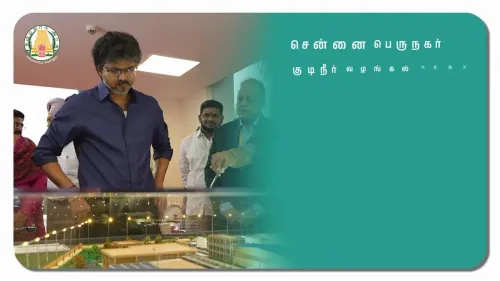
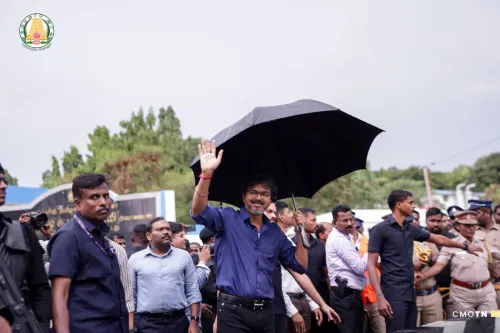
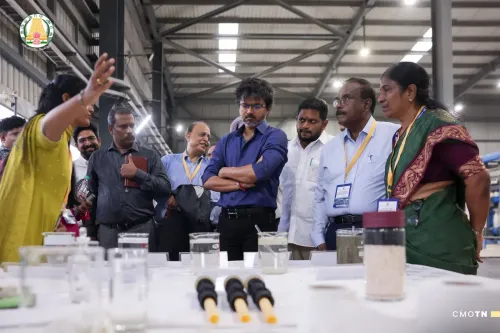
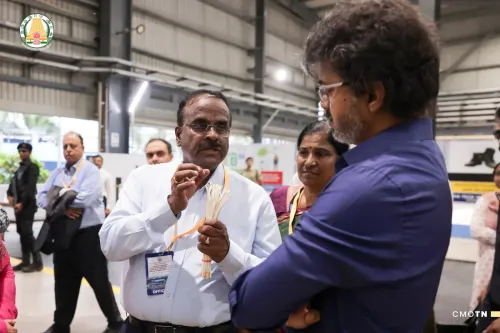
CM Vijay inspects 45 MLD reverse osmosis plant in Koyambedu
Synopsis
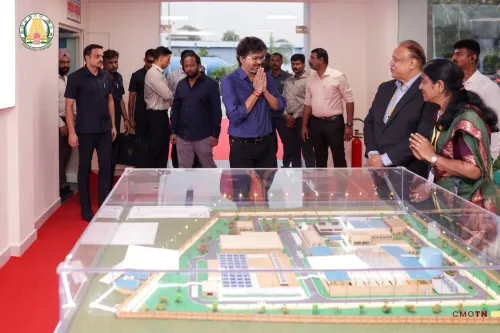
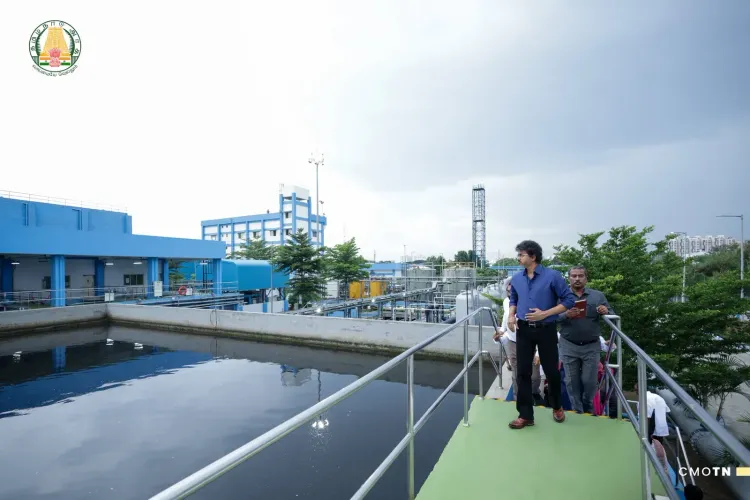
Tamil Nadu Chief Minister S. Joseph Vijay on 27 July 2026 inspected the 45 MLD reverse osmosis-based tertiary sewage treatment plant at Koyambedu, Chennai, operated by the Chennai Metropolitan Water Supply and Sewerage Board, signalling state-level focus on advanced wastewater recycling infrastructure.
Key Takeaways
Joseph Vijay conducted a personal on-site inspection of the Koyambedu sewage treatment plant on 27 July 2026 .
The facility has a capacity of 45 million litres per day (MLD) and uses reverse osmosis-based tertiary treatment .
The plant is operated by the Chennai Metropolitan Water Supply and Sewerage Board (CMWSSB) .
It is located in Koyambedu, Chennai , a major hub for the city's sewage treatment and recycling infrastructure.
The inspection aligns with Tamil Nadu's broader strategy to expand advanced wastewater recycling to address Chennai's recurring water shortages.
The CMO shared four images from the visit on its official X account.
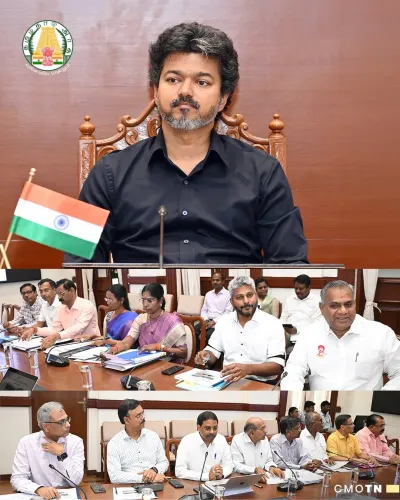
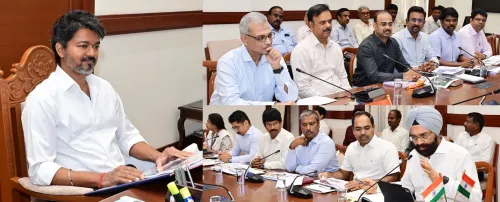
The Chief Minister's Office of Tamil Nadu announced on 27 July 2026 that Chief Minister S. Joseph Vijay personally visited and reviewed the operations of a 45-million-litre-per-day (MLD) tertiary sewage treatment plant based on reverse osmosis technology, located in Koyambedu, Chennai, under the aegis of the Chennai Metropolitan Water Supply and Sewerage Board (CMWSSB).
Context
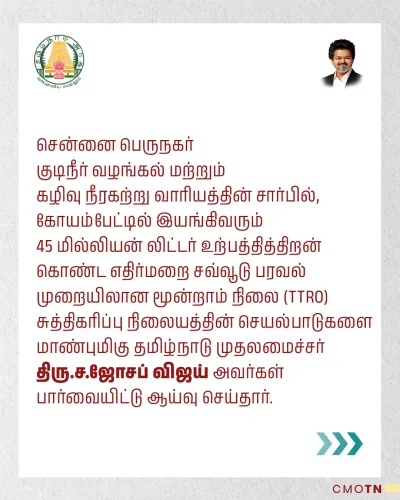
The Tamil-language post from the official CMO account states that the Chief Minister conducted an on-site inspection — 'நேரில் சென்று பார்வையிட்டு ஆய்வு செய்தார்' ('personally visited and conducted a review') — of the facility, which employs reverse osmosis-based tertiary treatment, also described in the post as 'எதிர்மறை சவ்வூடு பரவல் முறையிலான மூன்றாம் நிலை சுத்திகரிப்பு நிலையம்'. The plant has a production capacity of 45 million litres per day. Four images accompanied the post, documenting the visit.
Policy Backdrop
The Chennai Metropolitan Water Supply and Sewerage Board is the statutory body charged with water supply, sewerage, and wastewater management across the Chennai metropolitan area. Tamil Nadu has expanded tertiary sewage treatment capacity in Chennai across multiple phases of the Chennai Sewerage Scheme from the 2000s onward, with the goal of increasing water recycling to supplement the city's supply.
Reverse osmosis-based tertiary treatment represents the most advanced tier of wastewater processing, producing high-quality recycled water suitable for industrial and non-potable uses. Such infrastructure is a direct response to Chennai's recurring water shortages driven by monsoon variability and rapid metropolitan growth.
Stakeholders and Impact
The primary beneficiaries of expanded tertiary treatment capacity are Chennai's residents and industries, who face periodic water stress. Treated water from facilities like the Koyambedu plant can be channelled for industrial cooling, horticulture, and other non-potable applications, reducing pressure on the city's potable supply reservoirs.
The CMWSSB oversees operations for a metropolitan population of several million, making the operational health of such plants a matter of significant public interest. Direct inspection by the Chief Minister signals state-level prioritisation of infrastructure accountability and operational oversight.
What's Next
Tamil Nadu's broader water security strategy involves integrating recycled water more deeply into Chennai's supply network, and progress on additional tertiary treatment capacity additions will be closely watched. The Chief Minister's hands-on review may precede announcements on expansion plans or operational improvements at the Koyambedu facility. Observers will look for follow-up policy directives from the CMWSSB and the state urban development department in the coming weeks.
Frequently Asked Questions
What did Tamil Nadu CM Joseph Vijay inspect on 27 July 2026?
CM S. Joseph Vijay inspected the 45 MLD reverse osmosis-based tertiary sewage treatment plant at Koyambedu, Chennai, operated by the Chennai Metropolitan Water Supply and Sewerage Board.
What is the capacity of the Koyambedu sewage treatment plant?
The plant has a production capacity of 45 million litres per day (MLD) and uses reverse osmosis-based tertiary treatment technology.
What does the CMWSSB do?
The Chennai Metropolitan Water Supply and Sewerage Board (CMWSSB) is the statutory body responsible for water supply, sewerage, and wastewater management across the Chennai metropolitan area.
Why is tertiary sewage treatment important for Chennai?
Tertiary treatment, especially using reverse osmosis, produces high-quality recycled water that can be used for industrial and non-potable purposes, helping reduce pressure on Chennai's drinking water reservoirs amid recurring shortages.
Where is the reverse osmosis water treatment plant in Chennai?
The plant inspected by CM Vijay is located in Koyambedu, a major Chennai locality that hosts large-scale sewage treatment and recycling infrastructure.