CM Vijay Inspects 45 MLD Tertiary Water Plant in Chennai
Synopsis
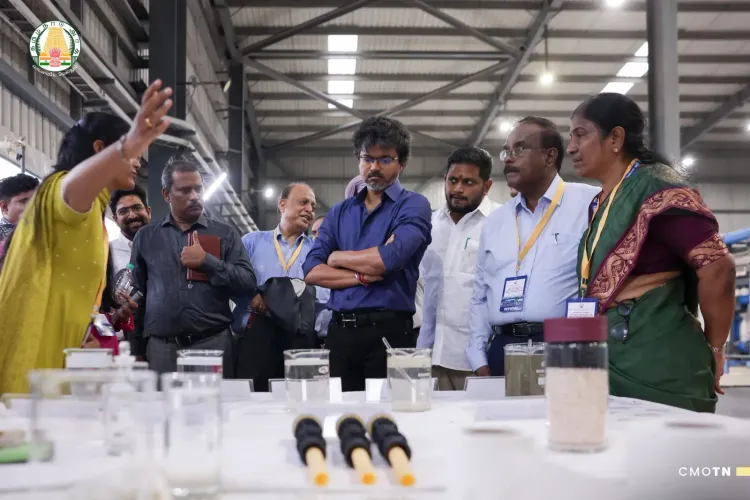
Tamil Nadu Chief Minister Joseph Vijay on 27 July 2026 visited the 45 MLD reverse osmosis tertiary water treatment plant at Koyambedu, Chennai, inspecting operations under the Chennai Metropolitan Water Supply and Sewerage Board as the state deepens its urban water security push.
Key Takeaways
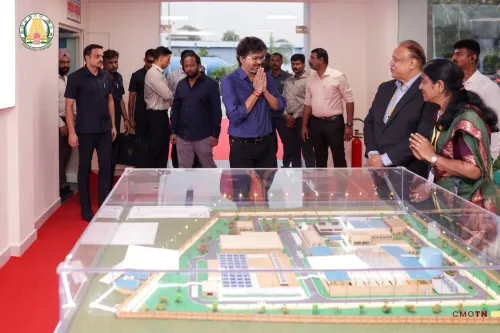
CM Joseph Vijay personally inspected the Koyambedu tertiary water treatment plant on 27 July 2026 .
The facility has a capacity of 45 million litres per day (MLD) and uses reverse osmosis-based tertiary treatment.
The plant operates under the Chennai Metropolitan Water Supply and Sewerage Board (CMWSSB) .
Recycled water from such plants primarily serves industrial users, reducing pressure on Chennai's potable water reserves.
Tamil Nadu has been expanding advanced water treatment capacity since the early 2000s to address recurring urban water shortages.
The inspection may signal forthcoming announcements on capacity expansion or new project tenders in the water sector.
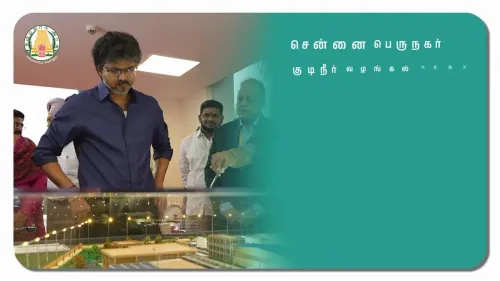
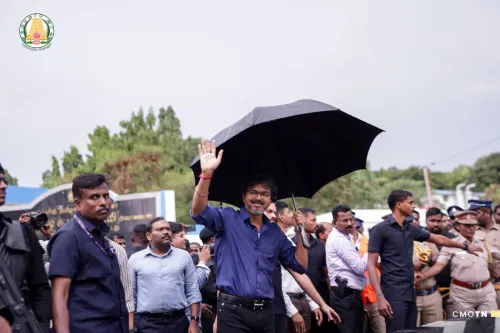
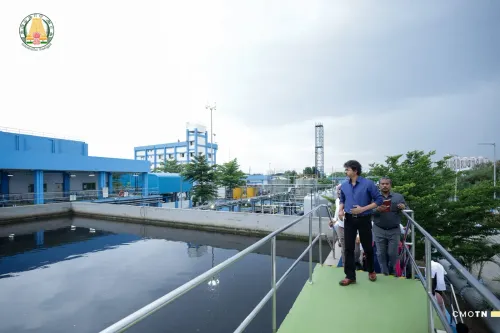
Tamil Nadu Chief Minister Joseph Vijay on Monday, 27 July 2026, personally visited and reviewed the operations of a 45 million litre per day (MLD) tertiary water treatment facility in Koyambedu, Chennai, under the aegis of the Chennai Metropolitan Water Supply and Sewerage Board (CMWSSB). The plant uses reverse osmosis-based advanced treatment to recycle wastewater at a large scale.
Context
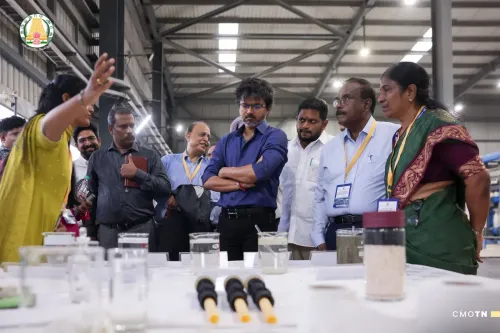
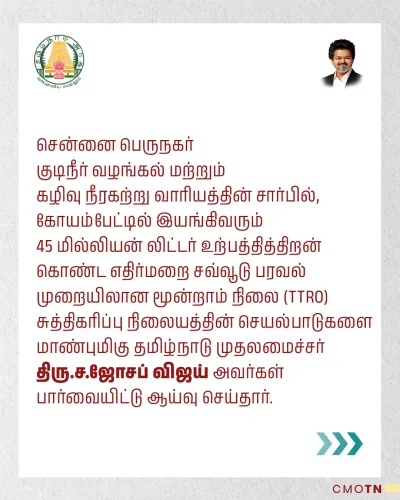
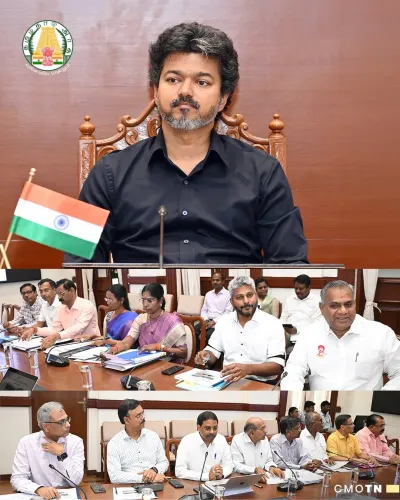
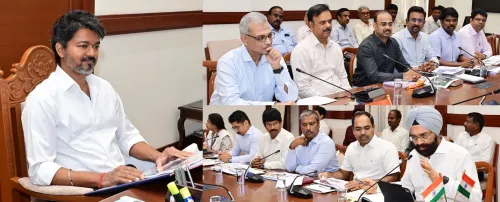
The Chief Minister's Office posted on X that CM Vijay inspected the facility on behalf of the CMWSSB, describing it as a மூன்றாம் நிலை சுத்திகரிப்பு நிலையம் (third-level purification station) employing எதிர்மறை சவ்வூடு பரவல் முறை (reverse osmosis method). The on-site review covered the plant's operational processes and its 45 MLD output capacity. The inspection signals direct executive attention to Chennai's water security infrastructure.
The Koyambedu locality in western Chennai has long served as a hub for the city's sewage treatment and water recycling installations. The CMWSSB is the statutory authority overseeing water supply, sewerage collection, treatment, and disposal across the Chennai Metropolitan Area.
Policy Backdrop
Tamil Nadu governments have invested steadily in advanced water treatment since the early 2000s, commissioning tertiary treatment and reverse osmosis recycling plants to offset the city's chronic dependence on rain-fed reservoirs and distant water sources. Recurring shortages — most sharply felt during the 2019 water crisis — accelerated policy focus on wastewater reuse for industrial and non-potable purposes.
Successive administrations have treated desalination, recycling, and tertiary treatment as complementary pillars of Chennai's long-term urban water strategy. The current inspection fits within that continuing policy arc, with the state government maintaining hands-on oversight of flagship infrastructure projects.
Stakeholders and Impact
The primary beneficiaries of expanded tertiary treatment capacity are Chennai's urban residents and the city's large industrial water user base. Recycled water from reverse osmosis tertiary plants is typically channelled to industries, reducing pressure on potable water reserves drawn from reservoirs such as Poondi, Chembarambakkam, and Red Hills.
For the broader metropolitan population, greater recycled-water availability translates into more reliable domestic supply, particularly during summer months when reservoir levels fall sharply. The CMWSSB's ability to sustain and expand such facilities is therefore closely watched by civic groups and industrial associations alike.
What's Next
The Chief Minister's direct inspection often precedes formal announcements on expansion or upgrades. Observers will watch for any state budget allocations or project tenders linked to additional tertiary treatment capacity in Chennai and other major Tamil Nadu urban centres. Integration with centrally sponsored urban infrastructure funding cycles could accelerate the rollout of further recycling capacity across the metropolitan region.
As urban water demand in Chennai continues to grow alongside population and industrial expansion, the state's commitment to advanced treatment infrastructure will be a key indicator of its long-term water security preparedness.
Point of View
And this visit reinforces continuity with that policy tradition regardless of which party holds power. The move also positions the state government ahead of any future federal funding conversations around urban water infrastructure. Whether it translates into concrete capacity additions will be the real test of political intent.
NationPress
27 Jul 2026
Frequently Asked Questions
What did Tamil Nadu CM Joseph Vijay inspect on 27 July 2026?
CM Joseph Vijay inspected the 45 MLD reverse osmosis-based tertiary water treatment plant at Koyambedu, Chennai, reviewing its operations on behalf of the Chennai Metropolitan Water Supply and Sewerage Board.
What is a tertiary water treatment plant?
A tertiary treatment plant is an advanced stage of water purification that goes beyond primary and secondary treatment, using processes such as reverse osmosis to produce high-quality recycled water suitable for industrial or non-potable uses.
Where is the Koyambedu water treatment plant located?
The plant is located in Koyambedu, a major locality in western Chennai, which hosts several of the city's large-scale sewage treatment and water recycling facilities.
Why is Chennai investing in reverse osmosis water treatment?
Chennai faces recurring water shortages due to dependence on rain-fed reservoirs. Reverse osmosis tertiary treatment allows the city to recycle wastewater for industrial use, reducing pressure on potable water sources and improving long-term water security.