CM Vijay Reviews Chennai's Northeast Monsoon Preparedness
Synopsis
Chief Minister Joseph Vijay reviewed Greater Chennai Corporation's Northeast Monsoon precautions and inspected the Integrated Command and Control Centre on 18 October 2026, ahead of the critical October–December rain season.
Key Takeaways
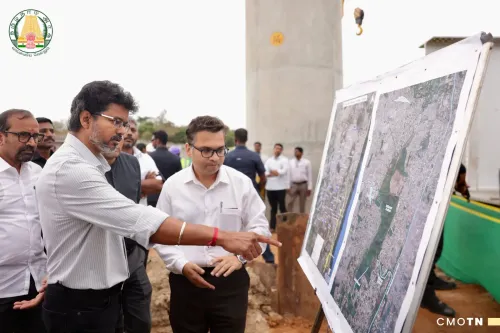
CM Joseph Vijay conducted an inspection of Greater Chennai Corporation flood-preparedness measures on 18 October 2026 .
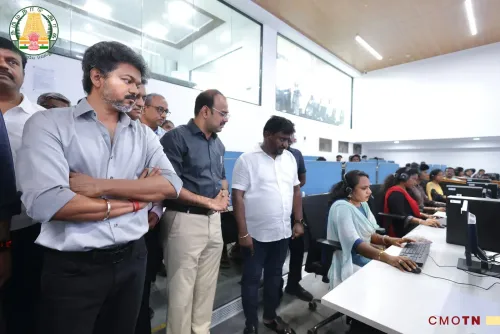
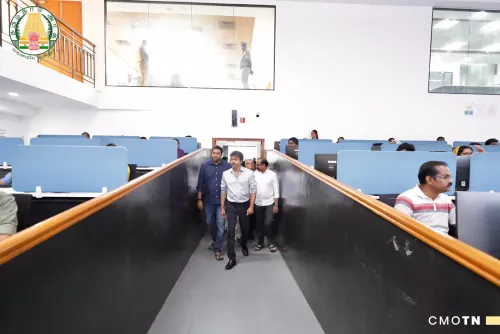
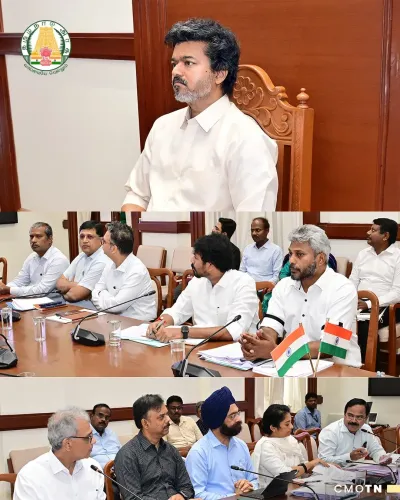
He toured the Integrated Command and Control Centre (ICCC) , Chennai's centralised emergency coordination hub.
The visit is part of annual pre-monsoon review protocols instituted after the devastating 2015 Chennai floods .
The Northeast Monsoon (October–December) brings the heaviest rainfall risk to Chennai due to its low-lying topography and drainage challenges.
IMD forecasts for October–December 2026 and Corporation drain-maintenance completion reports are the next key indicators to watch.
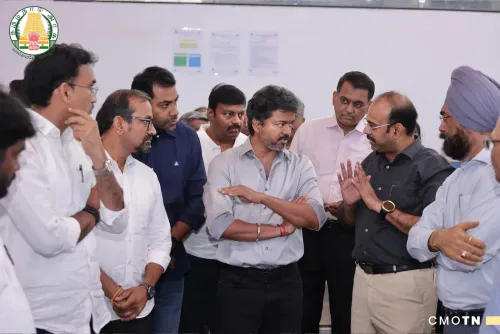
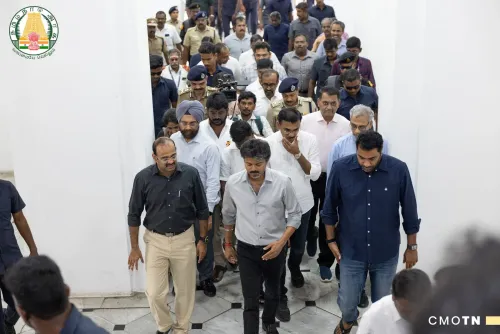
With the Northeast Monsoon bearing down on Tamil Nadu, Chief Minister Joseph Vijay on Sunday, 18 October 2026, stepped into the frontlines of flood readiness — inspecting the Greater Chennai Corporation's precautionary measures and touring the city's Integrated Command and Control Centre (ICCC) to assess the state's preparedness for the critical rain season.
What the CM Examined at the Control Centre
The visit centred on two pillars: the on-ground preventive work being carried out by the Greater Chennai Corporation ahead of the October–December monsoon window, and the operational status of the ICCC — Chennai's centralised nerve centre for coordinating emergency response, civic services, and real-time city monitoring.
The ICCC, developed as part of the Smart Cities Mission, consolidates feeds from across the city to enable faster decision-making during flood events. A chief ministerial walk-through signals the review was more than ceremonial — it was an accountability check on whether the city's emergency infrastructure is deployment-ready.
Why October Reviews Matter for Chennai
The 2015 Chennai floods rewrote how the state approaches the pre-monsoon calendar. That disaster — among the worst urban floods in India's recent history — cost hundreds of lives and billions in damages, and made annual October reviews of drain desilting and emergency protocols a near-mandatory governance ritual for successive Tamil Nadu administrations.
Chennai's geography amplifies the stakes. The city's low-lying topography, dense urban fabric, and historically stressed drainage network mean even moderate rainfall can translate into street-level flooding within hours. The Greater Chennai Corporation is the first institutional line of defence, and its preparedness — or lack thereof — determines how the city weathers each season.
IMD Forecasts and What Comes Next
All eyes now turn to India Meteorological Department rainfall projections for the October–December 2026 season across Tamil Nadu. Subsequent Corporation reports on the completion of drain maintenance and desilting works will reveal how much of the groundwork has translated into actual flood resilience on Chennai's streets.
For millions of Chennai residents who have lived through waterlogged roads and inundated homes, a chief minister's inspection is both a reassurance and a benchmark — the administration is now on record for its state of readiness.
Point of View
An early, visible inspection of both on-ground Corporation works and the digital command apparatus signals an intent to be seen as a hands-on administrator during a season when urban governance failures are acutely felt by voters. The focus on the ICCC also reflects a broader state push to institutionalise smart-city infrastructure as an emergency governance tool, not merely a showcase asset. Whether the inspections translate into measurable flood-response improvements will be tested in the weeks ahead as IMD forecasts sharpen.
NationPress
18 Oct 2026
Frequently Asked Questions
Why did CM Joseph Vijay visit the Greater Chennai Corporation?
CM Joseph Vijay visited the Greater Chennai Corporation on 18 October 2026 to review precautionary measures being undertaken ahead of the Northeast Monsoon season, which runs from October to December and poses significant flood risks to Chennai.
What is the Integrated Command and Control Centre in Chennai?
The Integrated Command and Control Centre (ICCC) is a centralised monitoring facility in Chennai developed under the Smart Cities Mission. It coordinates emergency response, traffic management, and civic services by consolidating real-time data feeds from across the city.
Why is the Northeast Monsoon particularly dangerous for Chennai?
Chennai's low-lying topography and historically stressed drainage network mean the city is highly vulnerable to flooding during the Northeast Monsoon (October–December). The 2015 Chennai floods, one of India's worst urban flood disasters, highlighted these structural risks.
What flood-preparedness steps does the Greater Chennai Corporation take before the monsoon?
The Greater Chennai Corporation typically undertakes drain desilting, removal of encroachments near waterways, and maintenance of pumping stations ahead of the Northeast Monsoon, with annual pre-monsoon reviews conducted each October.
What should Chennai residents watch for this monsoon season?
Residents should follow IMD rainfall forecasts for October–December 2026 and official Corporation updates on drain-maintenance completion, which will indicate how prepared the city is for heavy rainfall events.