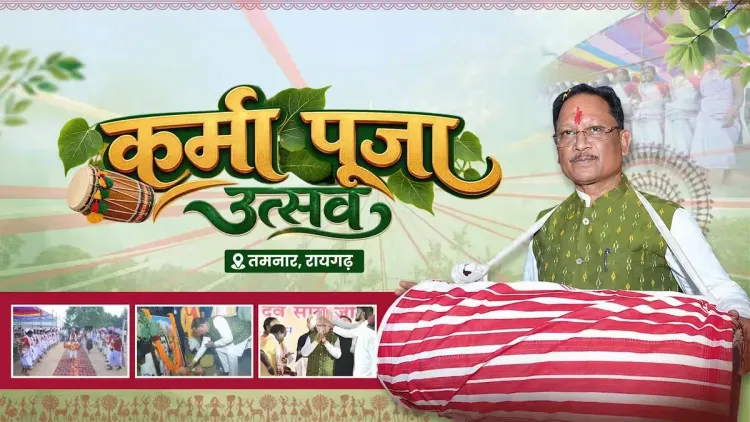
CM Vishnu Deo Sai Celebrates Karma Puja at Tamanar
Synopsis
Chhattisgarh Chief Minister Vishnu Deo Sai marked the Karma Puja Mahotsav in Tamanar on 15 October 2026, praising the tribal festival's worship of the Karam tree, Mandar drum rhythms, and folk songs as vital vehicles for preserving Adivasi heritage across generations.
Key Takeaways
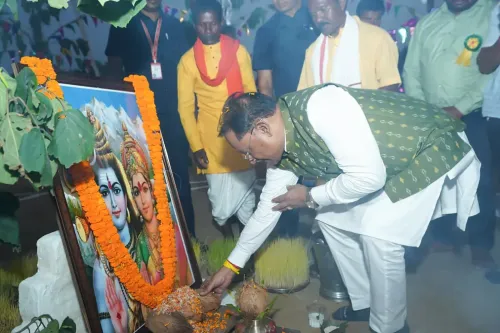
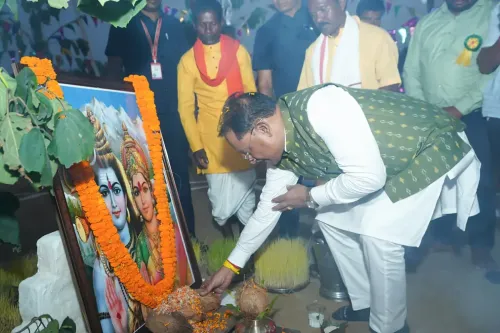
CM Vishnu Deo Sai celebrated the Karma Puja Mahotsav held in Tamanar, Chhattisgarh on 15 October 2026 .
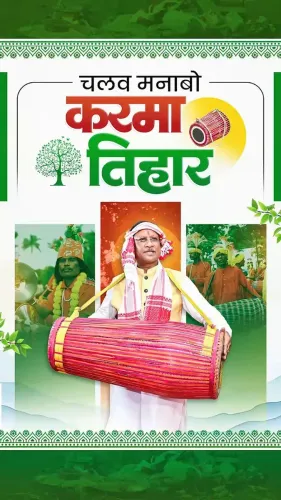
The festival centres on the worship of the sacred Karam tree , accompanied by Mandar drum rhythms and traditional folk songs.
CM Sai described Karma Puja as a symbol of tribal traditions, faith in nature, and collective joy .
He called such events a 'beautiful medium' for preserving and transmitting Chhattisgarh's folk heritage to future generations.
Chhattisgarh has one of India's largest Scheduled Tribe populations , making Adivasi festivals significant cultural and political markers in the state.
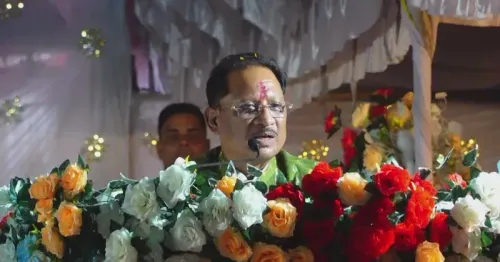
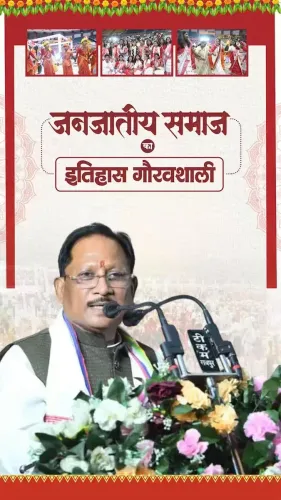
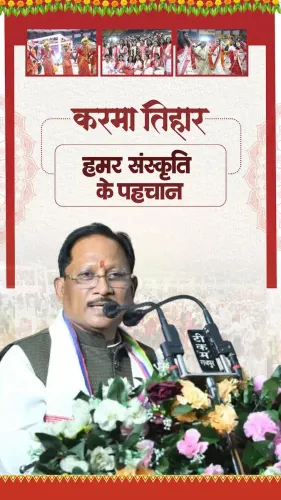
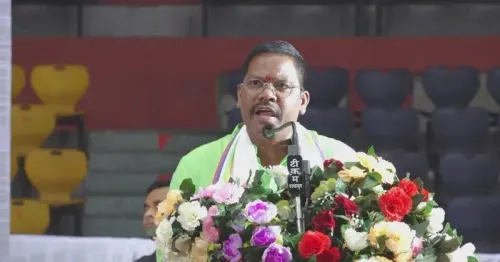
The beat of the Mandar drum, the worship of the sacred Karam tree, and the swell of folk songs — Tamanar's Karma Puja Mahotsav came alive in a celebration that Chhattisgarh Chief Minister Vishnu Deo Sai called a living symbol of tribal tradition and collective joy.
Posting on Thursday, 15 October 2026, CM Sai wrote: 'करम डार की पूजा, मांदर की थाप और मधुर लोकगीतों की गूंज' — 'the worship of the Karam branch, the rhythm of the Mandar, and the echo of melodious folk songs' — had filled Tamanar's festival grounds with the colours of living folk culture. He described the Karma festival as a symbol of Chhattisgarh's tribal traditions, faith in nature, and communal celebration, and called such events a 'beautiful medium' for preserving and passing on a rich folk heritage to future generations.
What Karma Puja means for Chhattisgarh's tribes
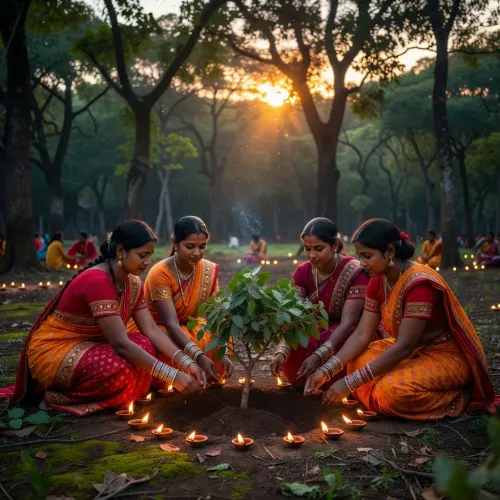
Karma Puja is one of the most widely observed seasonal festivals among the tribal communities of Chhattisgarh. At its heart is the ritual worship of the Karam tree — a sacred symbol of nature's abundance — accompanied by the thundering rhythm of the Mandar, a traditional drum central to Adivasi ceremonial music. Folk songs passed down through generations anchor the festival to a shared sense of place and identity.
Chhattisgarh is home to one of India's largest Scheduled Tribe populations, and seasonal festivals like Karma are not simply religious events — they are living archives of language, ecology, and community memory. The festival's emphasis on collective participation, reverence for the natural world, and oral tradition makes it a particularly resonant cultural marker in the state's Adivasi heartland.
A visible pattern of cultural recognition
CM Sai's engagement with the Tamanar Karma Puja Mahotsav fits a broader pattern across central and eastern India, where chief ministers from both major parties have used visible participation in Adivasi festivals to signal state support for heritage preservation. In Chhattisgarh specifically, tribal festivals have long served as public arenas where the balance between cultural identity and development policy gets negotiated and displayed.
The emphasis on 'transmitting heritage to future generations' points toward the policy conversation that follows such events — district-level cultural programming, documentation of tribal performing arts, and support for folk artists who carry these traditions forward.
A drum beat in Tamanar today; the question is what institutional support follows the applause.
Point of View
Warm, and cost-free in the short term. For a BJP government that has prioritised Adivasi outreach since the 2023 assembly win, being seen celebrating Karma Puja in a district like Tamanar reinforces its claim to be the custodian of Adivasi identity, not just welfare delivery. The real test, as analysts note, is whether these ceremonial moments translate into funded programmes for documenting and sustaining tribal performing arts. Chief ministers across the political spectrum have attended such festivals; the differentiator is the institutional infrastructure that follows.
NationPress
16 Oct 2026
Frequently Asked Questions
What is Karma Puja and why is it celebrated in Chhattisgarh?
Karma Puja is a major tribal festival in Chhattisgarh centred on the worship of the sacred Karam tree, which symbolises nature's abundance. Communities celebrate with Mandar drum performances and folk songs, expressing reverence for nature and reinforcing collective bonds. It is one of the most significant seasonal festivals among the state's large Scheduled Tribe population.
Where is Tamanar and what happened there on 15 October 2026?
Tamanar is a town in Chhattisgarh where the Karma Puja Mahotsav was held on 15 October 2026. The festival featured Karam tree worship, Mandar drum rhythms, and folk song performances. Chief Minister Vishnu Deo Sai posted about the event, calling it a vibrant expression of tribal folk culture.
What did CM Vishnu Deo Sai say about the Karma Puja Mahotsav?
CM Sai described the festival as a symbol of Chhattisgarh's tribal traditions, faith in nature, and communal celebration. He called such events a 'beautiful medium' for preserving the state's rich folk heritage and transmitting it to future generations.
What is the significance of the Karam tree in tribal culture?
The Karam tree is a sacred symbol in several tribal communities of central and eastern India, associated with prosperity, nature, and communal well-being. Its ritual worship during the Karma festival is a central act of reverence that connects communities to their natural surroundings and ancestral traditions.
How does Chhattisgarh support its tribal cultural heritage?
Chhattisgarh, which has one of India's largest Scheduled Tribe populations, has seen successive state governments highlight tribal festivals as markers of cultural identity. State support has taken the form of organising district-level cultural events and promoting folk arts, though the scope and funding of such programmes remain a subject of ongoing policy discussion.