CM Vishnu Deo Sai meets former Chhattisgarh Youth Commission chief
Synopsis
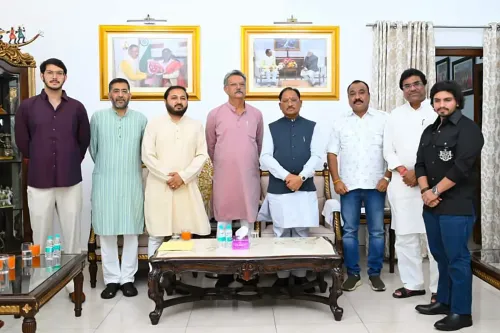
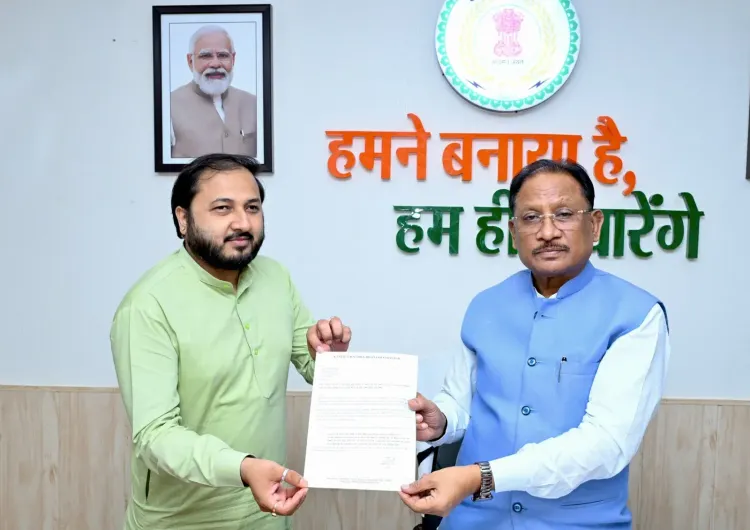
Chhattisgarh CM Vishnu Deo Sai received Kamal Chandra Bhanjdev, former Chhattisgarh Youth Commission Chairman and Bastar Maharaja, for a courtesy visit on 6 August 2026. No formal agenda was announced.
Key Takeaways
Kamal Chandra Bhanjdev , former Chairman of the Chhattisgarh Youth Commission , called on CM Vishnu Deo Sai on 6 August 2026 .
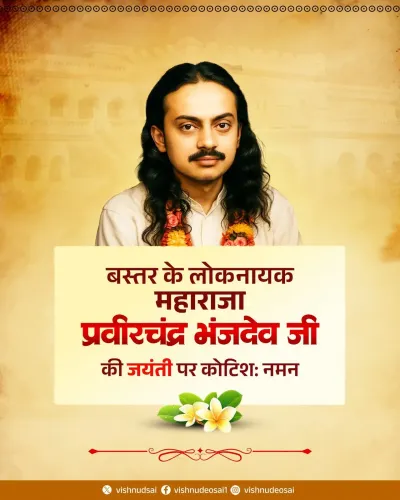
Bhanjdev is known as Bastar Maharaja , belonging to the erstwhile royal family of the Bastar region in southern Chhattisgarh.
The visit was described as a courtesy call with no formal agenda or outcomes announced.
The Chhattisgarh Youth Commission oversees youth development and welfare schemes across the state.
Bastar carries significant tribal and cultural weight in Chhattisgarh's political and social landscape.
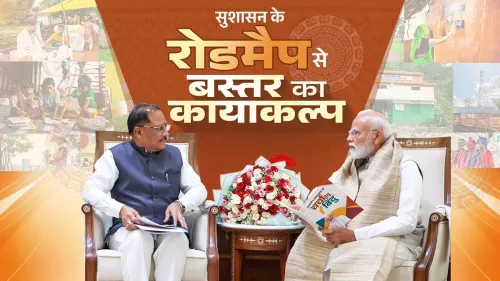
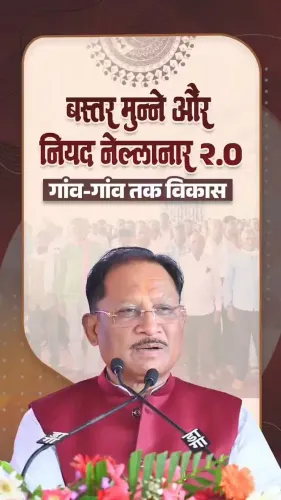
A courtesy call from a figure who carries both institutional history and royal lineage — Chhattisgarh Chief Minister Vishnu Deo Sai received Kamal Chandra Bhanjdev, former Chairman of the Chhattisgarh Youth Commission and scion of the erstwhile Bastar royal family, on Thursday, 6 August 2026.
CM Sai shared the meeting on X, noting that Bhanjdev — widely known as Bastar Maharaja — paid a courtesy visit (shishṭācār bheṃṭ). No formal agenda or outcomes were announced.
Who is Kamal Chandra Bhanjdev?
Bhanjdev belongs to the royal lineage of the Bastar region, one of southern Chhattisgarh's most historically significant territories, home to a large tribal population. His tenure as Chairman of the Chhattisgarh Youth Commission placed him at the centre of the state's youth welfare architecture — a body responsible for development schemes and welfare programmes for young people across the state.
Bastar's weight in Chhattisgarh politics
Courtesy visits by former commission heads to a sitting Chief Minister are routine in Indian state administration — informal channels that allow regional concerns to surface without a formal agenda. But when the visitor carries the Bastar Maharaja title, the meeting carries cultural and community resonance beyond protocol. Bastar's tribal communities and traditional leadership structures have long held influence in the region's social fabric, and any engagement between the state government and that lineage draws quiet attention from youth welfare bodies and Bastar communities alike.
Whether this meeting signals any follow-up on youth schemes or deeper state engagement with Bastar's traditional leadership remains to be watched.
Point of View
Off-agenda, but rarely without purpose. The involvement of Kamal Chandra Bhanjdev, who straddles both the administrative world of the Youth Commission and the cultural authority of the Bastar royal lineage, gives this meeting an added layer. For the BJP government in Chhattisgarh, maintaining warm ties with traditional leaders from tribal-heavy Bastar is both a governance imperative and a political signal. Any follow-up on youth policy or Bastar-specific outreach will indicate whether this was purely ceremonial or the start of something more substantive.
NationPress
6 Aug 2026
Frequently Asked Questions
Who is Kamal Chandra Bhanjdev?
Kamal Chandra Bhanjdev is the former Chairman of the Chhattisgarh Youth Commission and a scion of the erstwhile royal family of the Bastar region, which is why he is referred to as Bastar Maharaja.
What is the Chhattisgarh Youth Commission?
The Chhattisgarh Youth Commission is a state body responsible for youth development, welfare schemes, and related programmes for young people across Chhattisgarh.
Why did Kamal Chandra Bhanjdev meet CM Vishnu Deo Sai?
The meeting was described as a courtesy visit. No formal agenda or specific outcomes were announced by either side.
Where is Bastar and why is it significant?
Bastar is a district in southern Chhattisgarh with a large tribal population and a historically prominent royal lineage. It holds considerable cultural and political significance in the state.
What is the significance of the Bastar Maharaja title?
The title refers to the traditional royal lineage of the Bastar region. Figures bearing this title carry cultural authority among Bastar's communities, making their engagement with the state government notable beyond mere protocol.