CM Vishnu Deo Sai pays tribute to Tulsidas on Jayanti
Synopsis
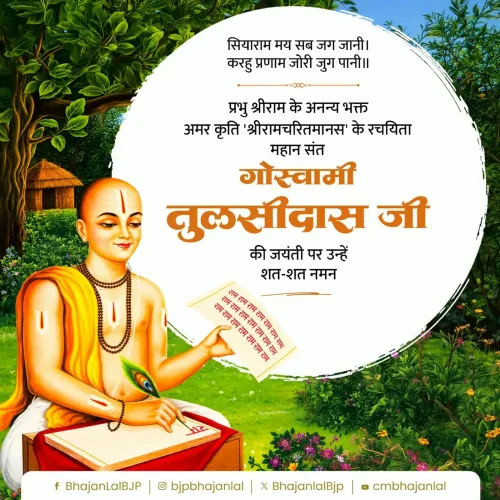
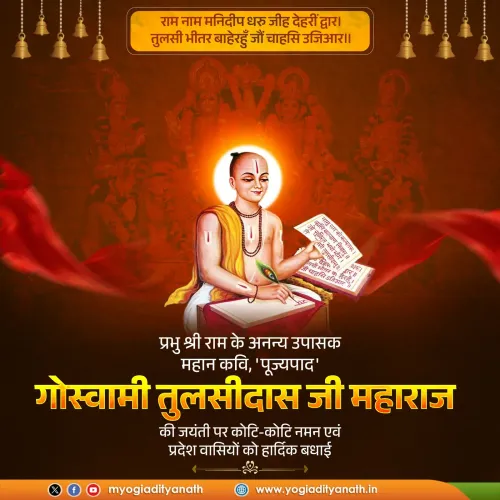
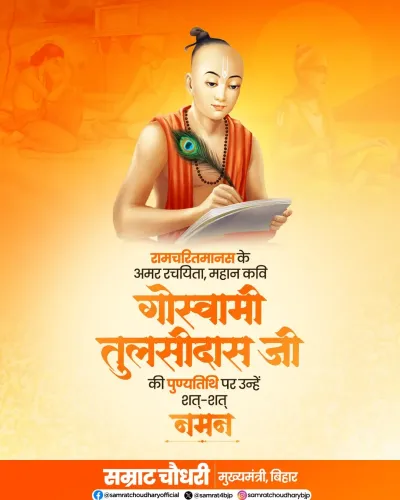
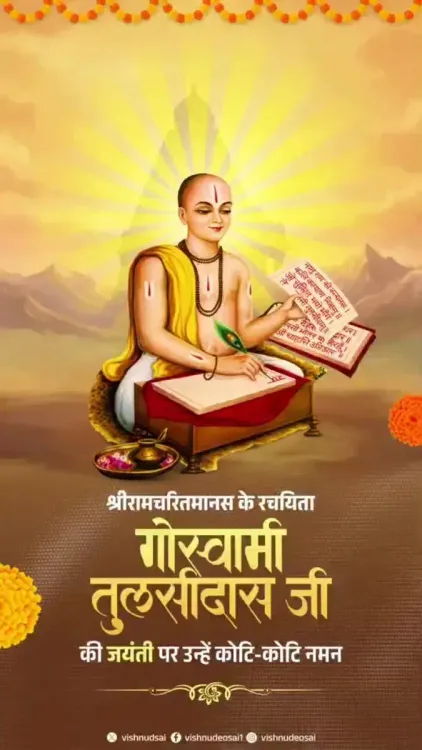
Chhattisgarh Chief Minister Vishnu Deo Sai on 19 August 2026 paid tribute to 16th-century poet-saint Goswami Tulsidas on his Jayanti, calling the Ramcharitmanas an eternal guide carrying Lord Ram's values to every household.
Key Takeaways
Chhattisgarh Chief Minister Vishnu Deo Sai posted a tribute to Goswami Tulsidas on his Jayanti on 19 August 2026 .
He described Tulsidas as a great saint and poet who enshrined devotion, dignity, and universal welfare in the hearts of the people through his writing.
Sai credited the Ramcharitmanas with carrying Lord Ram's ideal life-values to every household across India.
Tulsidas was a 16th-century Awadhi poet-saint whose vernacular retelling of the Ramayana shaped cultural and moral discourse for over four centuries.
The tribute follows a broader pattern of Indian political leaders publicly honouring medieval bhakti saints on their Jayantis.
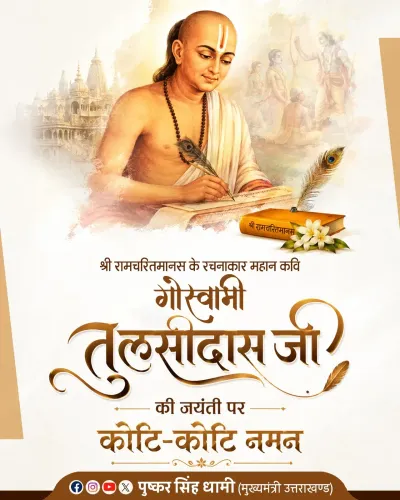
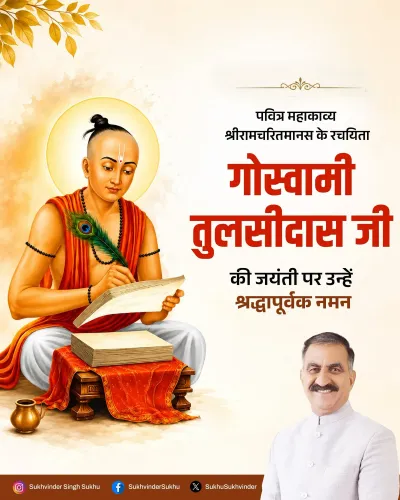
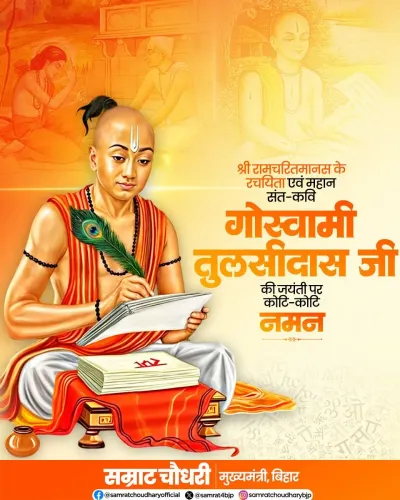
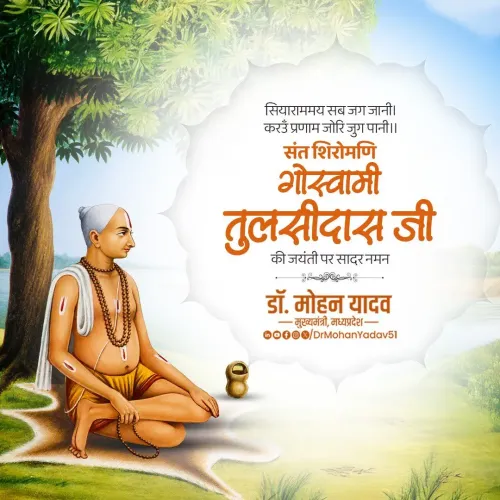
Centuries after his quill fell silent, Goswami Tulsidas still speaks to millions — and on Wednesday, 19 August 2026, Chhattisgarh Chief Minister Vishnu Deo Sai joined that long chorus of reverence, offering a heartfelt salute to the poet-saint on his Jayanti.
Posting in Hindi, Chief Minister Sai wrote that Tulsidas had 'enshrined in the hearts of the people the power of devotion, the message of dignity, and the spirit of universal welfare through his pen.' He added that through the Shriramcharitmanas, Tulsidas carried the ideal life-values of Lord Shri Ram to every household, and that the message of bhakti, ethics, and righteous conduct embedded in his timeless works 'will guide society for ages to come.'
The saint who rewrote a civilisation
Goswami Tulsidas was a 16th-century Awadhi poet-saint whose Ramcharitmanas — a retelling of the Ramayana in the vernacular — became one of the most widely recited texts in the Hindi-speaking world. By choosing Awadhi over Sanskrit, Tulsidas democratised the Rama narrative, placing it within reach of ordinary households rather than confining it to priestly scholarship. The text's verses on duty, devotion, and moral conduct have shaped cultural and ethical discourse across northern and central India for over four centuries.
Across India, political leaders from every major party mark the Jayantis of medieval bhakti saints as moments of cultural affirmation. For a Chhattisgarh Chief Minister, invoking Tulsidas carries particular resonance — the state sits in the heartland where the Ramcharitmanas tradition runs deep, and Ram-bhakti remains a living, everyday practice rather than a historical footnote.
Frequently Asked Questions
Who was Goswami Tulsidas?
Goswami Tulsidas was a 16th-century Awadhi poet-saint best known for composing the Ramcharitmanas, a vernacular retelling of the Ramayana that brought the story of Lord Ram to ordinary households across India.
What is Tulsidas Jayanti?
Tulsidas Jayanti is the annual birth anniversary of Goswami Tulsidas, celebrated by Hindus across India with recitations of the Ramcharitmanas, devotional gatherings, and public tributes.
What did CM Vishnu Deo Sai say on Tulsidas Jayanti 2026?
Chief Minister Vishnu Deo Sai said Tulsidas enshrined the power of devotion, the message of dignity, and the spirit of universal welfare in people's hearts, and that the Ramcharitmanas carried Lord Ram's ideal values to every home.
Why is the Ramcharitmanas important?
The Ramcharitmanas is important because it made the Rama narrative accessible in the Awadhi vernacular rather than Sanskrit, shaping moral, devotional, and cultural life across northern and central India for over four centuries.
What is the significance of Tulsidas Jayanti for Chhattisgarh?
Chhattisgarh lies in the heartland where Ram-bhakti and the Ramcharitmanas tradition are deeply embedded in everyday life, making the Jayanti a culturally significant occasion that political leaders in the state regularly observe.