CM Mohan Yadav Hails 12 Years of Middle Class Empowerment Under Modi
Synopsis
MP Chief Minister Dr. Mohan Yadav praised PM Modi's 12-year record on June 15, 2026, saying India's middle class has become empowered and prosperous through digital reforms and ease-of-living policies under the BJP government.
Key Takeaways
Madhya Pradesh CM Dr.
Mohan Yadav posted on June 15, 2026 crediting PM Narendra Modi 's 12-year tenure with empowering India's middle class.
The post was tagged #12YearsOfSakshamMiddleClass , part of a coordinated BJP anniversary communication drive.
Key policies cited include Digital India (2015), PM Jan Dhan Yojana (2014), and GST (2017).
The framing positions the middle class as a 'primary partner in national development,' not merely a welfare beneficiary.
Focus now shifts to Union Budget 2026-27 proposals on income tax and digital infrastructure that will test this narrative.
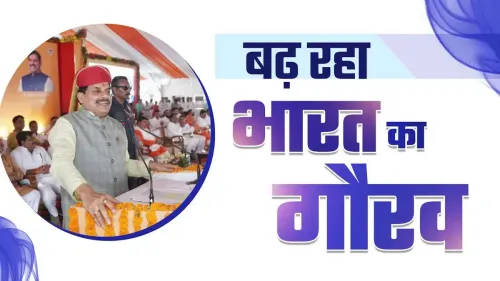
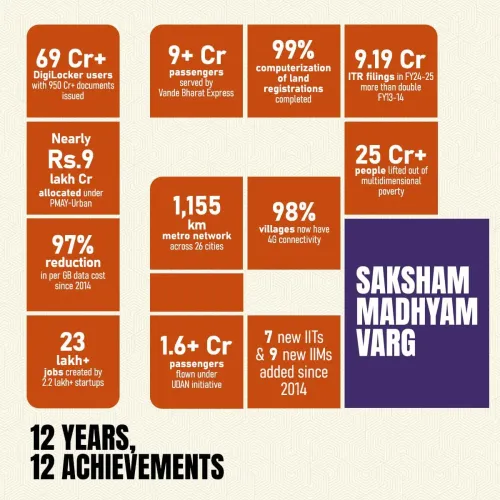
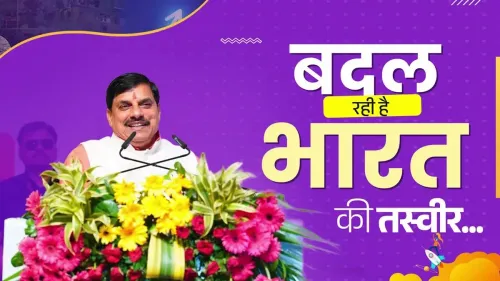
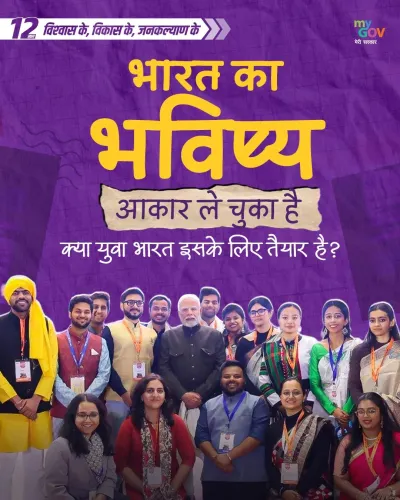
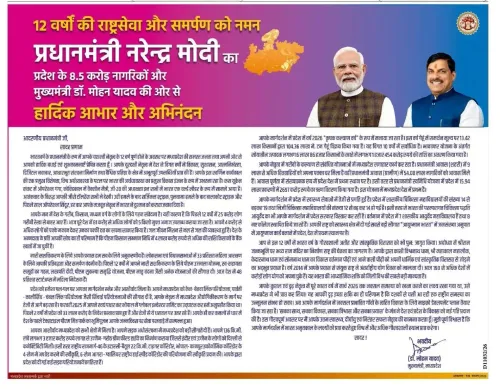
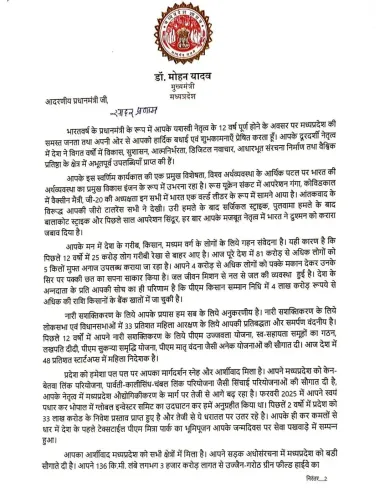
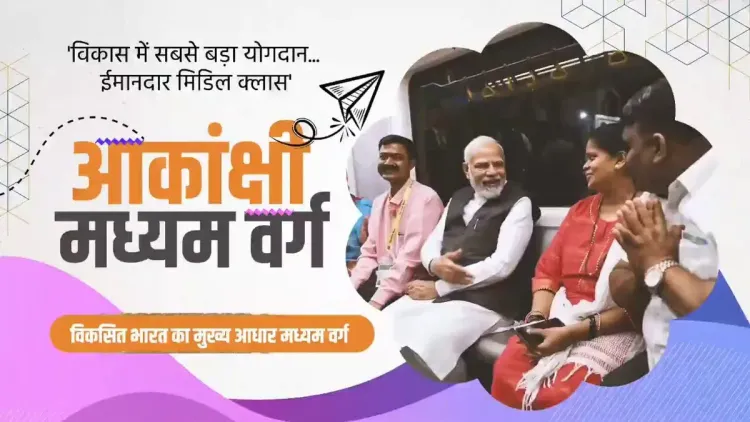
Madhya Pradesh Chief Minister Dr. Mohan Yadav on Monday, June 15, 2026, credited Prime Minister Narendra Modi's decade-plus governance with delivering unprecedented empowerment and prosperity to India's middle class, marking what the ruling BJP is calling 12 years of a 'Saksham Middle Class'. The post, shared on X under the hashtag #12YearsOfSakshamMiddleClass, frames the middle class not merely as consumers but as primary partners in national development.
Context
In his post, Dr. Yadav wrote — translated from Hindi — that 'under the leadership of respected Prime Minister Shri Narendra Modi, in the past 12 years, India's middle class has become empowered, prosperous and self-confident in an unprecedented manner.' He added that every step, from policy initiatives centred on ease of living and quality of life to the digital revolution, has proved decisive in simplifying and strengthening the lives of middle-class citizens. The original Hindi phrase 'प्रमुख भागीदार' (primary partner) signals a deliberate reframing of the middle class from welfare recipient to growth engine.
The post arrives as the BJP marks 12 years since Narendra Modi first assumed office as Prime Minister in May 2014. Party leaders across states have used the occasion to catalogue governance milestones for urban and semi-urban households.
Policy Backdrop
The governance arc Dr. Yadav references spans several landmark interventions. The Digital India programme, launched in July 2015, expanded digital infrastructure and e-governance services, reducing friction for salaried and self-employed households in accessing banking, subsidies, and public utilities. The Pradhan Mantri Jan Dhan Yojana, initiated in 2014, brought formal banking access to millions, while Aadhaar-linked direct benefit transfers cut transaction costs for middle-income families.
The introduction of the Goods and Services Tax (GST) in 2017 unified India's indirect tax structure, simplifying compliance for small businesses and self-employed professionals — a segment that forms a significant share of the aspirational middle class. The Insolvency and Bankruptcy Code of 2016 further improved the ease of doing business and credit access, benefiting entrepreneurs within this demographic.
Stakeholders and Impact
India's urban and semi-urban middle-class households have been the focal point of this policy framing. Unified digital payments infrastructure has lowered transaction costs, while e-governance platforms have reduced dependence on intermediaries for services ranging from tax filing to property registration. The broader pattern in Indian governance since 2014 has positioned digital public goods and regulatory simplification as the primary levers for raising living standards.
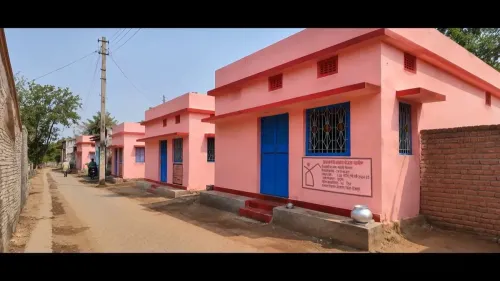
For Madhya Pradesh specifically, state-level implementation of central housing and skill development schemes has targeted urban middle-income groups. Dr. Yadav's amplification of the national narrative aligns Bhopal's administrative priorities with the BJP's broader political messaging ahead of budget season.
What's Next
Attention now turns to the Union Budget 2026-27, where proposals on personal income tax slabs and digital infrastructure outlays are expected to directly affect middle-class households. State-level implementation reports on housing and skill schemes will serve as a key measure of whether the empowerment narrative translates into measurable gains for middle-income groups across Madhya Pradesh and other BJP-governed states. The sustained political emphasis on this constituency signals it will remain central to the party's economic communication through the next electoral cycle.
Point of View
Signalling the party's intent to pitch economic agency, not just relief, as its core offer to urban and semi-urban voters. With the Union Budget 2026-27 approaching, such messaging sets the political baseline against which tax and spending decisions will be judged. For state-level leaders like Dr. Yadav, aligning with this national narrative also reinforces their own administrative credibility ahead of future electoral cycles in Madhya Pradesh.
NationPress
20 Sept 2026
Frequently Asked Questions
What did MP CM Mohan Yadav say about India's middle class?
CM Dr. Mohan Yadav said that under PM Narendra Modi's leadership over the past 12 years, India's middle class has become empowered, prosperous and self-confident in an unprecedented manner, driven by digital reforms and ease-of-living policies.
What is the #12YearsOfSakshamMiddleClass hashtag about?
The hashtag marks 12 years since Narendra Modi became Prime Minister in May 2014. BJP leaders are using it to highlight policies they say have strengthened India's middle class through digital infrastructure, financial inclusion, and regulatory reform.
Which government schemes are credited with empowering India's middle class?
Key schemes include Digital India (launched 2015), Pradhan Mantri Jan Dhan Yojana (2014) for financial inclusion, the Goods and Services Tax (2017) for tax simplification, and the Insolvency and Bankruptcy Code (2016) for ease of doing business.
How has Digital India benefited the middle class?
Digital India expanded e-governance and digital payments infrastructure, reducing transaction costs and dependence on intermediaries for services such as tax filing, banking, and accessing government subsidies — benefits felt acutely by salaried and self-employed middle-class households.
What comes next for India's middle class policy?
The Union Budget 2026-27 is the immediate focus, with proposals on personal income tax slabs and digital infrastructure spending expected to directly affect middle-class households. State-level housing and skill scheme reports will also indicate on-ground impact.