CM Mohan Yadav Hails India-Australia Nuclear Deal
Synopsis
Madhya Pradesh Chief Minister Dr. Mohan Yadav on 9 July 2026 hailed a new India-Australia nuclear agreement announced during PM Modi's visit to Australia, saying it opens a uranium supply route to India and bolsters the country's clean energy goals.
Key Takeaways
MP Chief Minister Dr.
Mohan Yadav welcomed a nuclear energy agreement concluded on 9 July 2026 during PM Modi's visit to Australia.
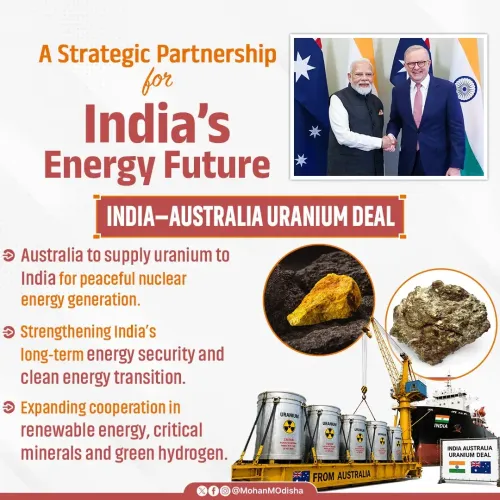
The deal is described as opening a pathway for uranium supply from Australia to India .
India and Australia had first signed a Civil Nuclear Cooperation Agreement in 2014 , permitting uranium exports under IAEA safeguards.
India aims to triple its nuclear power capacity by 2030 as part of its clean energy and net-zero commitments.
Previous framework agreements with Australia had remained largely unimplemented pending commercial contracts and project approvals.
Follow-up commercial contracts and shipment timelines will determine whether this agreement moves beyond the framework stage.
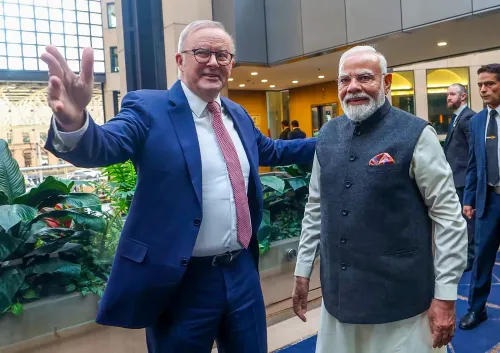
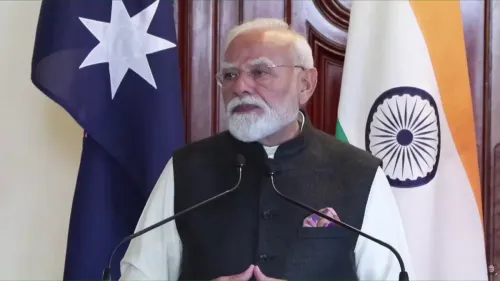
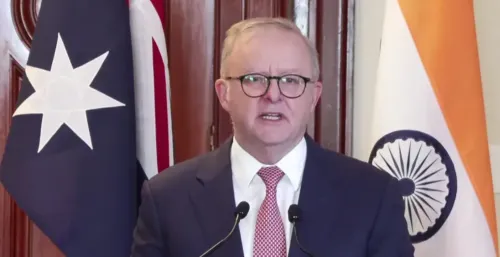
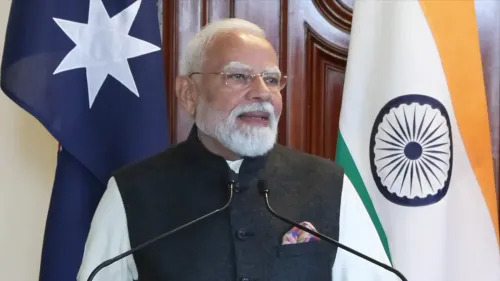
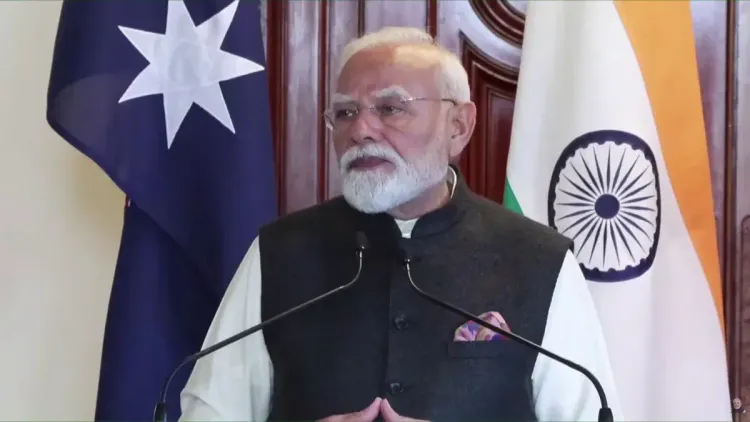
Madhya Pradesh Chief Minister Dr. Mohan Yadav on Thursday, 9 July 2026, welcomed a significant agreement in the nuclear energy sector, stating that it would open a pathway for uranium supply from Australia to India and strengthen the country's clean energy ambitions. The Chief Minister attributed the development to Prime Minister Narendra Modi's ongoing visit to Australia.
Context
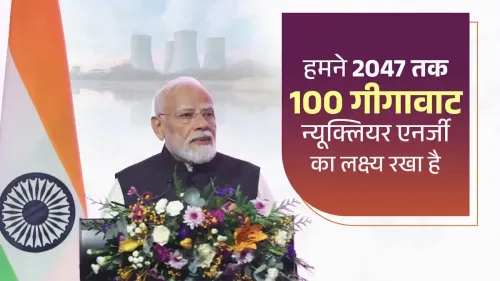
Dr. Yadav shared the update on X, quoting Prime Minister Modi's words: 'Nuclear Energy ke kshetra mein aaj humne ek mahatvapurn samjhauta kiya hai' ('Today we have concluded an important agreement in the field of nuclear energy'). He noted that the deal would open the path for uranium supply from Australia to India and give 'new strength' to the country's clean energy objectives. The post was tagged #PMModiInAustralia, confirming the context of a bilateral engagement between the two nations.
The Chief Minister's post amplifies a national-level diplomatic development, reflecting the BJP-led government's emphasis on civil nuclear cooperation as a pillar of India's energy transition strategy.
Policy Backdrop
India and Australia signed a Civil Nuclear Cooperation Agreement in 2014 during Prime Minister Modi's first visit to Canberra, which permitted uranium exports to India under International Atomic Energy Agency (IAEA) safeguards. That agreement was a landmark shift, as Australia — one of the world's largest uranium producers — had historically declined to supply uranium to countries outside the Nuclear Non-Proliferation Treaty (NPT).
India has pursued a policy of diversifying its uranium sourcing beyond domestic mines, concluding supply arrangements with countries including Canada and Kazakhstan, all structured to comply with Nuclear Suppliers Group (NSG) norms. The country has set an ambitious target of tripling its nuclear power capacity by 2030 as part of its broader net-zero and clean energy commitments. The 2014 Australia deal had remained largely at the framework stage, pending commercial contracts and project-level approvals.
Stakeholders and Impact
The primary beneficiaries of any operationalised uranium supply arrangement would be India's nuclear utilities, including the state-owned Nuclear Power Corporation of India Limited (NPCIL), which operates the country's fleet of pressurised heavy-water reactors that depend on natural uranium fuel. A reliable, diversified supply chain is considered essential for India to scale up nuclear generation without bottlenecks.
For Madhya Pradesh specifically, nuclear energy carries relevance given the state's energy-intensive industrial base and ongoing electrification priorities. Clean energy commitments at the state level are increasingly tied to the national grid's generation mix, making federal-level supply agreements directly consequential for state planning.
What's Next
Attention will now turn to whether this latest agreement translates into concrete commercial contracts, shipment timelines, and project-level approvals that previous framework deals had not fully achieved. Analysts and nuclear sector stakeholders will watch for announcements on specific reactor projects that could utilise Australian uranium, as well as any follow-on diplomatic statements from the Ministry of External Affairs or the Department of Atomic Energy. The pace of implementation will be a key test of whether this round of bilateral engagement moves beyond the framework stage.
Point of View
Reinforcing the party's narrative of decisive energy diplomacy. The framing around 'clean energy' is significant: it positions nuclear power not as a legacy fuel but as a forward-looking climate solution, aligning India's nuclear ambitions with global net-zero discourse. The reference to the 2014 agreement's lineage suggests continuity of vision, but the real test lies in implementation — past India-Australia nuclear frameworks have stalled at the commercial stage. Whether this iteration produces actual uranium shipments will define its legacy beyond the diplomatic optics.
NationPress
8 Oct 2026
Frequently Asked Questions
What is the India-Australia nuclear agreement announced in July 2026?
On 9 July 2026, during PM Narendra Modi's visit to Australia, India and Australia concluded a nuclear energy agreement aimed at enabling uranium supply from Australia to India to support India's clean energy goals. Specific commercial details are yet to be publicly confirmed.
Has Australia supplied uranium to India before?
Australia and India signed a Civil Nuclear Cooperation Agreement in 2014 permitting uranium exports under IAEA safeguards, but the arrangement had largely remained at the framework level pending commercial contracts and project approvals.
Why does India need uranium from Australia?
India is seeking to diversify its uranium supply sources beyond domestic mines to fuel its expanding fleet of nuclear reactors and meet its target of tripling nuclear power capacity by 2030 as part of its net-zero commitments.
What did MP CM Mohan Yadav say about the nuclear deal?
Chief Minister Dr. Mohan Yadav welcomed the agreement on X, quoting PM Modi and stating that it would open the path for uranium supply from Australia to India and give new strength to the country's clean energy objectives.
How does this nuclear deal affect India's clean energy targets?
Securing a reliable uranium supply from Australia would help India scale up nuclear power generation, which is a key component of the country's strategy to achieve net-zero emissions and expand clean energy capacity significantly by 2030.