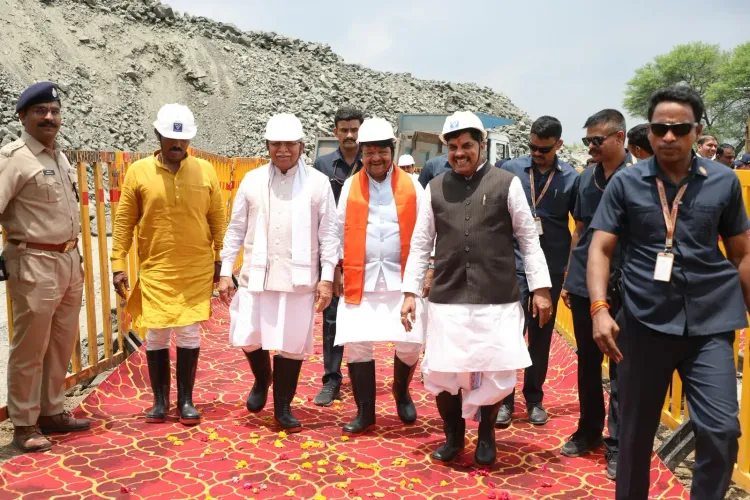
CM Mohan Yadav, Khattar Inspect Kanh Duct Project in Ujjain
Synopsis
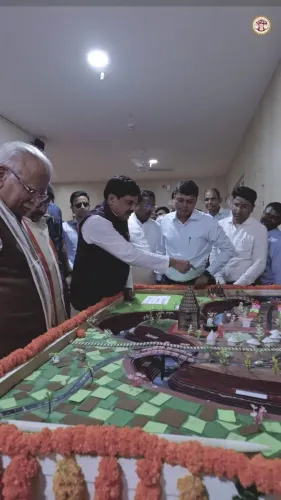
Chief Minister Dr. Mohan Yadav and Union Minister Manohar Lal Khattar inspected the Kanh Diversion Closed Duct Project in Ujjain on 20 June 2026, reviewing progress on infrastructure designed to protect the sacred Shipra river from pollution ahead of future Kumbh Mela gatherings.
Key Takeaways
Mohan Yadav and Union Minister Manohar Lal Khattar jointly inspected the Kanh Diversion Closed Duct Project in Ujjain on 20 June 2026 .
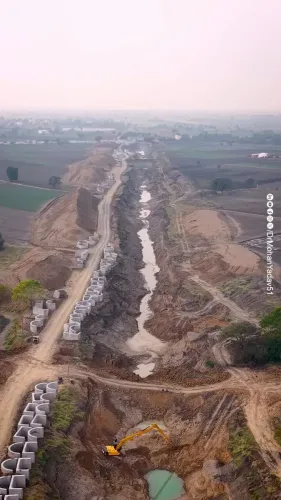
The project is designed to intercept and divert flow from the Kanh river to prevent it from polluting the Shipra river .
The Shipra is the ceremonial river of the Simhastha Kumbh Mela , drawing tens of millions of pilgrims to Ujjain every twelve years.
The joint inspection signals active central-state coordination between the Madhya Pradesh government and the Union Cabinet on the project.
The initiative follows a policy lineage rooted in Simhastha 2016 preparations and the Namami Gange river-rejuvenation framework launched in 2014 .
Completion milestones and water-quality data are expected to be watched closely ahead of the next Simhastha Kumbh Mela .
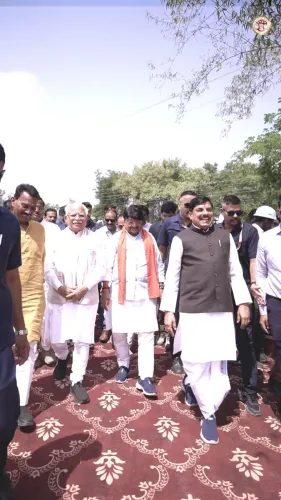
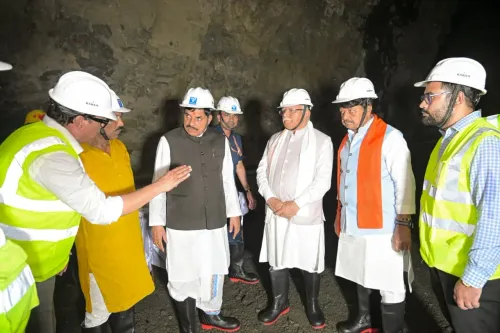
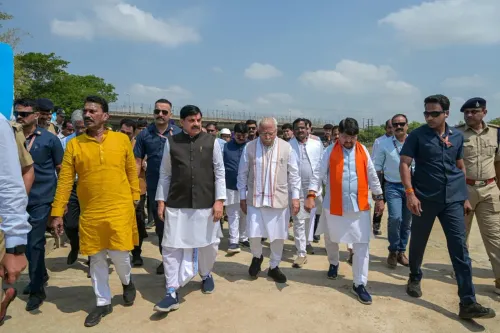
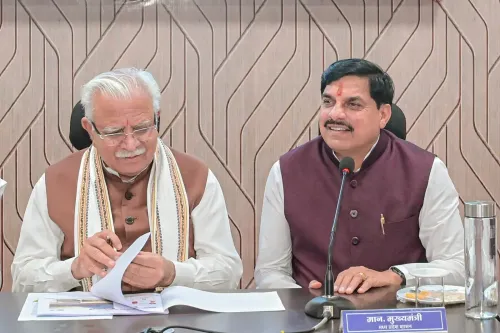
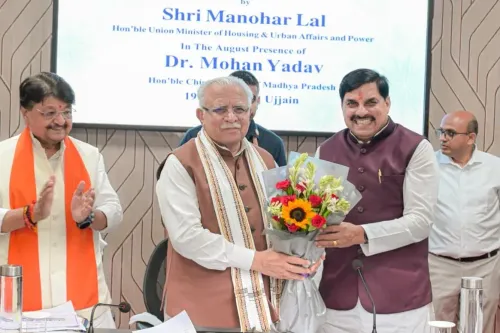
Chief Minister Dr. Mohan Yadav and Union Minister Manohar Lal Khattar jointly inspected the Kanh Diversion Closed Duct Project in Ujjain on Saturday, 20 June 2026, reviewing the progress of development works aimed at preserving the purity of the Shipra river.
The Chief Minister's Office of Madhya Pradesh announced the visit on X, stating that the project 'maa Shipra ke jal ko swachh va nirmal banaye rakhne ki disha mein mahatvapurn bhumika nibhayegi' — 'will play an important role in keeping the waters of Mother Shipra clean and pristine.'
Context
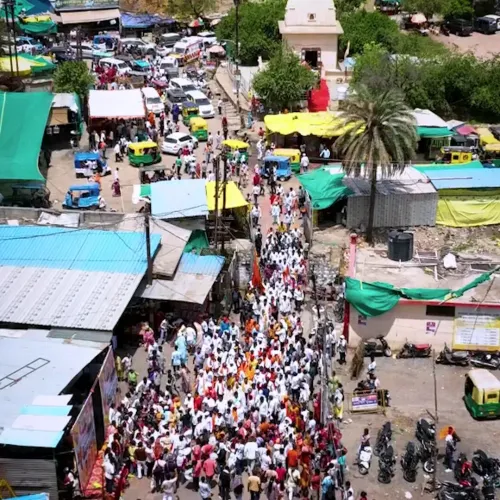
The Kanh Diversion Closed Duct Project is a water-infrastructure initiative designed to intercept and divert flow from the Kanh river before it merges with the Shipra, thereby preventing pollutants from contaminating the Shipra's waters. The Shipra is a perennial river in western Madhya Pradesh that flows through the heart of Ujjain, one of India's most sacred pilgrimage cities. The river is the ceremonial focal point of the Simhastha Kumbh Mela, held every twelve years and drawing tens of millions of pilgrims.
Policy Backdrop
River-cleaning efforts around Ujjain have a documented policy lineage stretching back to preparations for the 2016 Simhastha Kumbh Mela, when the Madhya Pradesh government undertook multiple river-cleaning and ghats-development works on the Shipra. The Namami Gange programme, launched by the Government of India in 2014, extended its river-rejuvenation mandate to tributaries and associated rivers including the Shipra, creating a framework for central-state coordination on such projects. Closed-conduit diversion models — where polluted inflows are captured in underground or covered ducts rather than allowed to mix with a sacred waterbody — have been adopted in other temple towns across India as a technically preferred approach to maintaining ritual water quality.
Stakeholders and Impact
The primary beneficiaries of a cleaner Shipra are the millions of pilgrims who visit Ujjain throughout the year to bathe at its ghats, particularly around the Mahakaleshwar Jyotirlinga temple, one of the twelve Jyotirlingas in India. Local residents and the city's urban ecology also stand to gain from reduced river pollution. The joint inspection by a state chief minister and a Union Cabinet minister signals active central-state coordination, underscoring the project's importance beyond routine municipal infrastructure.
Manohar Lal Khattar, who serves as a Union Cabinet Minister after previously serving as Chief Minister of Haryana from 2014 to 2024, brings oversight of central government interests in the project. His presence at the site alongside Dr. Mohan Yadav — who has led Madhya Pradesh since the BJP's victory in the 2023 state assembly elections — indicates a high level of political attention to the initiative's timely execution.
What's Next
Authorities are expected to announce completion milestones and water-quality benchmarks for the Kanh project as preparations eventually build toward the next Simhastha Kumbh Mela in Ujjain. The project's progress could also influence state budget allocations or central funding decisions for replicating similar closed-duct diversion systems on other polluted tributaries feeding sacred rivers across India. A successful outcome in Ujjain would strengthen the case for scaling this infrastructure model to other pilgrimage towns facing comparable river-pollution challenges.
Point of View
And the Simhastha Kumbh Mela provides an unmistakable one. The Kanh Diversion project fits squarely within the BJP-led government's broader pattern of framing infrastructure investment at pilgrimage centres as both development and cultural stewardship, a formula that has proven electorally resonant in Madhya Pradesh. Khattar's presence also hints at potential central funding or scheme linkage — possibly under Namami Gange or a successor programme — which would have implications for how similar projects are structured at other temple towns. If the Shipra's water quality visibly improves before the next Kumbh, the political dividend for both the state and central leadership will be considerable.
NationPress
19 Sept 2026
Frequently Asked Questions
What is the Kanh Diversion Closed Duct Project in Ujjain?
The Kanh Diversion Closed Duct Project is a water infrastructure initiative in Ujjain, Madhya Pradesh, that intercepts and diverts the flow of the Kanh river through a closed duct system to prevent it from polluting the sacred Shipra river.
Why is the Shipra river important in Ujjain?
The Shipra is a perennial river flowing through Ujjain that holds deep religious significance as the ceremonial bathing river of the Simhastha Kumbh Mela, one of the world's largest religious gatherings, held every twelve years in the city.
Who inspected the Kanh Diversion project on 20 June 2026?
Madhya Pradesh Chief Minister Dr. Mohan Yadav and Union Cabinet Minister Manohar Lal Khattar jointly inspected the Kanh Diversion Closed Duct Project in Ujjain on 20 June 2026.
What is Manohar Lal Khattar's role in this project?
Manohar Lal Khattar is a Union Cabinet Minister who participated in the joint inspection alongside CM Dr. Mohan Yadav, indicating central government interest and coordination in the Ujjain river-cleaning initiative.
How does this project connect to the Namami Gange programme?
The Namami Gange programme, launched by the Government of India in 2014 to clean the Ganga and its tributaries, extended its river-rejuvenation mandate to rivers like the Shipra, providing a policy and potentially funding framework for projects such as the Kanh Diversion Closed Duct Project.