CM Mohan Yadav announces Mata Saraswati Lok and Raja Bhoj institute at Dhar
Synopsis
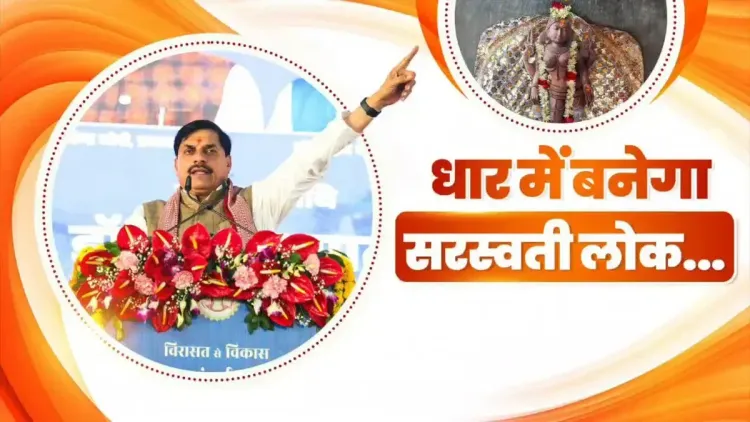
Madhya Pradesh Chief Minister Dr. Mohan Yadav has announced that Dhar will be developed as a major archaeology and tourism hub, with the Mata Saraswati Lok and Raja Bhoj Research Institute to be built at the historic Bhojshala complex, invoking the blessings of Maa Vagdevi.
Key Takeaways
Mohan Yadav announced on 25 May 2026 that Dhar will be developed into a major archaeology and tourism centre.
A Mata Saraswati Lok and a Raja Bhoj Shodh Sansthan (research institute) are to be constructed at the Bhojshala complex.
Bhojshala is an 11th-century site in western Madhya Pradesh associated with Paramara ruler Raja Bhoja (r. c.
The project aligns with a broader Madhya Pradesh state policy of converting archaeological sites into cultural economy and tourism hubs.
Formal project sanction, funding allocation, and ASI clearance remain pending as key milestones.
Stakeholders include Dhar residents, heritage researchers, and communities with cultural ties to the Saraswati-Vagdevi tradition at the site.
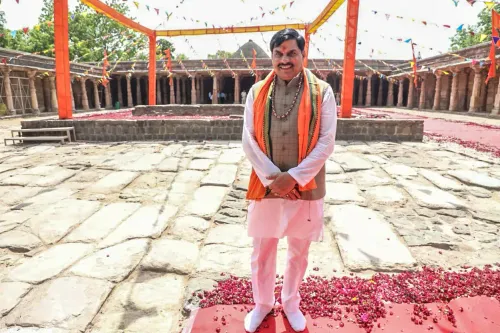
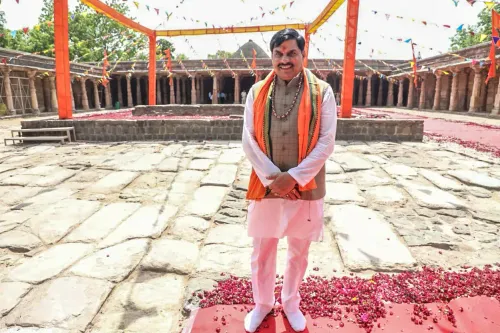
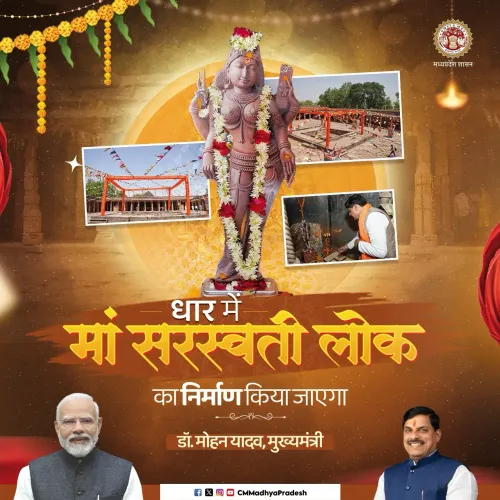
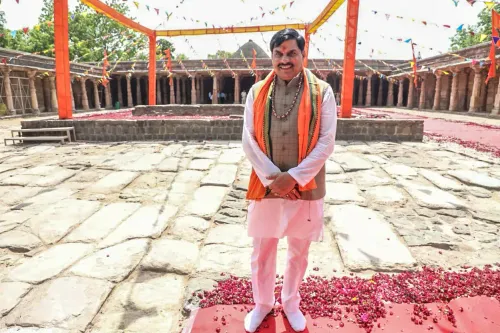
Madhya Pradesh Chief Minister Dr. Mohan Yadav announced on Monday, 25 May 2026 that Dhar will be developed into a major archaeology and tourism centre, with the construction of the Mata Saraswati Lok and the Raja Bhoj Shodh Sansthan (Raja Bhoj Research Institute) at the historic Bhojshala complex.
Context
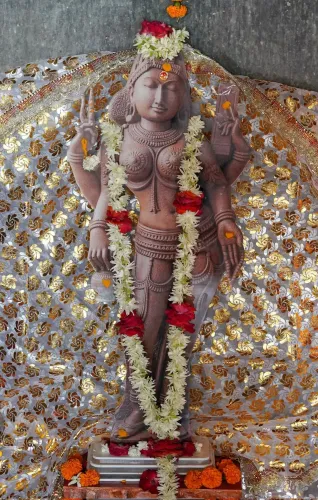
In his post, Dr. Yadav wrote: 'Maa Vagdevi ke aashirwad se Dhar puratatva aur paryatan ka pramukh kendra banega' — 'With the blessings of Maa Vagdevi, Dhar will become a major centre of archaeology and tourism.' He added that the Mata Saraswati Lok and a Raja Bhoj Research Institute will be constructed at the site. The announcement was tagged #Bhojshala, signalling the government's intent to foreground the site's identity as a centre of the Saraswati tradition.
Bhojshala is an 11th-century complex in Dhar, western Madhya Pradesh, historically associated with the Paramara dynasty ruler Raja Bhoja, who reigned approximately from 1010 to 1055 CE. The site carries deep significance as a seat of learning and is linked to the worship of Mata Saraswati, the Hindu goddess of knowledge, also venerated as Vagdevi.
Policy Backdrop
Madhya Pradesh governments have periodically announced heritage tourism initiatives at Paramara-era sites since the early 2000s, seeking to convert archaeological assets into engines of the cultural economy. The proposed Mata Saraswati Lok follows a broader state-level pattern of combining conservation, public access, and institutional research infrastructure at medieval-era locations.
Such projects typically require clearances from the Archaeological Survey of India (ASI), which maintains jurisdiction over protected monuments. Any formal sanction, budget allocation, or ASI coordination will be closely watched as the project moves through official channels.
Stakeholders and Impact
The proposed development is expected to benefit Dhar residents through increased footfall and economic activity tied to heritage tourism. Heritage researchers and scholars focused on the Paramara dynasty and classical Sanskrit traditions stand to gain from the dedicated Raja Bhoj Shodh Sansthan, which could serve as a repository and research hub for the region's medieval history.
The announcement also carries cultural significance for communities that regard Bhojshala as a site of active religious and scholarly heritage. The intersection of archaeological protection, tourism development, and community claims makes Dhar a closely watched location in Madhya Pradesh's heritage policy landscape.
What's Next
Concrete next steps will include a formal project sanction, confirmation of funding sources, and any required ASI clearance for construction within or adjacent to the protected Bhojshala complex. Observers will look to upcoming Madhya Pradesh assembly sessions and state budget announcements for allocations tied to the initiative.
If realised, the twin institutions could reposition Dhar as a flagship destination in India's cultural tourism circuit, amplifying the legacy of Raja Bhoja — one of medieval India's most celebrated scholar-kings — for a new generation of visitors and researchers.
Point of View
Blending religious heritage with institutional research infrastructure — a formula that has gained traction across several BJP-governed states. By invoking Maa Vagdevi and anchoring the project to Raja Bhoja, the CM draws on a medieval legacy that resonates with both scholarly and devout constituencies in the Malwa region. The proposal's realisation will hinge on navigating ASI jurisdiction and securing budgetary commitment, making the next legislative session a critical test of intent. Broadly, the announcement reflects a wider state-level trend of deploying heritage identity as an economic and political asset in India's cultural heartland.
NationPress
13 Oct 2026
Frequently Asked Questions
What is the Bhojshala complex in Dhar?
Bhojshala is an 11th-century archaeological site in Dhar, western Madhya Pradesh, built during the reign of Paramara king Raja Bhoja (c. 1010–1055 CE) and associated with the worship of Mata Saraswati, also known as Vagdevi, the Hindu goddess of knowledge.
What did CM Mohan Yadav announce for Dhar?
On 25 May 2026, Madhya Pradesh Chief Minister Dr. Mohan Yadav announced the construction of Mata Saraswati Lok and the Raja Bhoj Shodh Sansthan (Raja Bhoj Research Institute) at the Bhojshala complex to develop Dhar as a major archaeology and tourism centre.
What is Mata Saraswati Lok?
Mata Saraswati Lok is a proposed cultural and religious space announced by CM Dr. Mohan Yadav at the Bhojshala site in Dhar, dedicated to the goddess Saraswati (Vagdevi), intended to serve as part of a broader heritage and tourism development.
Who was Raja Bhoja and why is he significant to Dhar?
Raja Bhoja was a Paramara dynasty ruler who reigned approximately from 1010 to 1055 CE and established Dhar as a major political and scholarly centre in the Malwa region. He is celebrated as one of medieval India's foremost scholar-kings, and the Bhojshala complex bears his legacy.
Will the Bhojshala project need ASI approval?
Yes, since Bhojshala is a protected archaeological monument, any construction at or adjacent to the site would require clearance from the Archaeological Survey of India (ASI). Formal project sanction and budget allocation are also pending.