Bhojshala revival push: Centre, MP seek return of Vagdevi idol from London
Synopsis
A High Court verdict recognising Bhojshala as a Saraswati temple has set off a rapid chain of political and administrative moves — daily Hindu prayers restored, a London idol repatriation drive launched, and a grand Saraswati Lok corridor announced. With the Supreme Court now petitioned by the Muslim community, the centuries-old dispute is entering its most consequential legal and political phase yet.
Key Takeaways
Union MoS Savitri Thakur met Culture Minister Gajendra Singh Shekhawat on 28 May to urge repatriation of the Vagdevi idol from a London museum to Bhojshala .
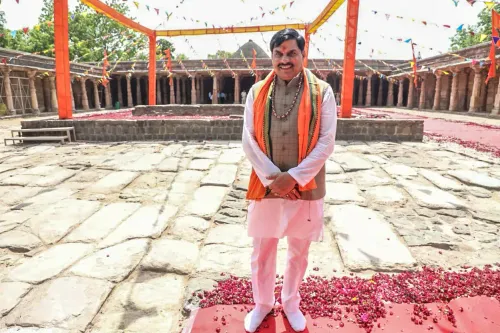
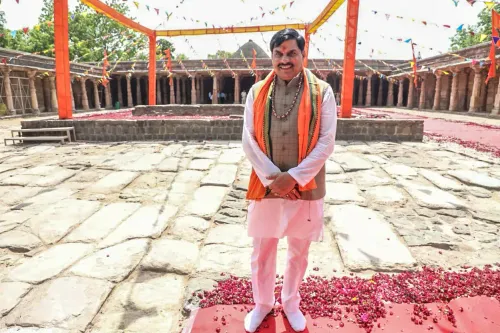
MP CM Mohan Yadav visited Bhojshala on 25 May and announced a Saraswati Lok temple corridor and a Raja Bhoj Research Institute in Dhar .
The Indore bench of the MP High Court on 15 May recognised Bhojshala as a temple dedicated to Goddess Vagdevi , altering the site's administrative status.
The ASI revised its 2003 shared-access arrangement , allowing Hindus to pray at the site daily instead of only on Tuesdays.
The Muslim community has challenged the High Court order in the Supreme Court ; the site remains under tight police security.
The Centre and the Madhya Pradesh government are jointly accelerating efforts to reclaim the Vagdevi idol from a London museum and redevelop the historic Bhojshala complex in Dhar into a major religious and cultural landmark, following a landmark Madhya Pradesh High Court ruling on 15 May that recognised the site as a temple dedicated to Goddess Vagdevi (Saraswati).
Key Developments
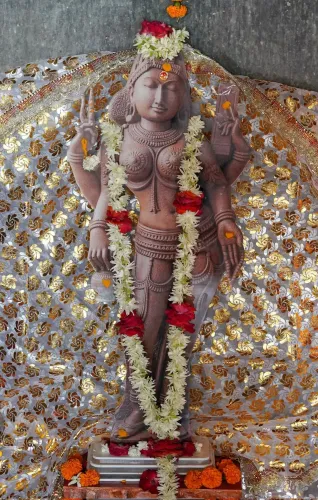
Dhar-Mhow MP and Union Minister of State Savitri Thakur met Union Tourism and Culture Minister Gajendra Singh Shekhawat in New Delhi on Wednesday, 28 May, formally urging the Centre to facilitate the repatriation of the Vagdevi idol currently housed in a London museum, for reinstallation at Bhojshala. Shekhawat confirmed he would visit Dhar in June to review proposals for developing the site into a religious and cultural tourism hub.
MP Chief Minister's Announcements
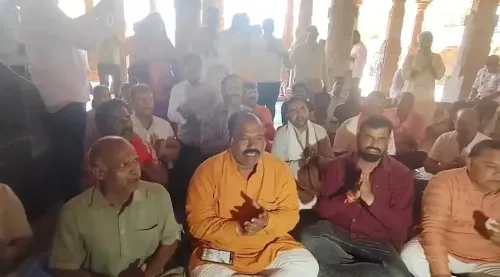
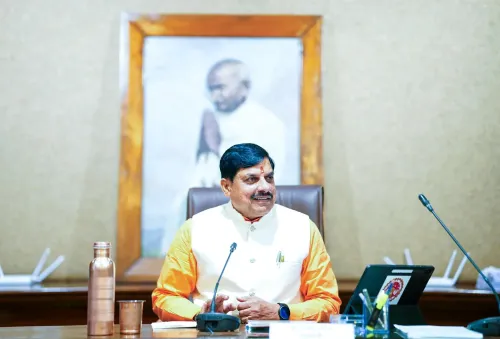
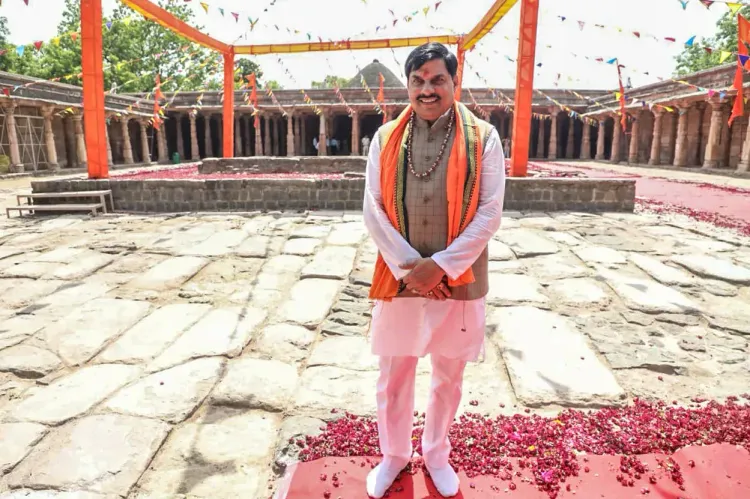
On Monday, 25 May, Madhya Pradesh Chief Minister Mohan Yadav visited Bhojshala and, after offering prayers, announced two flagship projects: a grand 'Saraswati Lok' temple corridor and a Raja Bhoj Research Institute in Dhar. The twin announcements signal that the state government intends to position Bhojshala as a centrepiece of cultural tourism in the region.
The High Court Ruling and Its Fallout
The renewed political momentum flows directly from the Indore bench of the Madhya Pradesh High Court, which on 15 May recognised Bhojshala as a temple dedicated to Vagdevi, altering the administrative framework that had governed the disputed site for over two decades. Following the verdict, the Archaeological Survey of India (ASI) revised its 2003 arrangement and permitted Hindus to offer prayers at the temple premises daily — a significant departure from the earlier schedule, under which Hindus could worship every Tuesday and Muslims could offer namaz every Friday at the Kamal Maula Mosque within the complex.
Legal Challenge and Security
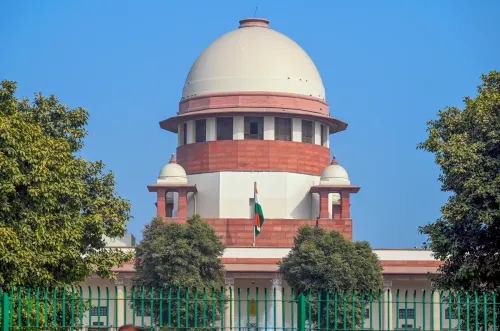
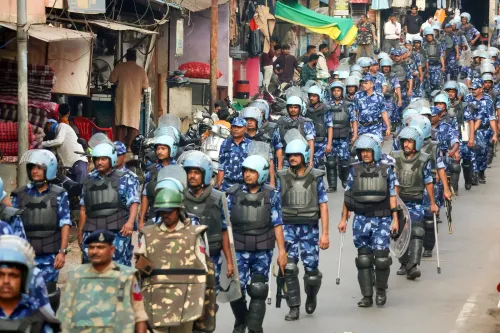
The Muslim community expressed dissatisfaction with the High Court order and filed petitions before the Supreme Court challenging the ruling. The Bhojshala premises remain under tight security by local police to prevent communal tension between the two communities. This comes amid a broader national conversation around disputed religious sites, making the legal trajectory of this case closely watched.
Historical Context
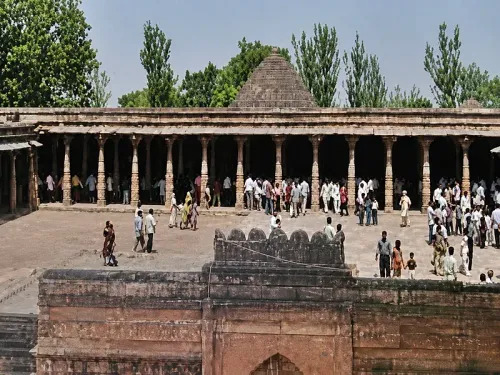
The Bhojshala complex, believed to date back to the reign of the legendary Raja Bhoj of the Paramara dynasty, has been at the centre of competing Hindu and Muslim claims for decades. The site's dual identity — revered by Hindus as a Saraswati temple and used by Muslims as the Kamal Maula Mosque — made the 2003 ASI shared-access arrangement a fragile compromise. The High Court's May verdict has effectively unsettled that equilibrium, triggering swift action from both the state and the Centre. Whether the Supreme Court upholds or modifies the ruling will determine the site's long-term status.
Point of View
The state and Centre move swiftly to consolidate the shift, and the opposing community heads to the Supreme Court. What distinguishes this episode is the international dimension — a formal government push to repatriate an idol from London adds diplomatic complexity that goes well beyond the local access dispute. The ASI's rapid revision of its own 2003 order, within days of the High Court ruling, also raises questions about institutional independence. The Supreme Court's handling of the challenge will be the real test of whether the judiciary can hold the line between religious rights and communal stability in an increasingly charged environment.
NationPress
11 Oct 2026
Frequently Asked Questions
What is the Bhojshala complex and why is it disputed?
Bhojshala is a centuries-old complex in Dhar, Madhya Pradesh, revered by Hindus as a temple of Goddess Saraswati (Vagdevi) and used by Muslims as the Kamal Maula Mosque. Since 2003, the ASI had enforced a shared-access arrangement allowing Hindu worship on Tuesdays and Muslim namaz on Fridays, but the May 2025 High Court ruling has altered that framework.
What did the Madhya Pradesh High Court rule on Bhojshala?
The Indore bench of the Madhya Pradesh High Court on 15 May 2025 recognised Bhojshala as a temple dedicated to Vagdevi, or Goddess Saraswati. The ruling prompted the ASI to revise its 2003 order and allow Hindus to offer prayers at the site daily.
What is the Vagdevi idol and where is it currently?
The Vagdevi idol is a revered deity associated with Bhojshala, currently housed in a museum in London. Union MoS Savitri Thakur has formally urged the Centre to facilitate its repatriation for reinstallation at Bhojshala.
What new projects have been announced for Bhojshala?
MP Chief Minister Mohan Yadav announced two projects on 25 May 2025: a grand Saraswati Lok temple corridor and a Raja Bhoj Research Institute in Dhar. Union Culture Minister Gajendra Singh Shekhawat is also scheduled to visit Dhar in June to review cultural tourism development plans for the site.
Has the High Court ruling been challenged?
Yes. The Muslim community has filed petitions before the Supreme Court challenging the Madhya Pradesh High Court order. The Bhojshala premises are under tight police security to prevent communal tension while the legal process continues.